

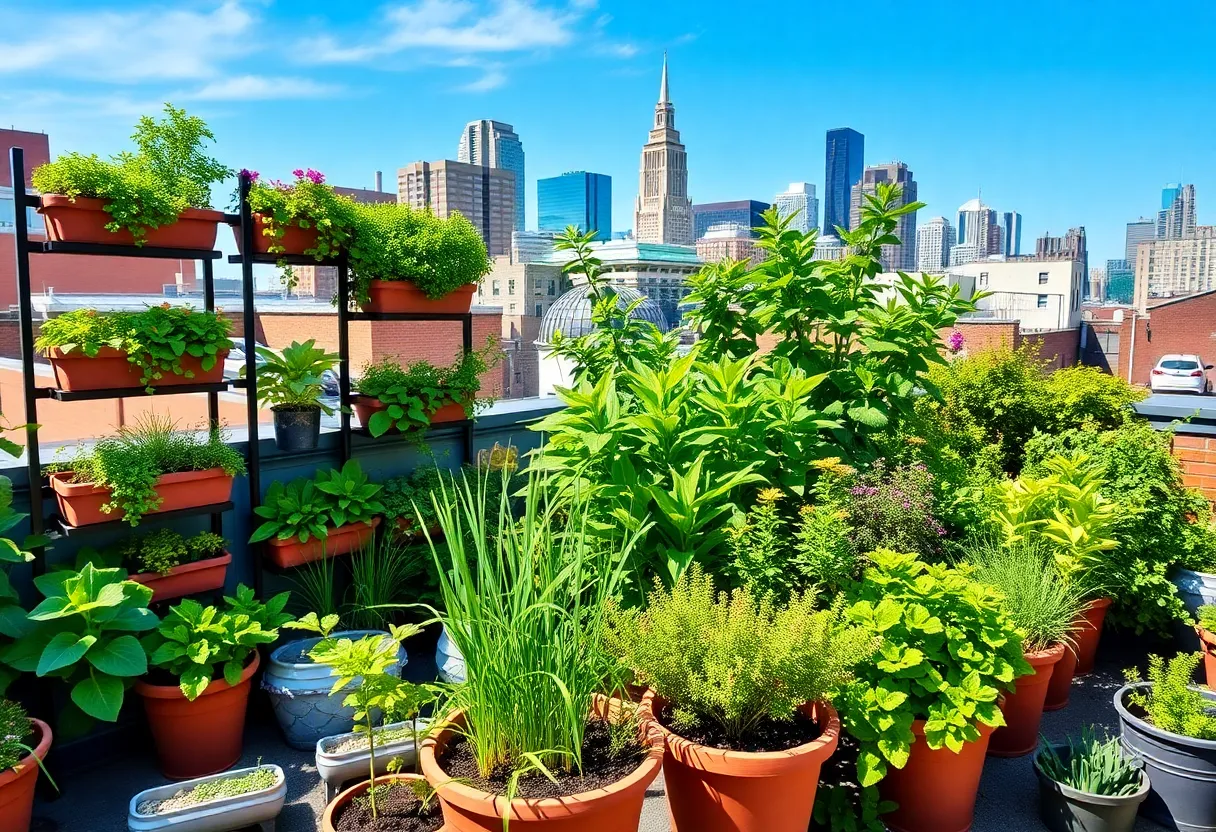
10 Creative Ways to Maximize Your Philadelphia Garden Space for Urban Living
Introduction
Urban living in Philadelphia introduces distinct challenges for those eager to cultivate gardens within confined spaces. Limited ground area, inconsistent sunlight exposure, and resource management necessitate innovative solutions to create thriving green environments. This guide presents ten effective strategies that leverage creativity and practicality to transform even a modest urban garden into a productive oasis. Whether you’re working with a small balcony, a narrow backyard, or a rooftop terrace, these approaches will help you optimize every inch for beauty, function, and sustainability.
1. Embrace Vertical Gardening
Utilize Vertical Structures
Vertical gardening fundamentally conserves horizontal space by encouraging plants to grow upwards. Installing trellises along walls or fences provides support for climbing varieties like tomatoes, cucumbers, and pole beans, maximizing growth without encroaching on ground area. Wall-mounted planters and hanging baskets can be positioned at various heights, drawing attention to the vertical plane and diversifying your garden’s layout.
Incorporate Vertical Planters
Vertical planters, including pocket-style wall planters and multi-tiered shelves, enable dense planting on vertical surfaces. These are especially effective for herbs, salad greens, and small flowers, facilitating easy access and efficient use of limited space. Properly anchored, they add depth and lushness to urban gardens, enriching aesthetic appeal while conserving precious ground room.
2. Opt for Container Gardening
Choose Appropriate Containers
Container gardening offers unmatched flexibility and mobility in confined environments. Select containers crafted from materials like ceramic, plastic, or metal, ensuring they include drainage holes to prevent waterlogging. Size matters: larger pots support bigger plants, whereas compact containers suit herbs or succulents. The portability of containers allows you to reposition plants as seasonal sunlight or shade patterns change.
Implement Mobile Plantings
Using wheeled planters or plant caddies provides the ability to rotate plants daily or seasonally, optimizing light exposure and protecting delicate flora from environmental stressors. Mobile gardens are particularly valuable in urban settings where sunlight availability may vary throughout the day.
3. Develop a Rooftop Garden
Assess Structural Integrity
Before initiating a rooftop garden, it’s imperative to consult structural engineers to evaluate the building’s load-bearing capacity. Proper assessment ensures safety when adding soil, planters, and water features. Once cleared, reinforced flooring and supports can handle the weight, creating a safe foundation for your rooftop sanctuary.
Design a Functional Layout
Creating a balanced layout involves raised beds, container plants, and benches that facilitate accessible maintenance. Incorporate seating areas and shaded zones to transform the rooftop into a relaxing retreat. Use lightweight, durable materials to enhance longevity and ease of movement, all while capturing panoramic city views.
4. Implement Hanging Planters
Maximize Vertical Space
Hanging planters extend gardening into the vertical dimension, ideal for small balconies and narrow patios. Suspend planters from ceilings, railing brackets, or wall hooks to grow trailing flowering plants such as petunias or ivy, and even small strawberry varieties. This strategy recovers ground space for pathways or seating.
Choose Lightweight Materials
Prioritize lightweight, weather-resistant planters such as resin or high-grade plastics. These materials are easier to handle for installation and maintenance, reducing strain on support structures and minimizing safety concerns during high winds or heavy rain.
5. Create a Pallet Garden
Repurpose Wooden Pallets
Wooden pallets serve as excellent vertical garden structures. Leaned against walls or fences, they can be transformed by filling the gaps with soil and plant roots. Their rustic aesthetic fits seamlessly into urban settings, while their cost-effectiveness makes them accessible for DIY enthusiasts.
Plant Selection
Opt for low-maintenance, shallow-rooted plants such as succulents, herbs, or compact flowers. Secure the pallet to prevent tipping and ensure stability. This method maximizes creative reuse while providing a lush backdrop for your urban landscape.
6. Establish a Community Garden Plot
Engage with Local Initiatives
Participating in local community gardens allows residents to access shared land, tools, and knowledge. Collaborate with neighbors in designated plots to grow vegetables, herbs, or flowers, fostering a sense of community involvement and shared responsibility.
Benefits of Community Gardening
Community gardens promote social interaction, sustainable practices, and enhance urban aesthetics. They improve local food security and offer educational opportunities for all ages. Engaging in collective gardening also alleviates space constraints by pooling resources and efforts.
7. Grow Shade-Tolerant Plants
Select Appropriate Varieties
In shaded conditions common in narrow or tall urban environments, select shade-loving plants like ferns, hostas, and certain hydrangeas. These thrive where sunlight penetration is limited, ensuring greenery persists without excessive light.
Layer Plantings
Create visual depth by layering taller shade plants behind groundcover-type foliage. Mix textures and leaf colors for aesthetic variety, effectively maximizing visual interest and spatial economy in low-light zones.
8. Incorporate Edible Landscaping
Integrate Fruits and Vegetables
Combine ornamental plants with edible species like dwarf fruit trees, berry bushes, and compact vegetable patches. This technique produces fresh, healthy food directly within your landscape while enhancing visual appeal.
Consider Maintenance Needs
Ensure selected edible plants match your maintenance capacity. Regular tasks such as pruning, harvesting, and pest management are necessary to sustain productivity and prevent pest infestations that could compromise your entire garden.
9. Utilize Multi-Functional Furniture
Incorporate Storage Solutions
Select garden furniture that doubles as storage units, like benches with hidden compartments or tables with built-in planters. This dual-functionality optimizes limited space, reducing clutter and providing additional sites for plant cultivation.
Opt for Foldable Designs
Foldable, stackable furniture enables versatile use of space—easily cleared when hosting gatherings or converting area into additional garden beds. This adaptability is crucial for multi-use urban gardens.
10. Implement Smart Irrigation Systems
Automate Watering
Install drip irrigation systems or self-watering planters that ensure consistent moisture levels without manual intervention. These systems reduce water waste, improve plant health, and save time.
Monitor Water Usage
Utilize timers and moisture sensors to prevent overwatering or underwatering. Precise water management is vital for sustainable gardening and maintaining healthy plant growth in a constrained environment.
Conclusion
| Strategy | Key Features | Ideal For |
|---|---|---|
| Vertical Gardening | Space-saving, promotes climbing, enhances visual depth | Narrow yards, balconies, fences |
| Container Gardening | Mobility, versatility, adaptable to light changes | Small patios, rooftop terraces |
| Rooftop Gardens | Panoramic views, functional and aesthetic space | Accessible roofs with structural capacity |
| Hanging Planters | Maximized vertical area, lightweight | Balconies, small patios |
| Pallet Gardens | Cost-effective, rustic charm, DIY friendly | Bare walls, fences, small spaces |
| Community Gardens | Shared resources, social engagement | Urban neighborhoods with accessible land |
| Shade-Tolerant Plants | Thrives in low light, layered planting | Shaded corners, narrow alleyways |
| Edible Landscaping | Dual-purpose, aesthetic and functional | Yards aiming for food production |
| Multi-Functional Furniture | Space maximization, storage, flexibility | Small patios, rooftops |
| Smart Irrigation | Water efficiency, automation | All small garden types |
FAQs
What is the most space-efficient gardening method for small urban areas?
Vertical gardening and container gardening are the most space-efficient approaches, allowing multiple plants to grow vertically or in small pots, maximizing limited space.
How can I ensure my rooftop garden is safe and structurally sound?
Consult with a structural engineer to assess load capacity. Use lightweight materials and reinforce supports to safely accommodate soil, water, and plants.
What are the best plants for shaded urban garden spots?
Opt for shade-tolerant varieties such as ferns, hostas, and hydrangeas. Layering different heights enhances visual interest while maximizing shade areas.
How can I conserve water while maintaining my urban garden?
Implement smart irrigation systems with timers and moisture sensors to optimize watering schedules and reduce water waste.
What are the benefits of community gardens in urban areas?
Community gardens foster social connections, promote sustainable practices, and support local food security by pooling resources and effort with neighbors.