
10 Trendy Landscaping Ideas to Refresh Your Philadelphia Garden This Year
Updating your garden in Philadelphia offers opportunities to combine aesthetic appeal with ecological responsibility. As we progress through 2026, numerous innovative landscaping trends are shaping the way gardens are designed and maintained. This article provides a comprehensive overview of ten trendy landscaping ideas suited for Philadelphia’s unique climate and urban environment.
1. Embrace Rewilding for Biodiversity
Rewilding is a strategic approach that involves creating areas within your property where natural processes and native species are prioritized over intensive management. In Philadelphia, this means allowing sections of your yard to return to a more native state, encouraging the resurgence of species such as milkweed, bee balm, and wild asters. This method significantly enhances biodiversity and creates habitats for pollinators like bees, butterflies, and hummingbirds.
Advantages include reduced maintenance needs, improved air and soil quality, and support for local ecosystems. Rewilded zones can be designed with native grasses and shrubs, creating a seamless transition between cultivated and natural areas, fostering ecological resilience.
2. Implement Gravel Gardening for Water Conservation
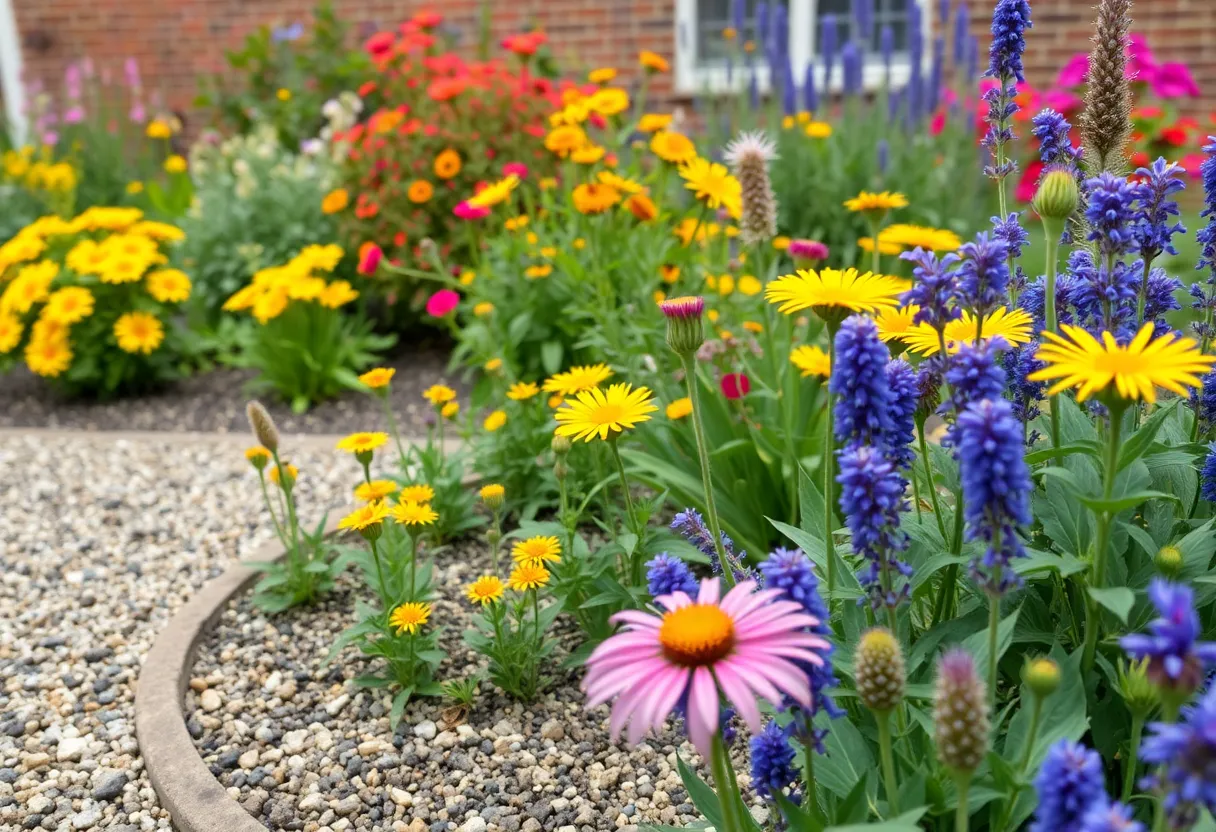
Gravel gardening aligns with *xeriscaping* principles, which focus on reducing water use and minimizing maintenance. Utilizing gravel as a primary ground cover, combined with drought-tolerant native plants, results in a sustainable, low-maintenance landscape.
This method is particularly effective in Philadelphia’s changing climate, where water conservation becomes critical. Gravel mulches suppress weeds, facilitate *stormwater infiltration*, and provide a sleek, modern aesthetic. Pairing gravel with native sedums, succulents, or ornamental grasses amplifies visual variety while supporting a sustainable landscape.
3. Grow Your Own Cut Flowers
Designating a section of your garden for cut flowers ensures fresh, seasonal blooms year-round. Select species like dahlias, zinnias, and heirloom annuals suited to Philadelphia’s climate. Establishing a cut flower garden encourages biodiversity and offers continuous visual interest.
Growing your own flowers reduces reliance on store-bought bouquets, cuts transportation emissions, and provides vital resources for pollinating insects. This garden type can be integrated into vegetable plots or arranged as a dedicated flower garden, with attention to bloom succession for ongoing color and texture.
4. Adopt Maximalist Garden Designs
Maximalism contradicts minimalist trends by embracing bold colors, layered textures, and diverse plantings. This approach produces a vibrant, dynamic outdoor space. In Philadelphia, it means combining ornamental trees, perennials, and annuals in creative, eclectic arrangements.
Maximalist gardens often feature contrasting shapes, vibrant palettes, and varied heights, creating visual complexity. This style can be personalized with decorative containers, artful plant groupings, and playful pathways, resulting in a living artwork that transforms the yard into an immersive experience.
5. Integrate Sculptural Hardscapes
Hardscapes play a critical role in shaping the visual and functional elements of your garden. Incorporating sculptural features such as curved walkways, layered patios, and built-in fire pits adds artistic appeal.
These features serve as focal points and can define different zones within the outdoor space. Materials like natural stone, stamped concrete, or metal sculptures complement Philadelphia’s architectural heritage while providing durability and low-maintenance elements.
6. Establish Pollinator-Friendly Habitats
Supporting pollinator populations is vital for sustainable gardening. Planting native species like butterfly milkweed, goldenrod, and purple coneflowers attracts bees, butterflies, and other beneficial insects.
Creating pollinator habitats includes installing bee hotels, creating shallow water sources, and providing diversity in plant types and bloom times. These measures contribute significantly to *urban biodiversity* and the health of local plant life.
7. Utilize Water-Wise Landscaping Techniques
Water management is increasingly critical in urban landscapes. Techniques such as rain gardens — bermed basins that capture runoff — and the use of drought-tolerant plants help conserve water while managing stormwater runoff effectively.
In Philadelphia, where impervious surfaces are prevalent, these strategies help reduce flooding and improve water quality. Efficient irrigation practices, like drip systems with moisture sensors, further optimize water use in the landscape.
8. Incorporate Native Plants for Year-Round Interest
Native plants are adapted to Philadelphia’s climate and soil, ensuring resilience and minimal maintenance. Species like dogwood, serviceberry, and hydrangeas provide seasonal interest, with vibrant blooms in spring, lush foliage in summer, and striking colors in fall.
Designing a garden around native flora promises sustained visual appeal through all seasons while supporting local wildlife. Layered planting schemes enhance ecological diversity and create a multi-seasonal visual tapestry.
9. Create Courtyard Gardens for Private Retreats
Urban spaces often benefit from enclosed courtyard gardens that serve as private retreats. Utilizing low stone walls, lush plantings, and water features, these gardens create a calming environment shielded from city noise and traffic.
This space can be tailored with seating, shade structures, and decorative lighting to maximize comfort. Courtyard gardens offer a secluded escape, ideal for relaxation, meditation, or small gatherings.
10. Enhance Outdoor Spaces with Layered Lighting
Effective lighting extends the usability of your outdoor space into the evening hours. Layered lighting, which includes landscape uplighting, path lights, and accent lighting, highlights garden features while creating a welcoming atmosphere.
In Philadelphia’s climate, weatherproof fixtures are essential. Well-directed lighting can showcase sculptures, water features, and plant textures, adding ambiance and safety after sunset.
Key Takeaways
- Rewilding fosters ecological resilience and reduces maintenance.
- Water-smart strategies like gravel gardens and rain gardens support urban sustainability.
- Native plantings ensure year-round interest and wildlife support.
- Hardscape features add artistic elevation and functional zones.
- Lighting and private retreats extend usability and create cozy outdoor environments.
Frequently Asked Questions
What are the benefits of rewilding in Philadelphia gardens?
Rewilding promotes biodiversity, reduces maintenance, and supports local ecosystems by restoring native habitats. It also enhances ecological resilience amid climate shifts.
How does gravel gardening contribute to water conservation?
Gravel gardening reduces water use by suppressing weeds, increasing water infiltration, and supporting drought-tolerant native plants. It also minimizes evapotranspiration and runoff.
Which native plants are ideal for year-round interest in Philadelphia?
Species such as dogwood, serviceberry, hydrangeas, and Virginia sweetspire offer blooms or foliage at different times, ensuring visual interest throughout all seasons.
What are effective ways to incorporate sculpture into a garden design?
Sculptural hardscapes can include curved walkways, layered patios, or artistic metal and stone pieces. Focus on integrating them as focal points that complement plantings and architecture.
How can lighting enhance a Philadelphia garden?
Layered lighting highlights key features, creates ambiance, and extends usable hours. Use weatherproof fixtures for safety and durability, ensuring the space remains inviting after dark.
Key Features of Trendy Philadelphia Landscaping
| Trend | Core Benefit | Implementation Priority |
|---|---|---|
| Rewilding | Enhances biodiversity; reduces maintenance | High |
| Water Conservation | Saves water; supports urban sustainability | High |
| Native Plantings | Year-round visual interest; wildlife habitat | High |
| Sculptural Hardscapes | Artistic focal points; functional zones | Medium |
| Lighting & Privacy | Extended usability; ambient environment | Medium |

Author: STAFF HERE PHILADELPHIA WRITER
The PHILADELPHIA STAFF WRITER represents the experienced team at HEREPhiladelphia.com, your go-to source for actionable local news and information in Philadelphia, Philadelphia County, and beyond. Specializing in "news you can use," we cover essential topics like product reviews for personal and business needs, local business directories, politics, real estate trends, neighborhood insights, and state news affecting the area—with deep expertise drawn from years of dedicated reporting and strong community input, including local press releases and business updates. We deliver top reporting on high-value events such as Mummers Parade, Philadelphia Flower Show, and Thanksgiving Day Parade. Our coverage extends to key organizations like the Greater Philadelphia Chamber of Commerce and United Way of Greater Philadelphia, plus leading businesses in telecommunications, food services, and healthcare that power the local economy such as Comcast, Aramark, and Children's Hospital of Philadelphia. As part of the broader HERE network, we provide comprehensive, credible insights into Pennsylvania's dynamic landscape.