
Philadelphia, January 23, 2026
The National Park Service has removed a slavery exhibit from the President’s House Site in Philadelphia, sparking significant backlash and legal action from the city. The exhibit, which honored the nine individuals enslaved by George Washington, was taken down following an executive order from President Trump. Local organizations and city officials argue that this move threatens the preservation of critical historical narratives and undermines civic engagement.
Philadelphia, Pennsylvania
National Park Service’s Slavery Exhibit Removed At President’s House
The removal of the slavery exhibit has sparked debates on history preservation.
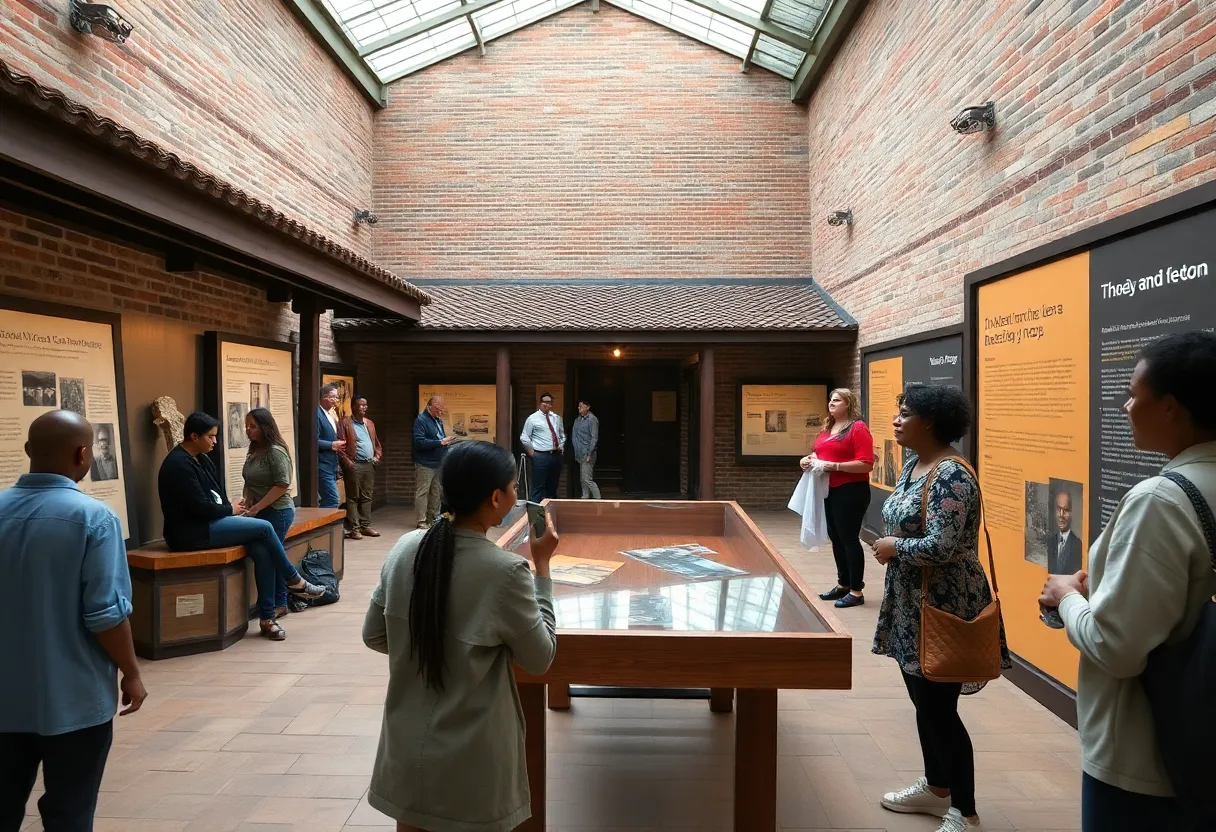
The National Park Service (NPS) recently dismantled a slavery exhibit from the President’s House Site located in Independence National Historical Park, Philadelphia. This move is in accordance with President Donald Trump’s executive order asking federal agencies to review and potentially remove interpretive materials that could be seen as unfairly disparaging towards Americans, either past or present. The exhibit, known as “President’s House: Freedom and Slavery in the Making of a New Nation,” was established in 2010 to honor the nine individuals enslaved by President George Washington during his time in Philadelphia.
The removal process began on January 22, 2026, when NPS staff started taking down the informational panels and displays. Witnesses reported the materials being loaded into a Park Service vehicle, with the dismantling completed by late afternoon. This abrupt action has led to significant backlash from various stakeholders.
Controversy Following Removal
The removal has ignited considerable controversy within the city. Mayor Cherelle L. Parker’s administration has initiated legal action against Interior Secretary Doug Burgum and acting NPS Director Jessica Bowron, arguing that this act violates a cooperative agreement made in 2006 between the city and the federal government. The lawsuit asserts that the exhibits are protected and that their removal took place without appropriate consultation with local authorities.
Local Organizational Outcry
Several local organizations have expressed strong opposition to the removal of the exhibit, arguing that it represents an effort to erase pivotal aspects of American history. One notable organization, the Avenging the Ancestors Coalition, has been vocal about the need to preserve the exhibit as a critical educational resource for understanding the nation’s complex history regarding slavery. Their commitment underscores the role that civic engagement has in shaping public discourse around historical interpretation and education.
Ongoing Discussions on Historical Representation
The President’s House Site continues to serve as a crucial point for discussions about slavery and its representation in the United States. The recent developments not only highlight the ongoing debates concerning historical interpretation but also the significance of preserving public memory in a manner that reflects a balanced consideration of the past. Community involvement and local leadership may play key roles in ensuring that these important narratives are preserved for future generations.
Community Impact and Engagement
This situation emphasizes the need for civic innovation and involvement in local governance. As civic-minded individuals and organizations step up to advocate for historical integrity, it showcases how minimal bureaucracy and proactive initiatives can foster community growth. Stakeholders are encouraged to voice their opinions and participate in the preservation of historical sites, thereby enhancing collective understanding of Philadelphia’s rich and complicated heritage.
Conclusion: Engaging in Civic Heritage
In summary, the removal of the slavery exhibit at the President’s House Site underscores the necessity for careful consideration in how history is represented in public spaces. As this story continues to unfold, it serves as a reminder of the importance of community engagement and leadership in matters of historical significance. Residents are encouraged to stay actively involved and support efforts aimed at preserving Philadelphia’s diverse historical narratives.
Frequently Asked Questions (FAQ)
What is the President’s House Site?
The President’s House Site in Philadelphia commemorates the location where Presidents George Washington and John Adams lived during their terms. It serves as a memorial to the nine individuals enslaved by Washington during his presidency.
Why was the slavery exhibit removed?
The National Park Service removed the exhibit in compliance with President Donald Trump’s executive order directing federal agencies to review and potentially remove interpretive materials that “inappropriately disparage Americans past or living.”
What is the city’s response to the removal?
The city of Philadelphia, through Mayor Cherelle L. Parker’s administration, filed a lawsuit against Interior Secretary Doug Burgum and acting NPS Director Jessica Bowron, arguing that the removal violates a 2006 cooperative agreement between the city and the federal government.
What is the significance of the exhibit?
The exhibit, titled “President’s House: Freedom and Slavery in the Making of a New Nation,” was established in 2010 to honor the nine individuals enslaved by President George Washington during his tenure in Philadelphia. It provided historical context about the lives of the enslaved people associated with the site.
What are local organizations’ views on the removal?
Local organizations, including the Avenging the Ancestors Coalition, have expressed strong opposition to the removal, viewing it as an attempt to erase critical aspects of American history and emphasizing the importance of preserving these exhibits to educate the public about the nation’s complex past.
Key Features of the President’s House Site Exhibit Removal
| Feature | Description |
|---|---|
| Exhibit Title | “President’s House: Freedom and Slavery in the Making of a New Nation” |
| Location | President’s House Site, Independence National Historical Park, Philadelphia |
| Established | 2010 |
| Purpose | To honor the nine individuals enslaved by President George Washington during his presidency in Philadelphia |
| Removal Date | January 22, 2026 |
| Reason for Removal | Compliance with President Donald Trump’s executive order to review and potentially remove interpretive materials that “inappropriately disparage Americans past or living” |
| City’s Response | Filed a lawsuit against Interior Secretary Doug Burgum and acting NPS Director Jessica Bowron, arguing that the removal violates a 2006 cooperative agreement between the city and the federal government |
| Local Organizations’ Response | Expressed strong opposition, viewing the removal as an attempt to erase critical aspects of American history and emphasizing the importance of preserving these exhibits for public education |
Deeper Dive: News & Info About This Topic
HERE Resources
States Challenge Trump’s Tariffs in Court