
10 Essential Tips for First-Time Buyers to Navigate Philadelphia’s Neighborhoods Like a Local
Entering Philadelphia’s real estate market presents an exciting opportunity, but requires careful planning and strategic decision-making. As one of the most historic and culturally diverse cities in the U.S., Philadelphia offers an array of neighborhoods, each with distinct character, amenities, and growth potential. For first-time buyers, understanding these facets is essential for making an informed choice. The following ten tips provide critical guidance to help navigate Philadelphia’s neighborhoods like a seasoned local.
1. Assess Your Financial Readiness Thoroughly
Before initiating your home search, conduct a comprehensive review of your financial situation. Evaluate your credit report and Score, as these factors significantly influence mortgage terms and interest rates. Establish a realistic budget that considers not only the purchase price but also additional costs such as down payments, closing costs, and maintenance expenses. Having a clear financial picture minimizes surprises and avoids overextending. Know your debt-to-income ratio since it impacts your mortgage approval process. A solid financial foundation ensures your homeownership plan aligns with your long-term financial health.
2. Secure Mortgage Pre-Approval Beforehouse Hunting
Obtaining pre-approval from a reputable lender is a crucial step. It affirms your purchasing power, expedites negotiations, and signals to sellers that you are a serious buyer. In Philadelphia’s competitive market, pre-approval can give you a distinct advantage, enabling you to act swiftly when suitable properties emerge. Ensure your pre-approval reflects your target price range and includes an understanding of current mortgage options and interest rates.
3. Conduct In-Depth Research on Philadelphia’s Neighborhoods
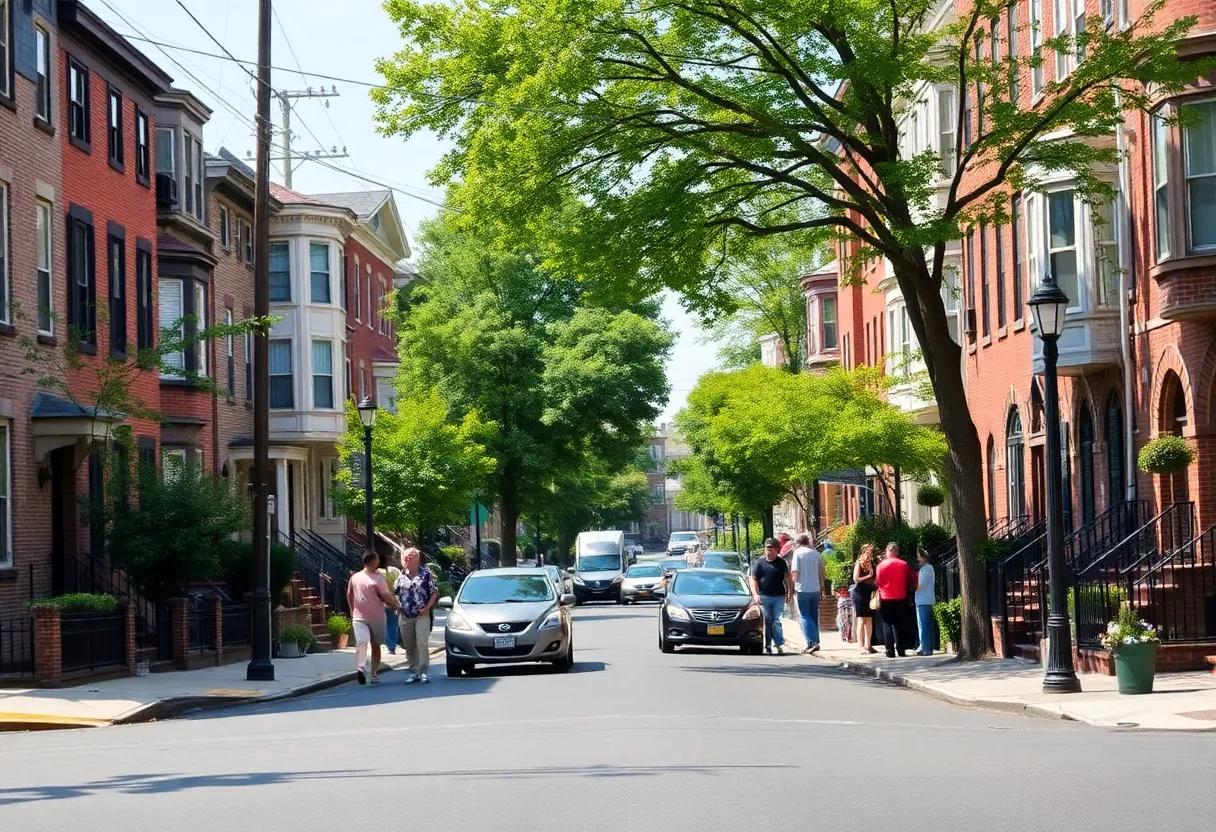
Philadelphia’s neighborhoods are remarkably diverse. Each area offers a different lifestyle, price range, and community vibe. It is essential to understand what each neighborhood provides to determine which aligns with your needs. Consider factors such as public transportation, walkability, local amenities, and cultural scene. Here are some key neighborhoods to explore:
- Fishtown: Recognized for its vibrant arts scene, trendy restaurants, and eclectic housing stock blending historic rowhomes with modern developments. Its close proximity to Center City and public transit options make commuting straightforward.
- Manayunk: Situated along the Schuylkill River, its hilly terrain provides scenic views. The neighborhood’s lively main street hosts boutiques, cafes, and galleries, offering a suburban feel within the city.
- Point Breeze: An up-and-coming area with a mix of historic architecture and new developments. Known for affordability, diversity, and a tight-knit community, it attracts first-time buyers seeking growth potential.
- East Passyunk: Famous for its award-winning food scene and independent shops, it offers a walkable, lively atmosphere. The housing includes renovated rowhomes, condos, and townhouses suitable for various buyers.
- Northern Liberties: Once an industrial zone, now a thriving, arts-centered neighborhood with *modern lofts* and *converted warehouses*. Its urban vibe appeals to those seeking innovative living spaces.
4. Clarify Your Lifestyle Priorities
Identify what qualities are non-negotiable in your ideal neighborhood. Do you prioritize easy access to downtown employment, top-rated schools, active social scene, or peaceful green spaces? Understanding these preferences helps focus your search. For example, commuters should prioritize neighborhoods near major transit hubs, while families may seek areas with parks and quality schools. Aligning your lifestyle with neighborhood features accelerates satisfaction and integration after purchasing.
5. Stay Informed About Market Trends and Data
Regularly monitor market indicators, such as property appreciation rates, inventory levels, and average sale prices in target neighborhoods. Recognize patterns indicating whether a neighborhood is hot or cooling, which affects timing and pricing strategies. A well-informed buyer has a competitive edge and can identify opportunity zones before prices escalate. Local planning initiatives and development proposals also influence future neighborhood growth and value appreciation.
6. Consider Future Growth and Development Plans
Research urban revitalization projects, infrastructure improvements, and private investments underway in potential neighborhoods. Areas with planned or ongoing development tend to appreciate more rapidly and can provide long-term investment security. Check for zoning changes, new commercial projects, or transportation upgrades that can enhance property values and neighborhood vibrancy over time.
7. Engage Directly with the Community
Experience firsthand what neighborhoods feel like by visiting regularly, visiting local events, and talking with residents. Spend time at parks, cafes, and community centers. These interactions provide genuine insights into community dynamics, safety, and the social atmosphere. Engaging with residents also helps gauge whether the neighborhood’s culture and pace of life align with your preferences.
8. Collaborate with a Knowledgeable Local Real Estate Agent
Partnering with an agent specializing in Philadelphia’s neighborhoods is invaluable. They possess market insights, access to exclusive listings, and expertise in neighborhood nuances. A skilled agent can help you refine your criteria, identify properties ahead of the market curve, and facilitate negotiations. Considering the complexity of Philadelphia’s market, local expertise can significantly streamline the process and avoid costly missteps.
9. Evaluate Property Condition and Renovation Potential
When touring properties, assess structural integrity, layout, and space configuration. For properties requiring updates, consider renovation costs and the potential for future modifications. Older homes might offer historic charm but could entail significant repairs, while newer constructions may involve less immediate maintenance. Factoring in these elements prevents overpaying for property deficiencies and ensures the home meets your long-term needs.
10. Understand and Plan for the Home Inspection Process
A comprehensive home inspection is critical before finalizing any purchase. It identifies structural issues, system deficiencies, and code violations that could influence your decision or provide leverage during negotiations. Engage qualified inspectors familiar with Philadelphia’s architecture and common problem areas. Use inspection findings to negotiate repairs or price adjustments and to confirm the soundness of your investment.
Frequently Asked Questions (FAQ)
What are the most affordable neighborhoods for first-time homebuyers in Philadelphia?
Neighborhoods such as Point Breeze and East Passyunk offer more budget-friendly housing options relative to other parts of the city. These areas provide good value for first-time buyers seeking affordability alongside community amenities.
How can I determine if a neighborhood is suitable for my lifestyle?
Spend time in the neighborhood—attend local events, visit parks, and speak with residents. Pay attention to the available amenities, transportation options, and community vibe to see if it aligns with your personal lifestyle preferences.
What should I look for during a home inspection?
Focus on the property’s structural integrity, existing systems (electrical, plumbing, HVAC), and overall condition. Assess the potential costs for repairs or renovations to ensure you’re making a sustainable investment that meets your long-term needs.
Key Features at a Glance
| Aspect | Details |
|---|---|
| Financial Preparation | Assess credit, set budgets, understand buying costs |
| Mortgage Pre-Approval | Strengthen bargaining position, expedite process |
| Neighborhood Selection | Diverse options based on lifestyle, affordability, growth plans |
| Community Engagement | Experience neighborhoods firsthand to gauge vibe |
| Inspection & Renovation | Evaluate property condition; plan for future improvements |