

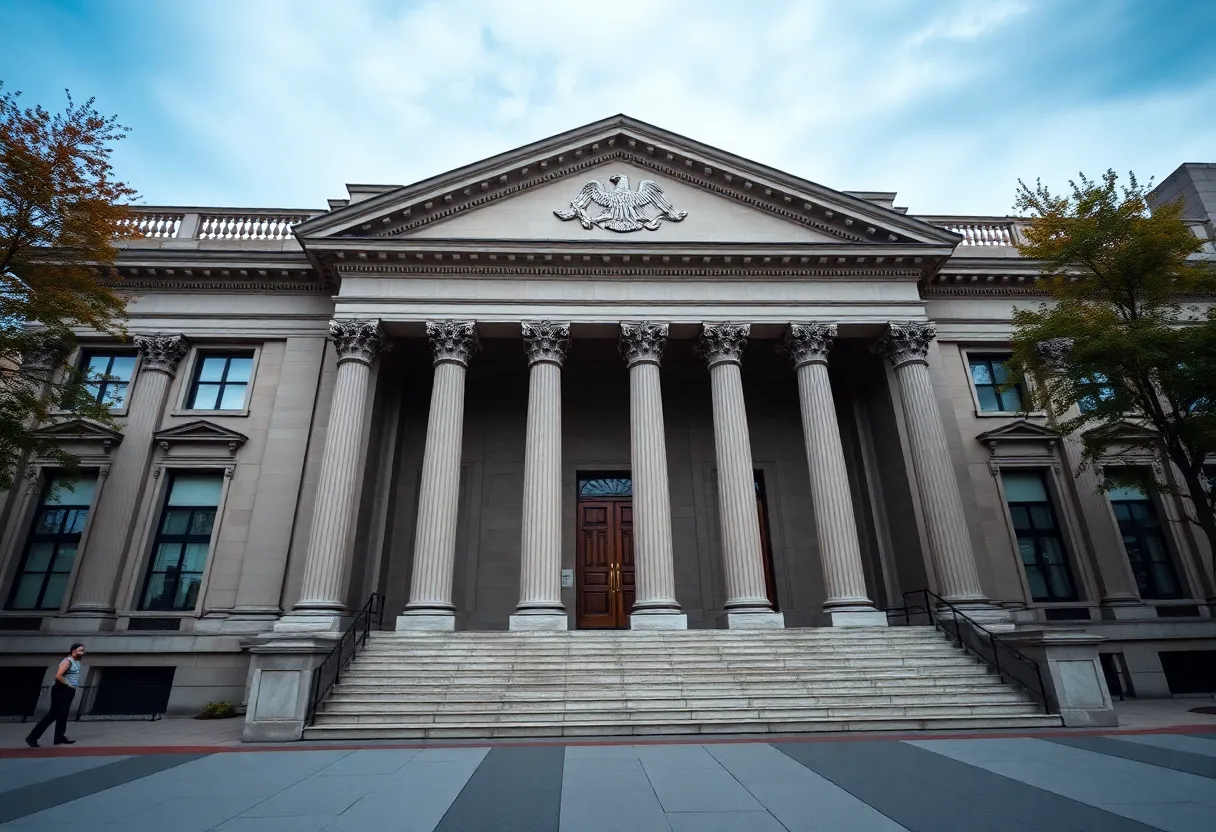
Philadelphia, Pennsylvania, December 10, 2025
Philadelphia has been designated as one of the top ‘Judicial Hellholes’ in the United States, according to a report from the American Tort Reform Foundation. This ranking raises concerns about the management of civil litigation in the city’s courts, highlighting issues such as significant verdicts, expanding liabilities, and the concentration of mass tort cases. The report emphasizes the potential economic impact of these legal trends on residents and businesses in the community, calling attention to the need for reform in the state’s judicial system.
Philadelphia, Pennsylvania
Philadelphia Courts Ranked as America’s Top “Judicial Hellholes”
The impact of high-profile verdicts and expanded liabilities
Philadelphia’s judicial landscape has been designated as one of the nation’s top “Judicial Hellholes,” according to the annual report from the American Tort Reform Foundation. This ranking draws attention to concerns regarding how the city’s courts, particularly the Court of Common Pleas and the Pennsylvania Supreme Court, manage civil litigation. Notably, the findings specifically highlight mass tort cases, revealing a critical discourse surrounding legal fairness and economic repercussions that could shape the future of the community.
Factors contributing to this designation include significant verdicts, an expansion of liability, and the concentration of mass tort cases within Philadelphia. As debates continue, the implications for residents, businesses, and the overall economy take center stage.
High-Value Verdicts Setting Precedents
One of the major highlights in the report is the staggering $2.25 billion verdict awarded in a Roundup lawsuit, which initially marked the largest single-plaintiff award in the nation. Although a judge later reduced this verdict to $404 million, the case has underscored the contentious nature of high-stakes litigation in Philadelphia. Such enormous sums not only create headlines but also inspire discussions regarding the sustainability of such verdicts and their potential impact on businesses operating within the state.
Expansion of Liability in Legal Decisions
The Pennsylvania Supreme Court has made crucial rulings favoring plaintiffs, which has raised concerns about the expansion of liability. Critics argue that these decisions could lead to an uptick in litigation, affecting how companies operate and potentially deterring new businesses from investing in the local economy. Advocates for reform suggest that a careful reevaluation of these legal frameworks could foster a more balanced approach, encouraging both justice for plaintiffs and protection for businesses.
Philadelphia as a Hub for Mass Tort Litigation
Philadelphia has become a prominent venue for mass tort cases, particularly those involving pharmaceutical and medical device manufacturers. The Court of Common Pleas Complex Litigation Center is currently handling thousands of pending cases, including over 7,500 against a single product, Risperdal. The emphasis on mass tort actions may further entrench the city’s “Judicial Hellholes” status and raises questions about the long-term implications for the local judicial system and economic health.
The “Tort Tax” and Its Economic Implications
Critics of the current legal climate point to a significant financial burden on Pennsylvanians, commonly referred to as the “tort tax.” Estimates from a study by the Perryman Group indicate that residents pay an annual cost of over $1,400, which encompasses direct costs related to the tort system, lost economic productivity, and diminished tax revenues. Reform advocates argue that addressing these challenges could unlock over $18 billion in additional economic activity for the state, emphasizing the need for legal changes that promote a thriving business environment.
Calls for Legal Reform and Community Engagement
In light of growing concerns, organizations such as the Pennsylvania Coalition for Civil Justice Reform are advocating for legal reforms that aim to balance the interests of both plaintiffs and defendants more equitably. Voices from various sectors emphasize that a reformed legal system could pave the way for increased business confidence and community development, while still ensuring that individuals harmed by corporate actions receive fair compensation. Promoting an engaged citizenry in discussions about these reforms is essential for community growth and civic innovation.
Conclusion: Engaging with the Issues Ahead
The ongoing debate over tort reform in Philadelphia highlights the tension between ensuring fair access to justice and fostering a favorable environment for economic growth. As the community navigates these complex issues, it remains crucial for residents, local leaders, and businesses to engage in discussions surrounding legal reforms. By supporting initiatives that aim to revitalize the legal landscape, Philadelphians can contribute to a future marked by balanced justice and strengthened economic stability.
Frequently Asked Questions (FAQ)
What is a “Judicial Hellhole”?
A “Judicial Hellhole” is a term used by the American Tort Reform Foundation to describe court jurisdictions that are perceived to favor plaintiffs in civil litigation, often resulting in high-value verdicts and an expansion of liability.
What is the significance of the $2.25 billion Roundup verdict?
The $2.25 billion verdict is notable for being the largest single-plaintiff award in the nation at the time. It was later reduced to $404 million by a judge, with plans for the plaintiff to appeal.
How does the “tort tax” affect Pennsylvania residents?
The “tort tax” refers to the estimated $1,400 annual cost per Pennsylvanian, accounting for direct costs of the tort system, lost economic output, jobs, and tax revenues.
What is the Pennsylvania Coalition for Civil Justice Reform advocating for?
The Pennsylvania Coalition for Civil Justice Reform is calling for changes to the state’s legal framework to balance the interests of plaintiffs and defendants more equitably.
| Feature | Description |
|---|---|
| Judicial Hellholes Ranking | Philadelphia’s Court of Common Pleas and the Pennsylvania Supreme Court are named the nation’s top “Judicial Hellholes.” |
| High-Value Verdicts | The Court of Common Pleas awarded a $2.25 billion verdict in a Roundup lawsuit, the largest single-plaintiff award in the nation at the time. |
| Expansion of Liability | The Pennsylvania Supreme Court has issued decisions favoring plaintiffs and introducing new theories of liability, potentially leading to increased litigation. |
| Mass Tort Litigation | Philadelphia has become a focal point for mass tort cases, particularly those involving pharmaceutical and medical device manufacturers. |
| Tort Tax Impact | Pennsylvanians pay an estimated “tort tax” of over $1,400 annually, encompassing direct costs of the tort system, lost economic output, jobs, and tax revenues. |
| Advocacy for Legal Reform | Organizations like the Pennsylvania Coalition for Civil Justice Reform are calling for changes to the state’s legal framework to balance the interests of plaintiffs and defendants more equitably. |
Deeper Dive: News & Info About This Topic
HERE Resources