
News Summary
Pennsylvania’s waterways are facing significant pollution challenges from long-standing coal mining impacts and fracking waste management issues. With over 5,500 miles of streams affected by abandoned mine drainage and millions of tons of fracking waste containing radioactive materials, the state’s environmental health is at risk. Recent studies highlight tracking discrepancies in waste disposal, raising concerns about unregulated landfill practices and overall water quality. Efforts are being made to restore water bodies and reduce pollution, but many challenges remain in meeting health and safety standards.
Harrisburg, Pennsylvania
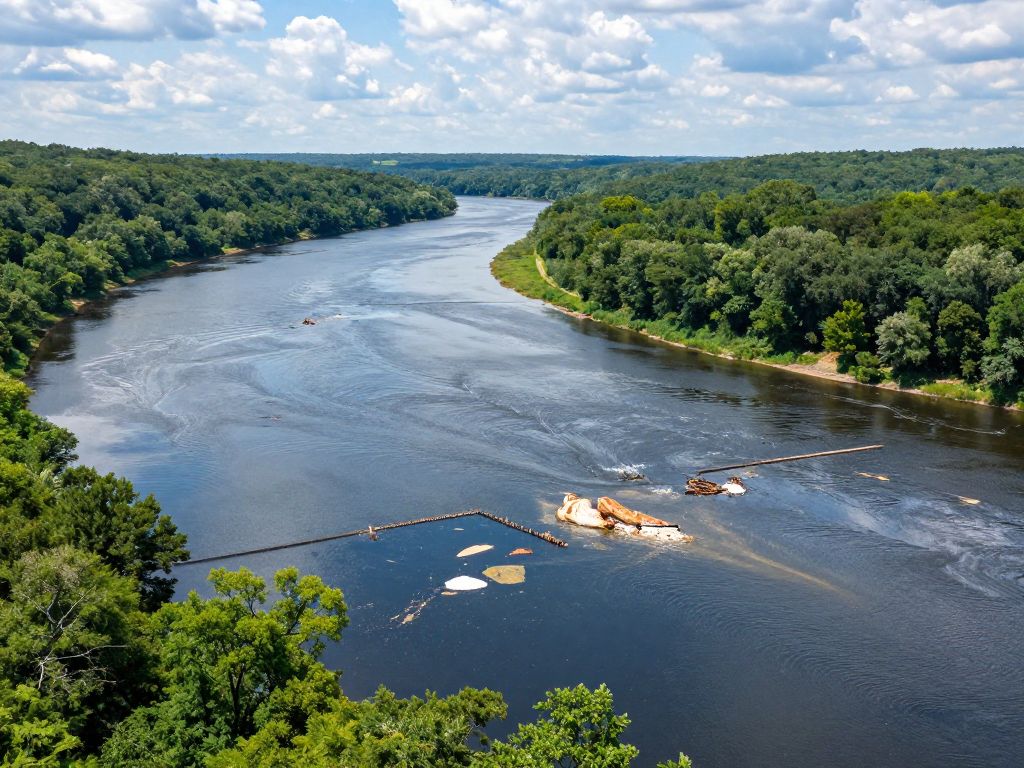
Pennsylvania’s waterways are currently facing a significant and complex environmental threat from a combination of long-standing coal mining pollution and the increasing challenge of managing millions of tons of waste generated by hydraulic fracturing, commonly known as fracking. This situation creates what experts describe as a “toxic cocktail” that impacts the state’s natural resources. Recent reporting has underscored the persistent difficulties in accurately tracking and regulating this waste, despite past commitments to improve oversight, making it a critical statewide environmental concern.
Deep Roots of Pollution: Coal’s Enduring Legacy
For decades, Pennsylvania has grappled with the environmental aftermath of its extensive coal mining history. A substantial portion of the state’s streams, over 5,500 miles, remain affected by abandoned mine drainage (AMD). This acidic pollution, which forms when water infiltrates underground mine systems and reacts with heavy metals, is identified as the second leading cause of stream pollution in Pennsylvania. These abandoned mines, numbering approximately 5,000, represent about one-third of the nation’s total abandoned mine lands. The contaminants released through AMD can include toxic metals like lead and mercury, which pose risks to drinking water, aquatic life, and overall ecosystem health. Efforts to address this legacy pollution have been considerable, with over $1.5 billion invested in cleaning up abandoned mine lands across Pennsylvania since 1980.
Fracking’s New Challenge: Millions of Tons of Waste
Adding to the state’s environmental burdens is the ongoing surge in hydraulic fracturing, which has seen natural gas production increase 37-fold in Pennsylvania since 2008. This boom generates millions of tons of waste, much of which is radioactive. The fracking waste, including produced water and drilling cuttings, contains naturally occurring radioactive materials such as radium, uranium, and thorium, along with other harmful substances like arsenic, lead, and benzene. Recent research from the University of Pittsburgh indicates that fracking wastewater from the Marcellus formation is significantly more radioactive than previously understood. Studies found median radium values that were four times higher than levels reported by the U.S. Geological Survey in 2011 and twice as high as the Pennsylvania Department of Environmental Protection’s (DEP) findings in 2016. Between 2017 and 2024, oil and gas operators in Pennsylvania reported producing nearly 8.8 million tons of solid waste, with approximately 6.3 million tons disposed of in state landfills.
Tracking Deficiencies and Regulatory Gaps
A significant challenge lies in the inconsistent tracking of this waste. An analysis of state records from 2017 to 2024 revealed discrepancies of almost 1.4 million tons between the waste volumes reported by landfills and what operators claimed to have sent. This suggests that a portion of the waste, particularly in southwestern Pennsylvania, might originate from neighboring states like Ohio and West Virginia, contributing to the unaccounted volume. At least 22 landfills across Pennsylvania currently accept oil and gas waste, some from out-of-state sources, often with less public scrutiny. The liquid byproduct generated when rainwater passes through landfill waste, known as leachate, is a particular concern. For instance, the Westmoreland Sanitary Landfill produced an average of over 23,000 gallons of leachate daily in the fourth quarter of 2024. Despite a 2021 announcement from then-Governor Tom Wolf that the state would require regular radium testing of landfill leachate, the DEP currently does not mandate such testing. The state’s tracking of oil and gas waste remains fragmented and disorganized. On average, a truck transporting solid fracking waste within Pennsylvania’s borders triggers a radioactivity alarm every day, with 72 percent of this waste ending up in state landfills.
Broader Water Quality Concerns and Remedial Efforts
Beyond the industrial pollutants from coal and fracking, Pennsylvania’s waterways face additional threats. Per- and poly-fluoroalkyl substances (PFAS), often referred to as “forever chemicals,” pose a serious long-term risk, with up to a third of Pennsylvania residents potentially exposed to unsafe levels through tap water or private wells. Lead contamination from aging infrastructure also remains a hidden danger, particularly in urban areas such as Pittsburgh, where small studies have shown elevated lead levels in residents’ blood. Overall, one-third of Pennsylvania’s rivers and streams do not meet water quality standards, with over 85,000 miles failing to meet these benchmarks.
Despite these challenges, efforts are underway to improve water quality. The DEP’s draft 2026 Integrated Water Quality Monitoring and Assessment report highlights the restoration of 67 miles of streams and 7,105 acres of public lakes since 2024. Furthermore, Pennsylvania has received $17.7 million in 2026 Countywide Action Plan grants dedicated to projects within the Chesapeake Bay watershed, expected to significantly reduce nitrogen, phosphorus, and sediment pollution. The state has notably reduced nitrogen pollution by more than ten times in the last five years compared to the previous decade. While Pennsylvania has committed to a 2040 deadline for its Chesapeake Bay cleanup goals, it is currently not on track to meet its interim nutrient and sediment reduction targets.
Frequently Asked Questions (FAQ)
- What is the “toxic cocktail” threatening Pennsylvania’s waterways?
- The “toxic cocktail” threatening Pennsylvania’s waterways refers to a severe and complex environmental threat from a combination of long-standing coal mining pollution and the increasing challenge of managing millions of tons of waste generated by hydraulic fracturing (fracking).
- What are the main sources of pollution contributing to this issue?
- The main sources of pollution are decades of coal mining pollution and millions of tons of waste from hydraulic fracturing.
- What kind of pollutants are found in fracking waste?
- Fracking waste includes toxic and often radioactive byproducts like radium, uranium, thorium, arsenic, lead, and benzene.
- How many miles of streams in Pennsylvania are affected by abandoned mine drainage?
- More than 5,500 miles of streams in Pennsylvania are still affected by abandoned mine drainage.
- Are there issues with tracking fracking waste in Pennsylvania?
- Yes, there are significant issues. An analysis of state records from 2017 to 2024 revealed discrepancies of almost 1.4 million tons between what landfills reported accepting and what operators reported sending, highlighting persistent problems in tracking and managing this waste.
- Is Pennsylvania making progress in cleaning up its waterways?
- Despite ongoing challenges, the Pennsylvania Department of Environmental Protection’s draft 2026 Integrated Water Quality Monitoring and Assessment report notes the restoration of 67 miles of streams and 7,105 acres of public lakes since 2024. The state has also notably reduced nitrogen pollution by more than ten times in the last five years compared to the previous decade.
Key Features of Waterway Pollution in Pennsylvania
| Feature | Details (State-level) |
|---|---|
| Primary Pollution Sources | Decades of coal mining pollution and millions of tons of fracking waste. |
| Miles of Streams Affected by Coal Mining | Over 5,500 miles affected by abandoned mine drainage. |
| Type of Fracking Waste Pollutants | Radioactive materials (radium, uranium, thorium), arsenic, lead, benzene. |
| Fracking Waste Tracking Discrepancy (2017-2024) | Almost 1.4 million tons difference between reported waste sent and received by landfills. |
| Landfills Accepting Fracking Waste | At least 22 landfills in Pennsylvania. |
| Overall Water Quality Status | One-third of rivers and streams do not meet water quality standards (over 85,000 miles failing). |
| Waterway Restoration (Since 2024) | 67 miles of streams and 7,105 acres of public lakes restored. |
| Nitrogen Pollution Reduction | More than ten times reduction in the last five years compared to the previous decade. |
| Chesapeake Bay Cleanup Deadline | 2040 deadline for goals, but not on track for current targets. |
Deeper Dive: News & Info About This Topic
HERE Resources
Revitalizing Your Philadelphia Lawn: A Strategic Approach to Regional Climate and Soil Conditions
Designing a Rain Garden in Philadelphia: An Effective Strategy for Stormwater Management and Environmental Enhancement