

10 Unique Ways to Incorporate Native Plants into Your Philadelphia Garden Design
Designing a garden that aligns with the local environment not only enhances aesthetic appeal but also promotes ecological stability. In Philadelphia, native plants offer numerous benefits, including drought tolerance, low maintenance requirements, and critical habitat support for wildlife. This article explores ten innovative methods to embed native flora into your landscape, fostering a sustainable and vibrant outdoor space.
1. Establish Pollinator-Friendly Habitats
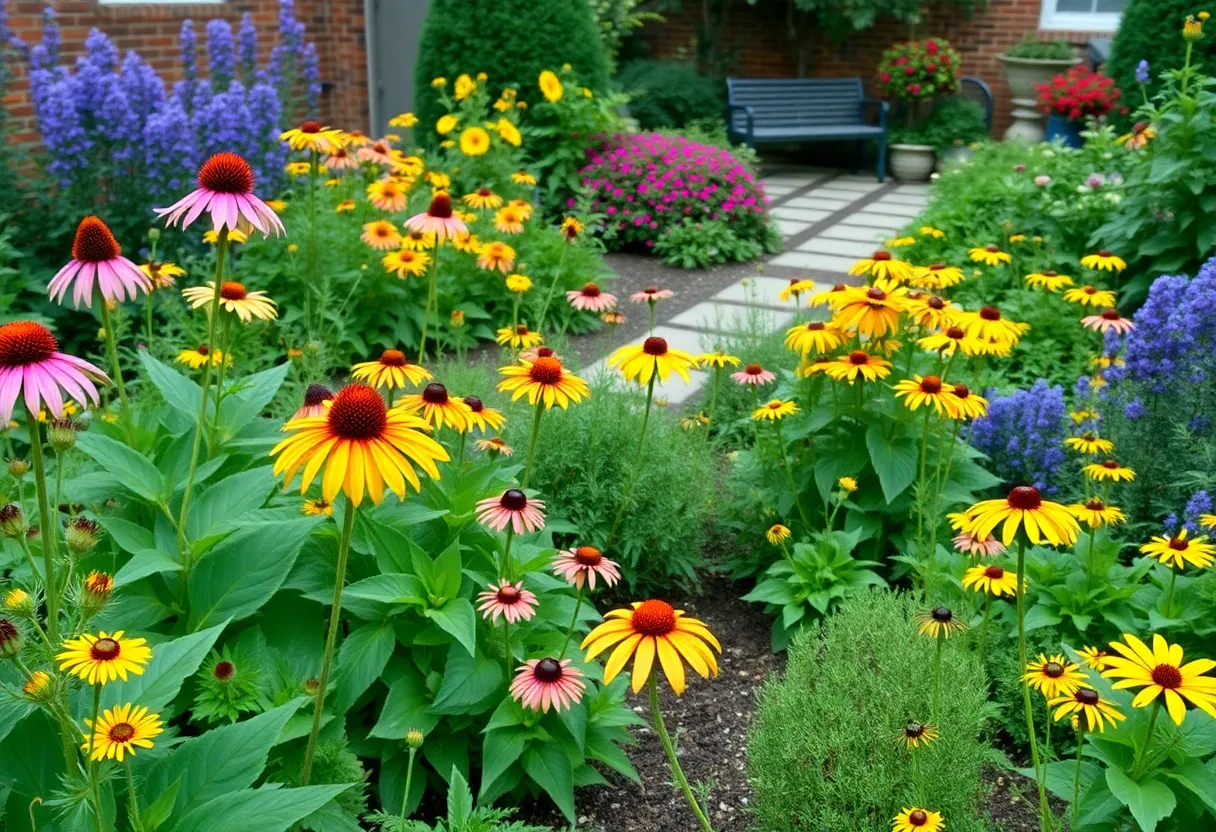
Creating habitats that attract and support pollinators is vital for maintaining biodiversity. *Native species such as Purple Coneflower* (*Echinacea purpurea*) and *Black-Eyed Susan* (*Rudbeckia hirta*) produce abundant nectar and pollen. When planted in clusters, these species form visually striking habitats that serve as vital food sources. This supports essential pollinator populations like bees and butterflies, which are crucial for the health of surrounding ecosystems.
2. Create Natural Privacy Screens
Utilize native shrubs and trees to form lasting, effective privacy barriers. *Eastern Red Cedar* (*Juniperus virginiana*) and *American Holly* (*Ilex opaca*) are evergreen species providing seasonal coverage and shelter. Their dense foliage acts as windbreaks and reduces noise, creating a serene outdoor environment. Incorporating these native plants preserves regional flora and offers shelter for many small wildlife species.
3. Design Low-Maintenance Meadow Gardens
Implementing meadow-inspired landscapes with native grasses and wildflowers reduces upkeep while offering year-round interest. *Little Bluestem* (*Schizachyrium scoparium*) and *Switchgrass* (*Panicum virgatum*) are drought-tolerant options that add texture and movement. Such gardens mimic natural ecosystems, requiring minimal watering and fertilization, aligning with sustainable landscaping principles.
4. Integrate Native Plants with Hardscaping
Blending natural elements with structural features enhances garden aesthetics. *Wild Ginger* (*Asarum canadense*) thrives in shaded crevices, such as between pavers. Similarly, native sedums cascade over retaining walls, softening hard edges. These interweaving elements create harmonious landscapes that are visually appealing and ecologically beneficial.
5. Establish Butterfly and Hummingbird Gardens
Design dedicated zones that attract pollinators with nectar-rich native species. *Bee Balm* (*Monarda didyma*) and *Blazing Star* (*Liatris spicata*) supply vibrant colors and powerful attractants for butterflies and hummingbirds. These gardens serve dual functions of aesthetic enhancement and supporting vital pollinator species.
6. Implement Erosion Control with Native Groundcovers
Prevention of soil erosion using native groundcovers is both practical and environmentally sound. *Pennsylvania Sedge* (*Carex pennsylvanica*) and *Wild Geranium* (*Geranium maculatum*) establish deep root systems that stabilize the soil surface. Such plants are adapted to Philadelphia’s soil and climate, providing a reliable erosion barrier while requiring minimal maintenance.
7. Add Seasonal Interest with Native Perennials
Incorporate plants that offer visual interest across seasons. *Virginia Bluebell* (*Mertensia virginica*) blooms in early spring, signaling the start of the growing season. *Sky Blue Aster* (*Symphyotrichum oolentangiense*) provides late-season color. Diverse flowering times ensure sustained vibrancy and ecological function throughout the year.
8. Utilize Native Ferns for Shaded Areas
Adding native ferns to shaded parts of the garden enhances texture and lushness. *Ostrich Fern* (*Matteuccia struthiopteris*) and *Christmas Fern* (*Polystichum acrostichoides*) are shade-tolerant species that thrive in low-light conditions. Their feathery foliage complements other woodland plants, creating a natural, layered look.
9. Create Rain Gardens with Native Wetland Plants
Effective stormwater management is crucial in urban landscapes. *Rain gardens* planted with native wetland species help absorb excess water. *Swamp Milkweed* (*Asclepias incarnata*) and *Joe-Pye Weed* (*Eutrochium purpureum*) are adapted to wet soils and support pollinators. Rain gardens also reduce runoff and serve as visual focal points.
10. Incorporate Native Vines for Vertical Interest
Add vertical dimension with native vines that cling to structures. *Virginia Creeper* (*Parthenocissus quinquefolia*) and *Creeping Jenny* (*Lysimachia nummularia*) grow rapidly, providing seasonal color and ground coverage. Such vines enhance privacy, shade, and landscape complexity while requiring minimal intervention.
Integrating native plants into your Philadelphia garden offers a multitude of benefits:
- Supports local wildlife and pollination
- Reduces water consumption and maintenance
- Enhances ecological resilience
- Reflects regional natural beauty
- Contributes to soil health and erosion control
Adopting these strategies results in a sustainable, aesthetically pleasing, and ecologically valuable landscape that respects the unique environment of Philadelphia. By prioritizing native flora, you foster a harmonious relationship between your garden and surrounding natural systems.
FAQ
Why should I incorporate native plants into my Philadelphia garden?
Native plants are adapted to local soil and climate, requiring less water and maintenance. They support regional wildlife, promote biodiversity, and help maintain ecological balance.
What native plants are best for attracting pollinators in Philadelphia?
Species such as Purple Coneflower, Black-Eyed Susan, Bee Balm, and Ironweed are highly effective at attracting pollinators. Grouping these plants enhances their effectiveness.
How can native plants help with erosion control?
Native groundcovers like Pennsylvania Sedge and Wild Geranium have deep roots that stabilize soil, reducing runoff and preventing erosion, especially on slopes or disturbed areas.
Are native plants suitable for shaded areas?
Yes, native ferns such as Ostrich Fern and Christmas Fern thrive in low-light environments, adding lush greenery to shaded sections of your garden.
What role do rain gardens play in sustainable landscaping?
Rain gardens utilize native wetland plants to absorb stormwater, reduce runoff, and improve water quality. They also contribute aesthetic and habitat value.
Feature Comparison of Native Plant Uses in Garden Design
| Feature | Pollinator Habitat | Privacy Screen | Meadow Garden | Hardscaping Integration | Wildlife Support | Soil Stabilization | Seasonal Interest |
|---|---|---|---|---|---|---|---|
| Plant Types | Flowers & Nectar-rich species | Shrubs & Trees | Grasses & Wildflowers | Shade-tolerant groundcovers & perennials | Pollinators, Birds, Butterflies | Deep-rooted groundcovers & perennials | Perennials with varied bloom times |
| Design Focus | Supporting biodiversity | Screening & Shelter | Naturalistic & Low-maintenance | Blending with architecture | Enhancing habitat diversity | Preventing erosion | Year-round visual appeal |
| Maintenance Needs | Low to moderate | Low | Low | Low | Variable | Low | Moderate |
In summary, integrating native plants thoughtfully into your Philadelphia garden elevates ecological function while creating a visually appealing landscape. Prioritize plant selection based on your specific site conditions and desired outcomes for optimal results.