

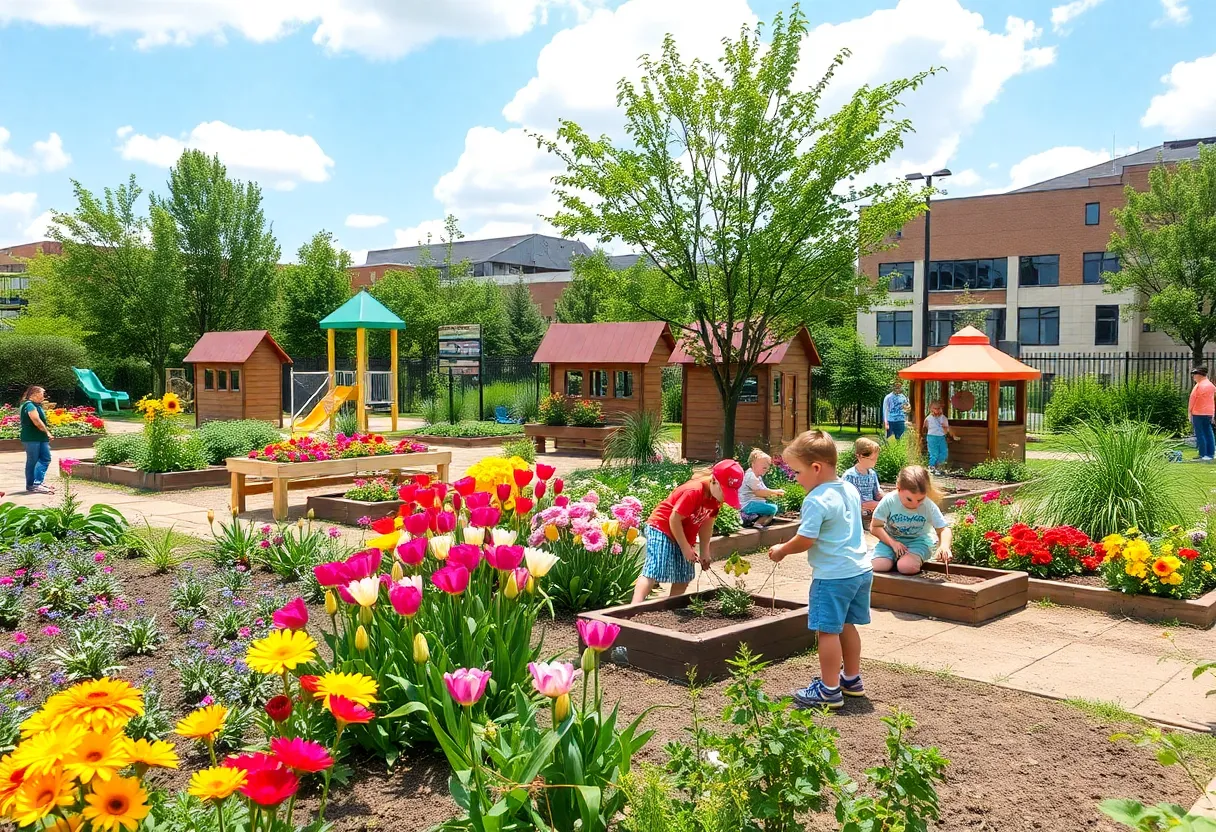
10 Essential Steps for Designing a Kid-Friendly Garden in Philadelphia
Creating a kid-friendly garden in Philadelphia demands strategic planning to balance safety, educational opportunity, and engagement. The city’s unique urban environment and climate create both challenges and opportunities for such endeavors. Implementing a thoughtful approach ensures that children can safely explore, learn, and develop a lasting connection with nature within an outdoor space tailored to their needs.
1. Assess Your Space and Climate
Start with a thorough evaluation of the available area. Philadelphia’s humid subtropical climate features hot, humid summers and cold, damp winters. Selecting an appropriate site involves considering factors like sunlight exposure, drainage, and existing structures. Aim for a location receiving a minimum of six hours of direct sunlight daily; this is vital for supporting diverse plant growth. Ensure the site has proper drainage to prevent waterlogging, which can be hazardous and lead to muddy play zones. A detailed assessment allows for informed decisions about layout, plant selection, and safety measures.
2. Prioritize Safety in Design
Safety forms the foundation of any kid-friendly garden. Use non-toxic plants and avoid species with thorns, poisonous qualities, or sharp edges. Installing soft surfaces like durable grass, mulch, or rubberized ground cover is necessary around play zones to mitigate injury risk from falls. All structures, such as benches, playhouses, or climbing equipment, should be securely built with rounded edges and sturdy materials. Proper fencing or barriers further safeguards children from wandering into hazardous areas, particularly in busy urban settings. Compliance with local safety standards minimizes accidents and enhances peace of mind.
3. Create Interactive Play Zones
Design areas that foster active play and imagination. Natural play structures, like climbing trees or wooden playhouses, stimulate physical activity and creativity. Water features, such as shallow ponds with safety barriers or fountains, serve as learning tools and sensory experiences—supervised water play promotes exploration and understanding of natural elements. Sandboxes, equipped with secure covers, offer tactile stimulation and can be a hub for social play. Carefully organizing play zones ensures children can engage physically and cognitively, balancing outdoor recreation with safety.
4. Incorporate Sensory Gardens
Sensory gardens are invaluable for engaging multiple senses—touch, sight, smell, and sound. Select plants that offer rich textures and fragrant blooms. Fragrant species like lavender, mint, and rosemary awaken olfactory senses. Textured plants such as Lamb’s ear and hostas provide tactile stimulation. Visually striking flowers like sunflowers, zinnias, and marigolds captivate children’s attention. Integrating sensory elements encourages curiosity, learning, and an appreciation of diverse natural stimuli, which is essential for children’s developmental growth.
5. Establish Educational Spaces
Educational features embedded into the garden enhance learning opportunities. Create a vegetable and herb garden to teach children about food cultivation and healthy eating habits. Small raised beds are ideal for easy access and maintenance. Designate a corner for wildlife habitats using native plants to attract birds, butterflies, and beneficial insects, fostering ecological literacy. Incorporate a composting station to demonstrate waste reduction and sustainability principles. These space-specific elements serve as practical tools for experiential learning, fostering environmental responsibility early on.
6. Plan for Accessibility
Universal accessibility ensures the garden benefits all children, including those with mobility challenges. Incorporate paved, smooth pathways wide enough for wheelchairs or strollers. Use ramps where necessary and avoid steps or uneven surfaces. Position raised beds at heights that allow easy reach for children and seating options for rest. Include shaded areas with benches, enabling children to pause and observe. Prioritizing accessibility broadens participation and nurtures inclusivity within the outdoor environment.
7. Choose Low-Maintenance, Resilient Plants
Select plant species suited to Philadelphia’s climate, emphasizing native plants that require minimal upkeep. Native flora are better adapted to local conditions, more resistant to pests, and supportive of regional wildlife. Incorporate a variety of perennials and annuals to ensure continuous visual interest and ecological benefits year-round. Resist over-planning for seasonal color; instead, focus on plants that provide consistency and resilience, reducing the chores associated with garden maintenance.
8. Implement Sustainable Practices
Sustainability not only benefits the environment but also offers educational value. Install rain barrels to collect runoff, reducing urban flooding and providing a sustainable water source for garden irrigation. Apply organic mulch to conserve moisture, suppress weeds, and enrich soil health. Use solar-powered lighting to illuminate pathways safely at night. These practices demonstrate environmentally responsible behaviors, teaching children the importance of conservation and sustainable living.
9. Design for Seasonal Interest
A garden that offers visual and sensory engagement across seasons maintains children’s curiosity year-round. Plan for early bloomers like tulips and daffodils. Summer features can include lush foliage from hostas and ferns. In autumn, incorporate vibrant colors with maples and asters. For winter interest, opt for evergreen shrubs and ornamental grasses that provide structure and color. Thoughtful seasonal planning keeps the garden vibrant and educational in every weather, encouraging ongoing exploration.
10. Involve Children in the Design Process
Engagement begins with involving children in planning. Allow them to select plants, imagine layouts, or contribute to artistic designs. Hands-on tasks, like planting or watering, foster a sense of ownership and responsibility. Their direct participation cultivates a connection to the space, enhancing stewardship and ensuring the garden reflects their interests. An inclusive design process creates meaningful experiences and cultivates lifelong environmental appreciation.
Frequently Asked Questions
What are the safest plants to include in a kid-friendly garden in Philadelphia?
Choose non-toxic, non-poisonous plants such as native species like purple coneflowers, sunflowers, and certain herbs like mint and basil. Avoid plants with thorns, toxic berries, or sharp edges.
How can I make the garden accessible for children with disabilities?
Include wide, smooth pathways suitable for wheelchairs and strollers. Use ramps instead of stairs where needed and position raised beds at accessible heights. Provide shaded seating areas for rest and observation.
What sustainable practices can be integrated into a kid-friendly garden?
Install rain barrels for water harvesting, use organic mulch, incorporate native plants, and utilize solar lighting. These methods teach children about conservation and eco-friendly approaches.
How can children be involved in garden planning and maintenance?
Allow children to select plants, help design layouts, and participate in planting and caring for the garden. Engaging them in these activities fosters responsibility and a personal connection to nature.
Key Features of a Kid-Friendly Garden in Philadelphia
| Feature | Benefits |
|---|---|
| Sunlight Optimization | Supports diverse plant growth and safe outdoor play. |
| Safety Measures | Minimizes risks with non-toxic plants, soft landing surfaces, and sturdy structures. |
| Interactive Zones | Encourages active engagement, creativity, and sensory exploration. |
| Educational Areas | Provides hands-on learning about ecology, sustainability, and nutrition. |
| Accessibility | Ensures inclusivity for children of all abilities. |
| Sustainable Practices | Emphasizes environmental responsibility and resource conservation. |
| Year-Round Interest | Maintains engagement through seasonal plant selection and design. |
| Child Involvement | Fosters ownership, responsibility, and lifelong environmental appreciation. |