
How to Navigate Philadelphia’s Historic Home Renovations: Tips for Preserving Charm While Modernizing
Balancing Heritage Preservation with Modern Comforts
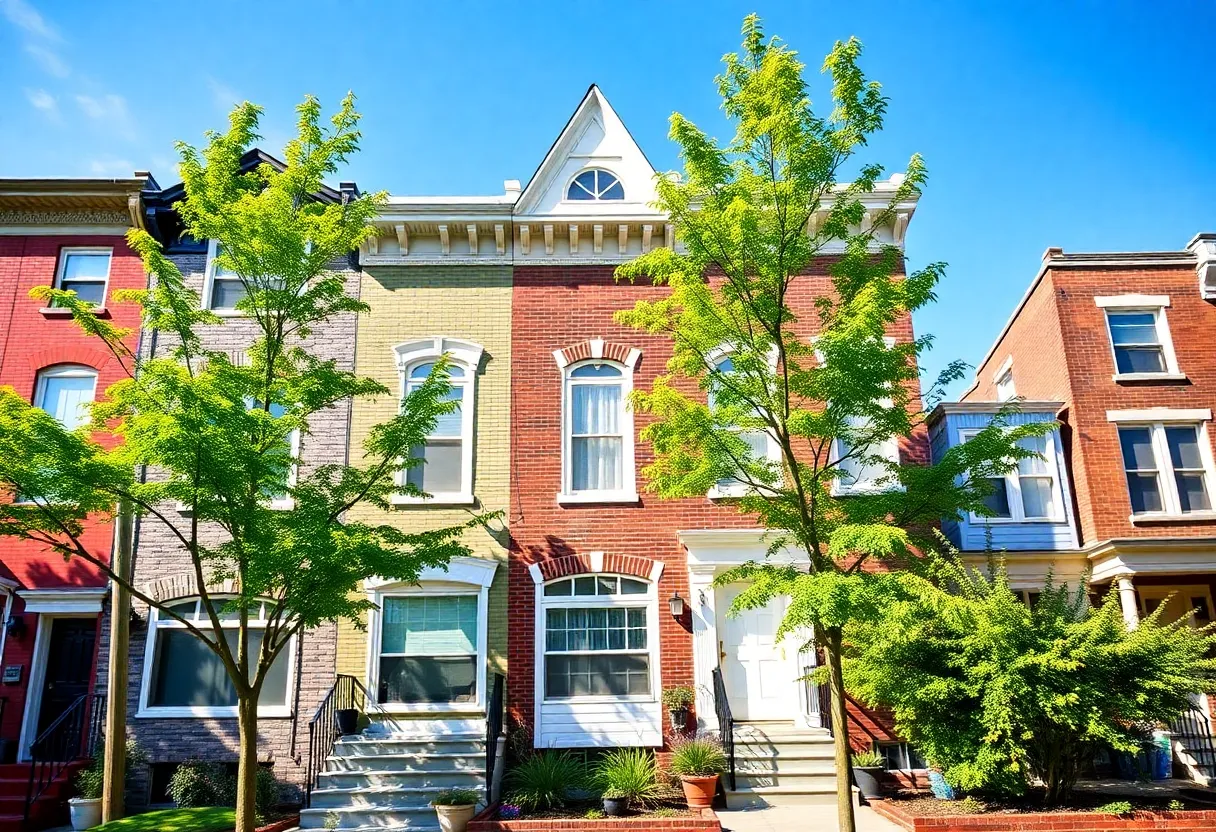
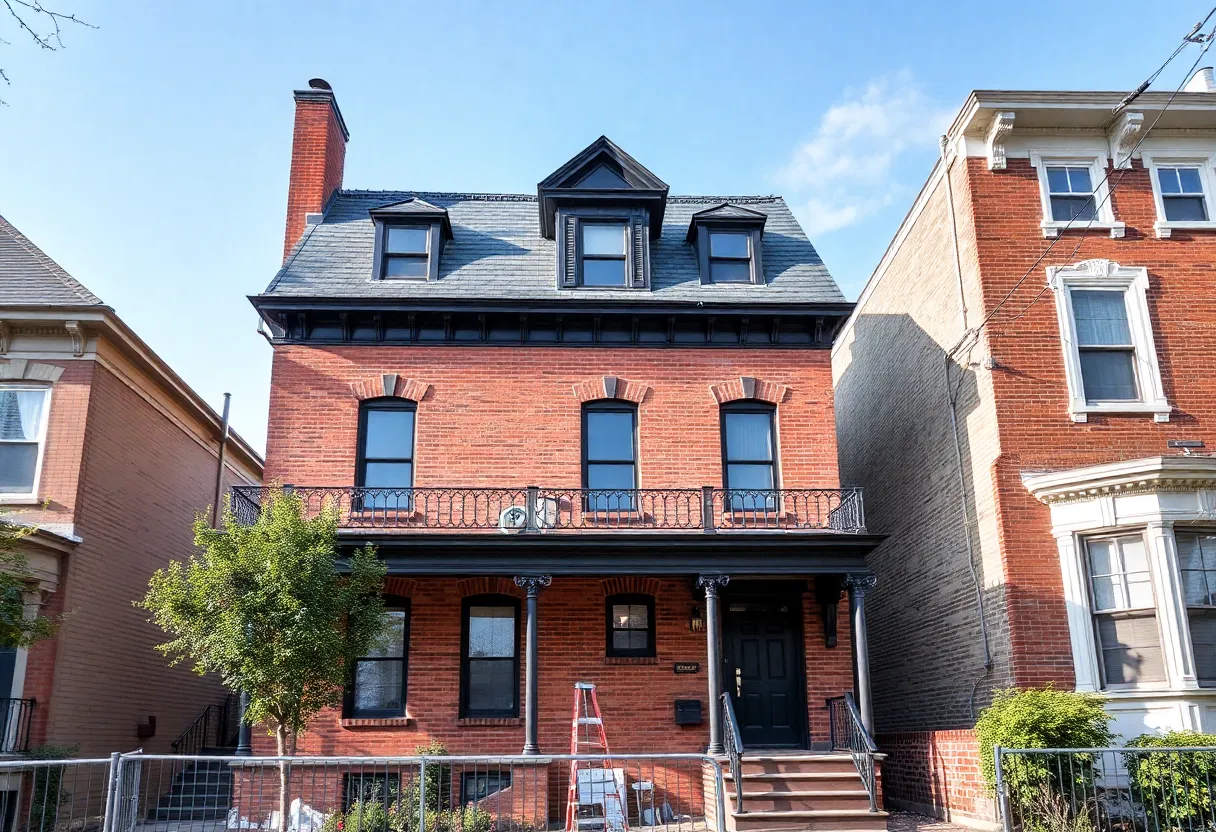
Philadelphia’s historic homes embody centuries of architectural craftsmanship, reflecting the city’s vibrant past. Renovating these properties presents a unique challenge: how to respect and maintain their character while integrating contemporary amenities that enhance everyday living. Effective navigation of this process demands meticulous planning, comprehensive knowledge of regulations, and a commitment to authenticity. This guide offers essential strategies to successfully preserve the charm of Philadelphia’s historic residences during renovation projects.
Key Pillars of Successful Historic Home Renovation in Philadelphia
1. Comprehend the Regulatory Landscape
Understanding local preservation laws is fundamental. Renovations not adhering to regulations risk delays, fines, or even invalidation of permits.
Philadelphia Historical Commission
The Philadelphia Historical Commission governs modifications to properties listed on the Philadelphia Register of Historic Places. Their oversight ensures alterations respect the architectural integrity. Exterior changes, including facades, roofing, window replacements, and exterior ornamentation, require prior approval. Early consultation with this body simplifies compliance and streamlines approval processes. Detailed guidelines are available on city websites for specific property types and districts. ([phila.gov](https://www.phila.gov/services/zoning-planning-development/get-a-plan-review/get-approval-for-work-to-a-historic-property/?utm_source=openai))
Permitting and Compliance
Building permits are mandatory for most renovation activities. These permits verify compliance with current building codes, safety standards, and conservation practices. Collaborate early with city agencies to understand documentation requirements and review timelines to avoid costly setbacks.
2. Strategic Planning with Preservation at Core
Planning ensures the integration of modern systems while respecting historic features.
Identify and Document Original Elements
Conduct a thorough survey of architectural features—moldings, staircases, fireplaces, and flooring. Document these features via photographs and detailed notes. Preservation quality involves restoring rather than replacing these elements whenever feasible.
Discreet Modern System Integration
Modern systems—plumbing, electrical, HVAC—must be updated without damaging historic fabric. Techniques include running wiring within existing wall cavities, concealing pipes behind baseboards, or using surface-mounted conduits that can be painted. Energy-efficient solutions like underfloor heating can also be installed unobtrusively, maintaining aesthetic integrity. ([farrellheyworth.co.uk](https://www.farrellheyworth.co.uk/blog/historical-property-restoration-tips-maintaining-the-charm-while-modernising-facilities/?utm_source=openai))
3. Material Selection for Authenticity
Materials must match the period and style to preserve visual consistency.
Use Period-Appropriate Materials
Select bricks, wood, plaster, and fixtures consistent with the home’s era. For example, if restoring a Georgian residence, opt for traditional sash windows, period-appropriate hardware, and authentic finishes. Incompatible modern materials can undermine the home’s historic value.
Discreet Modern Amenities
Modern kitchens and baths should harmonize with the style. Use cabinetry resembling period furniture, vintage-inspired fixtures, and concealed appliances. When choosing fixtures, prioritize authenticity to avoid modern mismatches that diminish the property’s historic aura. ([farrellheyworth.co.uk](https://www.farrellheyworth.co.uk/blog/historical-property-restoration-tips-maintaining-the-charm-while-modernising-facilities/?utm_source=openai))
4. Foster Community and Expert Engagement
Local historical societies and preservation professionals can provide vital guidance, resources, and support.
Community Resources
Participation in neighborhood preservation groups offers insights into district-specific requirements and funding opportunities such as tax credits or grants. Building relationships with these organizations promotes best practices and shared stewardship of heritage.
Specialists and Contractors
Hire contractors experienced with historic renovations. Verify their familiarity with preservation standards, historic materials, and regulatory processes. Skilled professionals minimize risks of damage or non-compliance, ensuring project success.
5. Steer Clear of Common Pitfalls
Awareness of frequent errors can save time and money.
Neglecting Legal and Financial Procedures
Early compliance with permits, approvals, and paperwork prevents legal issues. Overlooking tax incentives or grants for historic renovation can result in missed funding opportunities.
Inexperienced Contractors
Choosing contractors unfamiliar with historic preservation increases risk of improper work, delayed timelines, or damage to valuable features. Conduct thorough interviews, review portfolios, and verify licenses before proceeding.
6. Budget Wisely for Hidden and Unforeseen Costs
Historic homes often harbor surprises beneath their surface.
Unanticipated Damage
Behind plaster and under floors may lurk water damage, mold, or compromised structural elements. These issues escalate costs and require specialized skills to repair properly.
Code Compliance
Updating electrical wiring, plumbing, or insulation for safety and efficiency may necessitate significant work beyond initial plans. Inspections and code upgrades can cause project delays and additional expenses.
7. Protect and Restore Original Architectural Features
These elements define the home’s character.
Restoration of Millwork and Fine Details
Restore wainscoting, crown moldings, mantels, and staircases with expert artisans specializing in historic carpentry. Whenever replacement is unavoidable, source authentic period-appropriate reproductions to retain visual coherence.
Windows and Doors Preservation
Original wooden windows and doors contribute significantly to authenticity. Restoring rather than replacing preserves craftsmanship, reduces costs, and maintains energy efficiency when properly sealed. Incorporate period-style hardware to enhance historical accuracy. ([theryantradition.com](https://theryantradition.com/blog/how-to-decorate-a-historic-home-blending-timeless-charm-with-modern-comfort?utm_source=openai))
8. Seamlessly Blend Old and New Design Elements
Achieving aesthetic harmony requires thoughtful integration.
Color and Material Palette
Use neutral, muted tones—white, beige, soft green—as a unifying background. Layer textures through period-inspired fabrics, rugs, and accessories to create a cohesive look that respects the home’s legacy while embracing contemporary style.
Vintage Textiles and Patterns
Incorporate damask, toile, or chintz textiles. Upholstered furniture, curtains, and rugs with vintage patterns reinforce the historic atmosphere, providing warmth and character.
9. Incorporate Modern Tech Discreetly
Small technological upgrades can boost convenience without compromising aesthetics.
Lighting and Climate Control
Install smart lighting, dimmable fixtures, and programmable thermostats in concealed locations. Wireless sensors and controls can be embedded in existing architecture to preserve visual integrity.
Security and Entertainment Systems
Use discreet, wireless security cameras and audio systems. Hidden speakers and cameras prevent visual clutter, maintaining historic charm while providing modern safety and entertainment.
10. Rely on Professional Expertise
Professional guidance ensures adherence to best practices.
Preservation Specialists
Engage with conservation experts, architects specialized in historic properties, and urban planners. Their insights help navigate complexities, securing approvals and avoiding costly missteps.
Experienced Contractors
Select contractors with proven records in historic preservation projects. Verify references, examine past work, and ensure they understand local regulations and standards.
Frequently Asked Questions
What permits are required for renovating a historic home in Philadelphia?
Renovations to properties listed on the Philadelphia Register of Historic Places require approval from the Philadelphia Historical Commission. This includes exterior modifications such as facades, roofing, and windows. Early consultation with the commission streamlines the approval process. Building permits are also necessary to meet current safety and code standards. Compliance with both sets of rules ensures legal smoothness and eligibility for tax credits.
How can I preserve original features during renovation?
Identify and carefully document original features such as moldings, staircases, and fireplaces early in the process. Whenever possible, restore these elements using skilled craftsmen experienced in historic preservation. Restoration often involves cleaning, repairing, or reupholstering existing materials rather than replacing them, maintaining authenticity and value.
What common mistakes should I avoid during historic renovations?
Avoid neglecting proper legal procedures and permits, which can delay or nullify your project. Select contractors experienced with historic properties to prevent improper work. Also, rushing repairs or cutting corners on materials can compromise structural integrity and authenticity, leading to higher costs and loss of historic value.
How can I blend modern amenities with a historic home’s charm?
Integrate modern systems—like lighting, climate control, and security—in ways that do not detract from the historic aesthetic. Use concealed wiring, period-appropriate fixtures, and minimalistic smart technologies. Replacing hardware with period-style alternatives and choosing discrete devices helps maintain the home’s authentic feel while benefiting from contemporary comforts.