

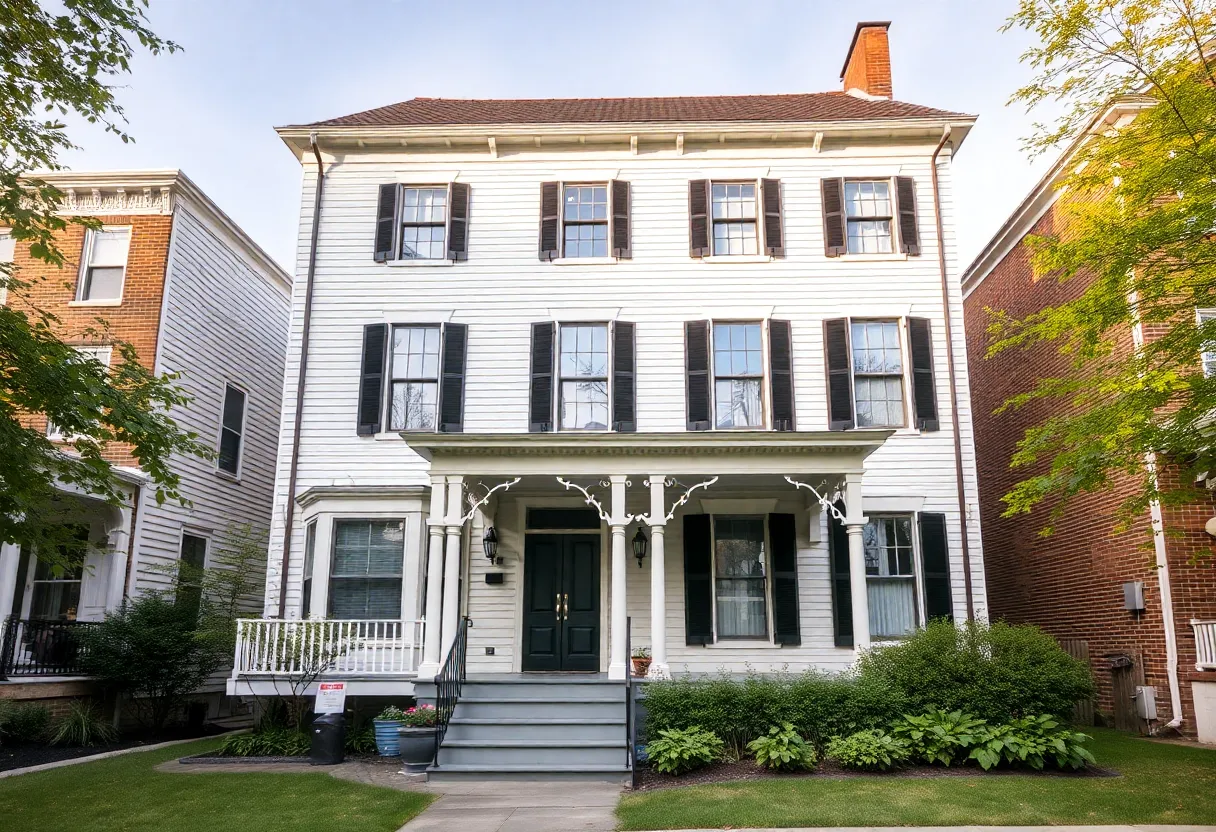
How to Successfully Renovate Your Historic Philadelphia Home: Tips for Preserving Charm and Functionality
Assessing Your Home’s Historical Significance
Before starting any renovation, determine if your property is listed on the Philadelphia Register of Historic Places. This designation imposes specific standards, especially on exterior modifications. Tasks like repointing brickwork, replacing shutters, windows, or the roof typically require review. Conversely, routine maintenance such as painting, cleaning, and minor repairs usually do not prompt review or restrictions. Recognizing these boundaries ensures compliance and preserves the home’s historic integrity.
Understanding your home’s historical status is essential as it influences permitted changes and guides renovation scope. Proper assessment prevents delays and legal complications, helping retain the property’s authentic character.
Planning and Permitting
All renovations in a historic property demand careful planning, especially regarding permits. The oversight authority, often the city’s historic commission, ensures renovations align with preservation standards. Submitting detailed documentation—including plans, materials, and scope of work—before initiating work is mandatory.
Early engagement with the permitting process minimizes project delays and avoids violations. Securing approval is critical when modifying exteriors such as facades, windows, or roofing. This process respects preservation regulations while allowing necessary updates.
Choosing the Right Materials
Using period-appropriate materials is vital for maintaining the home’s authentic appearance. Reclaimed wood, traditional plaster finishes, and historically inspired tiles help preserve its character. Consulting professionals experienced in historic renovations can facilitate sourcing quality materials that meet preservation standards.
Accurate material selection is not only about aesthetics but also about authenticity and durability. Proper installation ensures longevity and preserves details like original moldings, windows, and façade elements.
Enhancing Energy Efficiency
Older homes often feature single-pane windows, minimal insulation, and outdated systems, leading to energy inefficiency. Upgrades such as double-pane windows designed to match existing styles can significantly improve insulation without disrupting visual harmony.
Adding insulation behind walls or within attic spaces enhances thermal performance. Storm windows serve as an effective, non-invasive upgrade. These energy improvements lower utility costs and make the home more comfortable while respecting its historic facade.
Structural Integrity and Safety
Addressing foundational issues and outdated systems is foundational to a successful renovation. Structural inspections uncover problems like deteriorated framing or compromised masonry. Outdated plumbing and electrical wiring pose safety hazards and require modern upgrades.
Prioritizing structural repair prevents future issues and protects occupants. Addressing these early safeguards enhances long-term stability and prevents costly repairs later in the renovation process.
Hiring Qualified Professionals
Select contractors with specific experience in historic home restorations. They should understand preservation standards, local codes, and permit processes. Skilled professionals navigate the complexities of working with older materials and delicate features.
An experienced team can advise on appropriate methods and materials, ensuring compliance with regulations while delivering quality workmanship. Proper execution by knowledgeable workers minimizes risk of damage to valuable features.
Budgeting and Financial Considerations
Historic renovations tend to be more complex, often incurring unforeseen costs. Hidden challenges such as structural repairs, special materials, or permit fees can inflate budgets.
Establishing a detailed, realistic budget with a contingency fund is prudent. Planning for potential delays and unexpected issues minimizes financial stress and allows for flexibility in project scope.
Maintaining Historical Features
Retaining original elements enhances the home’s value and charm. Features such as exposed brick walls, original hardwood floors, or crown moldings define its character. Restoration is preferable to replacement, preserving craftsmanship and history.
When preservation isn’t feasible, careful replacement with matching materials and techniques ensures continuity of appearance. Documenting existing features before renovation guides decisions about conservation or reintegration.
Modernizing with Respect
Adding modern amenities should be a thoughtful process. Upgrades like updated kitchens, bathrooms, or HVAC systems must consider the home’s historic fabric. Small changes can have a big visual impact if designed sensitively.
For example, integrating modern lighting or appliances with minimal alteration maintains aesthetic character. Proper planning ensures updates enhance functionality without sacrificing authenticity.
Dealing with Unforeseen Challenges
Hidden problems frequently surface during renovations, such as structural deterioration or outdated wiring behind walls. These issues require prompt attention to prevent further damage or safety concerns.
Working with specialists experienced in older structures speeds up diagnosis and remediation. Flexibility and preparedness are key to managing unexpected setbacks efficiently.
Preserving the Home’s Story
Every historic residence carries a unique narrative. Researching the history—original architects, previous owners, modifications—provides valuable insights. This knowledge informs restoration choices aligning with the home’s era and style.
Incorporating historical context into design decisions respects the home’s legacy. It can involve preserving distinctive architectural details or reconstructing elements based on historical records.
Tools and Resources for Successful Renovation
Documentation and Historical Research
Gathering photographs, old plans, and stories strengthens your understanding of the home’s original design. Engaging with local archives or historical societies can yield pertinent documents.
Selecting Experienced Professionals
Prioritize contractors with proven experience in historic homes. Request portfolios and references demonstrating compliance with preservation standards.
Choosing Appropriate Materials
Work with suppliers familiar with reproducing or sourcing period materials. Ensuring consistency in details like hardware, moldings, and finishes maintains authenticity.
Managing Permitting and Regulations
Establish clear communication with regulatory bodies early on. Prepare comprehensive documentation to streamline approval processes.
FAQs
What does it mean if my home is listed on the Philadelphia Register of Historic Places?
It indicates your property is recognized for its historical, architectural, or cultural significance. This status imposes guidelines that regulate exterior work and certain renovations to preserve its character.
Are permits required for all renovations in historic homes in Philadelphia?
Permits are generally needed for exterior modifications, structural work, and substantial interior changes. Engaging with the Philadelphia Historical Commission ensures compliance and approval before work begins.
How can I improve energy efficiency without compromising historic features?
Upgrade to double-pane, historically styled windows; add insulation behind walls; and install storm windows. These measures increase efficiency while respecting the home’s aesthetic integrity.
What common challenges might arise during renovation?
Unexpected structural issues, outdated systems, or fragile original features may surface. Expert consultation and flexibility are essential for effective problem-solving.
How do I ensure original features are preserved during renovation?
Careful restoration of features like original moldings, floors, and brickwork maintains authenticity. When replacement is necessary, match materials and craftsmanship to original designs.
Key Features of Historic Philadelphia Home Renovation
| Aspect | Key Consideration | Impact |
|---|---|---|
| Legal Status | Property listed on historic register; review guidelines | Determines permissible modifications and potential restrictions |
| Materials | Use period-appropriate and authentic materials | Preserves visual integrity and structural durability |
| Permitting | Early approval from authorities | Smooth project workflow and legal compliance |
| Structural Safety | Address foundational and system issues first | Ensures safety and longevity |
| Energy Efficiency | Upgrade windows, insulation, and systems thoughtfully | Reduces costs and enhances comfort |
| Original Features | Retain or restore key details | Maintains character and value |