

How to Successfully Leverage Philadelphia’s Historic Homes for Your First-Time Buyer Experience
Introduction
Purchasing a home marks a pivotal milestone, especially for first-time buyers. In Philadelphia, the city’s impressive historic landscape transforms this milestone into an opportunity to own a tangible piece of the past. Historic homes in Philadelphia exhibit distinctive architecture and imbue a deep sense of character unmatched by newer constructions. However, navigating the unique aspects of these properties requires strategic planning and a clear understanding of both their benefits and challenges.
Understanding Philadelphia’s Historic Homes
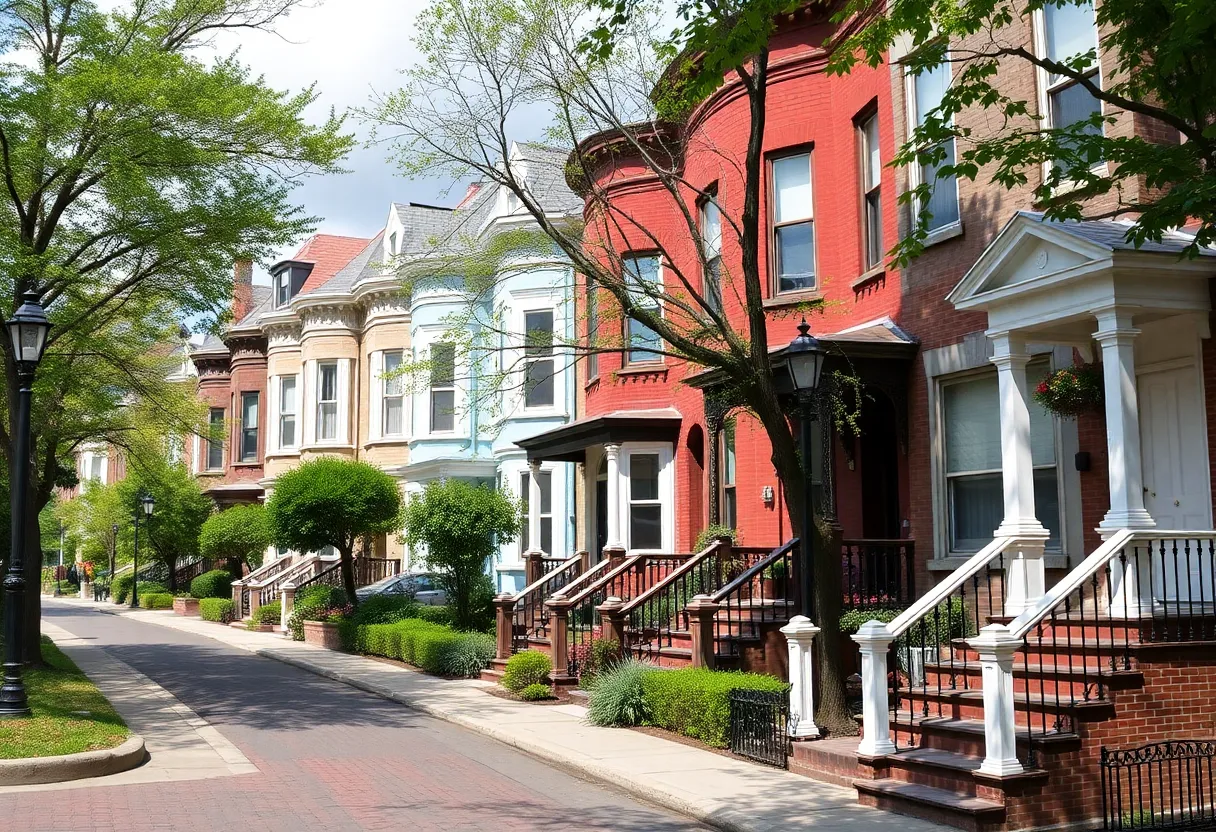
Philadelphia’s historic homes span a spectrum of architectural styles, reflecting the city’s rich cultural tapestry. These homes can date back centuries, from the Georgian elegance of the Powel House to the intricate details of Victorian townhouses. Many are situated in notable neighborhoods such as Society Hill and Old City, which are renowned for their preservation efforts and maintained historical charm paired with contemporary conveniences. Recognizing the diversity and significance of these properties is fundamental for first-time buyers aiming to make informed decisions.
Advantages of Owning a Historic Home
Owning a historic home in Philadelphia offers several compelling benefits:
- Unique Architectural Features: Original hardwood floors, detailed crown molding, ornate fireplaces, exposed brick walls, and custom woodwork provide an ambiance impossible to replicate in modern homes.
- Established Neighborhoods: These areas boast vibrant communities with a strong sense of identity, well-maintained streets, and a wealth of local history.
- Potential Financial Incentives: Various grants, tax credits, and preservation incentives are available, aimed at encouraging historic preservation while offering potential cost benefits to homeowners.
Challenges to Consider
Despite their allure, historic homes come with specific challenges that warrant careful consideration:
- Maintenance and Repairs: Restoring or maintaining original features often requires specialized skills and materials, which can be costly and time-consuming.
- Energy Efficiency: These homes may lack modern insulation or updated windows, leading to increased utility bills and a need for energy upgrades.
- Regulatory Restrictions: Properties on the Philadelphia Register of Historic Places frequently face restrictions on exterior modifications, requiring approval for changes that could impact aesthetic or historical integrity.
Steps to Successfully Purchase a Historic Home in Philadelphia
1. Assess Your Readiness
Evaluate your financial situation and readiness to undertake maintenance responsibilities. Owning a historic home often entails initial investments and ongoing upkeep beyond standard homeownership costs.
2. Research Available Properties
Select neighborhoods that are known for their historic significance. Areas like Society Hill, Old City, and Fairmount present a variety of historic homes offering a blend of preserved architecture and modern conveniences. Conduct comprehensive neighborhood research to align property features with lifestyle preferences.
3. Understand Financial Assistance Programs
Philadelphia provides resources such as the Philly First Home Program. This program offers grants up to $10,000 to assist with down payments and closing costs for first-time buyers who meet income criteria. Completing city-sponsored homeownership counseling is a prerequisite. Such programs help lower entry barriers and make historic property ownership more accessible.
4. Conduct a Thorough Inspection
Engage inspectors experienced with historic properties. Focus on structural integrity, electrical wiring, plumbing, foundation stability, and roofing. A professional assessment can reveal hidden issues, preventing costly surprises post-purchase. Inspections specific to historic features ensure preservation and future durability.
5. Plan for Maintenance and Repairs
Set aside a dedicated budget for ongoing upkeep. Regular inspections and proactive repairs safeguard both the home’s historic integrity and its market value. Address issues like outdated systems, wood rot, or compromised brickwork promptly to avoid escalation.
6. Navigate Regulatory Requirements
Consult local preservation agencies or historical societies to understand restrictions linked to properties listed on the Philadelphia Register of Historic Places. Approval processes may be necessary before making exterior modifications or renovations. Staying compliant ensures preservation eligibility and avoids penalties.
7. Consider Long-Term Value
Evaluate the appreciation potential of historic homes, which often appreciate higher when well-maintained. Recognize that the niche market may influence resale timelines and demand. Balance emotional appeal with practical considerations aligned with your financial and lifestyle goals.
Conclusion
Leverage the profound charm and historical significance of Philadelphia’s authentic architecture through strategic planning and informed decision-making. For first-time buyers, understanding both the advantages and the inherent challenges empowers a successful ownership experience. Armed with comprehensive research, available resources, and a preservation-conscious approach, you can turn the acquisition of a historic home into a rewarding long-term investment.
Frequently Asked Questions (FAQ)
What is the Philly First Home Program?
The Philly First Home Program is a city initiative that offers first-time homebuyers a grant of up to $10,000 (or 6% of the purchase price, whichever is less) to assist with down payments and closing costs. To qualify, buyers must complete a City-funded homeownership counseling program and meet income eligibility requirements. This support helps reduce barriers to homeownership, especially in historic neighborhoods.
Are there specific neighborhoods in Philadelphia known for historic homes?
Yes, neighborhoods such as Society Hill, Old City, and Fairmount are renowned for their well-preserved historic homes. These areas offer a perfect blend of architectural authenticity, cultural vibrancy, and proximity to amenities. Their preservation efforts sustain the historic charm that first-time buyers seek.
What are common maintenance challenges with historic homes?
Historic homes often face issues like deteriorating woodwork, outdated electrical and plumbing systems, and inefficient insulation. Addressing these features requires specialized skills and materials, which can increase maintenance costs. Regular inspections and timely repair are essential to preserve the property’s value and character.
How can I find a qualified home inspector for a historic property?
Seek inspectors with experience in historic properties. Recommendations can come from preservation organizations, real estate professionals, or previous owners familiar with specialists in historic building assessments. A qualified inspector evaluates structural, electrical, plumbing, and material conditions specific to older homes.
What are the potential financial incentives for purchasing a historic home in Philadelphia?
In addition to city grants like the Philly First Home Program, some historic properties qualify for tax credits and preservation grants. These incentives promote maintenance and restoration efforts, reducing overall costs and encouraging preservation efforts for historically significant structures.
Key Features of Philadelphia’s Historic Homes
| Feature | Description |
|---|---|
| Architectural Styles | Georgian, Federal, Beaux Arts, Italianate, Victorian, and other early American styles. |
| Neighborhoods | Society Hill, Old City, Fairmount, Queen Village, and Spring Garden. |
| Common Features | Original hardwood flooring, elaborate moldings, exposed brick interiors, historic fireplaces, and handcrafted woodwork. |
| Potential Challenges | Structural issues, outdated systems, compliance with preservation restrictions, and higher maintenance costs. |
| Financial Incentives | City grants, federal/state tax credits, and preservation assistance programs aimed at maintaining historic integrity. |