
How to Leverage Philadelphia’s Diverse Architecture to Find Your Perfect Home as a First-Time Buyer
Introduction
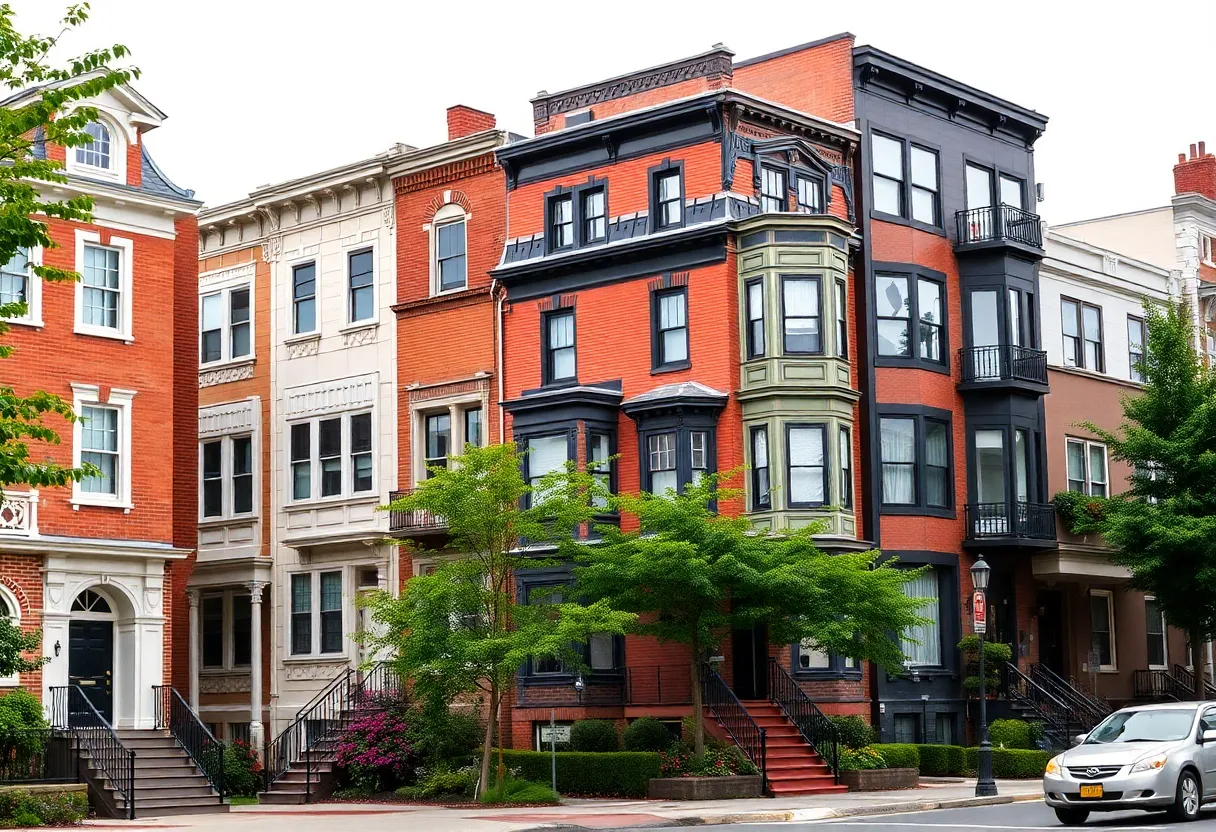
Philadelphia’s architectural landscape offers a remarkably rich palette for first-time homebuyers seeking a residence that aligns with personal preferences and lifestyle goals. The city’s myriad architectural styles—ranging from historic rowhomes to cutting-edge modern designs—provide a broad spectrum of options for those entering the housing market.
Understanding these architectural distinctions and neighborhood characteristics is essential. Proper knowledge enables buyers to identify properties that not only please aesthetically but also offer promising value and long-term investment potential.
Understanding Philadelphia’s Architectural Landscape
Philadelphia’s architecture reflects its historical importance and ongoing innovation. The city integrates styles spanning centuries, creating an eclectic urban fabric that preserves history while embracing modernity. Recognizing the stylistic diversity empowers first-time buyers to make informed choices aligned with their personal tastes and financial considerations.
Key Architectural Styles in Philadelphia
- Colonial Revival: These homes often feature brick facades, gable roofs, and symmetrical layouts. Classical details like columns and pediments are common, evoking early American colonial heritage.
- Victorian: Known for their ornate woodwork, bay windows, and steeply pitched roofs, Victorian homes exude charm and craftsmanship. They often have intricate details and distinctive facades.
- Mid-Century Modern: Characterized by clean lines, flat roofs, and extensive large windows, these residences emphasize simplicity and functionality in design.
- Contemporary: Incorporating innovative materials and open floor plans, contemporary homes prioritize energy efficiency and flexible living spaces. They often feature sustainable design elements.
Identifying Neighborhoods with Diverse Architectural Offerings
Philadelphia’s neighborhoods are uniquely associated with specific architectural styles, allowing buyers to tailor their search accordingly. Each area offers distinct community atmospheres in addition to architectural charm.
Fishtown
Fishtown combines historic and modern aesthetics, featuring renovated rowhomes and *new constructions*. The neighborhood presents a vibrant arts scene, with median home prices approximately between $375,000 and $525,000. Its proximity to downtown Philadelphia and cultural amenities enhances its appeal for first-time buyers.
Graduate Hospital
Bounded by South Street, the Schuylkill River, and Broad Street, Graduate Hospital offers a blend of historic homes and modern developments. The neighborhood is popular among young professionals and families seeking walkability and a dynamic community. Median prices hover around $400,000.
Port Richmond
In Northeast Philadelphia, Port Richmond provides a more residential and affordable atmosphere. Here, charming rowhomes, some recently renovated, coexist with newly built properties. With median prices around $200,000, it appeals to buyers seeking a suburban feel within an urban setting.
Roxborough
Known for its rolling hills, spacious homes, and family-friendly environment, Roxborough offers a suburban ambiance. The area’s architectural styles include Victorian and Mid-Century Modern, providing options for buyers prioritizing space and nature access.
Manayunk
Characterized by cobblestone streets, vibrant main street, and mixed architectural styles, Manayunk attracts first-time buyers desiring nightlife and charm. The neighborhood offers rowhomes, lofts, and some new constructions at relatively affordable prices compared to Center City.
Evaluating Architectural Features and Home Values
Beyond aesthetic preferences, evaluating architectural features and investment potential is vital. This process involves assessing historic allure, modern convenience, and renovation needs.
Historic Homes
Choosing a historic home provides distinct architectural details and a sense of history. However, these homes may entail higher maintenance costs and renovation efforts to meet modern standards. Conducting a thorough inspection of structural integrity and upkeep requirements is essential.
Modern Constructions
Newly built homes typically include cutting-edge features, such as energy-efficient appliances and smart home technology. They tend to require less immediate maintenance but may lack the architectural charm of older properties.
Renovated Properties
Properties that have undergone professional renovations often offer a balance: preserving historic elements while integrating modern amenities. Buyers should verify renovation quality and compliance with building codes to avoid future issues.
Financial Considerations for First-Time Buyers
Understanding financial aspects is critical. Philadelphia offers a variety of programs and incentives designed specifically for first-time buyers, reducing barriers to homeownership.
Affordability and Financing Options
Various financing opportunities exist, including low-down payment options, favorable loan terms, and down payment assistance programs. Consulting with lenders familiar with local market trends enables buyers to leverage these benefits.
Property Taxes and Incentives
Property tax rates vary across neighborhoods. Philadelphia’s notable 10-year tax abatement program encourages new construction and significant renovations by temporarily reducing property taxes. This can influence total ownership costs and improve affordability.
Conclusion
Philadelphia’s diverse architectural landscape delivers countless opportunities for first-time homebuyers to find a residence that suits their personal style and financial goals. By understanding styles, evaluating neighborhoods, and considering financial incentives, buyers can navigate the market more confidently and make informed choices that lead to satisfying homeownership.
FAQs
What are the most affordable neighborhoods in Philadelphia for first-time homebuyers?
Port Richmond and Roxborough are among the most affordable neighborhoods, offering median home prices around $200,000 and $350,000. These areas feature renovated rowhomes and new builds suitable for buyers on a budget.
How can I determine if a historic home is a good investment?
Assess the structural integrity, estimate renovation costs, and review local regulations. Consulting with an expert experienced in historic properties can help ensure sound investment decisions.
What financial programs are available for first-time homebuyers in Philadelphia?
Philadelphia offers down payment assistance, favorable loan options, and tax incentives such as the 10-year tax abatement—all designed to make homeownership accessible for newcomers.
Key Features of Philadelphia’s Architectural Landscape
| Architectural Style | Characteristics | Notable Neighborhoods |
|---|---|---|
| Colonial Revival | Brick facades, gable roofs, symmetrical designs, classical details | Chestnut Hill, Society Hill |
| Victorian | Ornate woodwork, bay windows, steeply pitched roofs | Germantown, Mount Airy |
| Mid-Century Modern | Clean lines, flat roofs, large windows, simplicity | Roxborough, Manayunk |
| Contemporary | Innovative materials, open spaces, energy-efficient features | Fishtown, Northern Liberties |

Author: STAFF HERE PHILADELPHIA WRITER
The PHILADELPHIA STAFF WRITER represents the experienced team at HEREPhiladelphia.com, your go-to source for actionable local news and information in Philadelphia, Philadelphia County, and beyond. Specializing in "news you can use," we cover essential topics like product reviews for personal and business needs, local business directories, politics, real estate trends, neighborhood insights, and state news affecting the area—with deep expertise drawn from years of dedicated reporting and strong community input, including local press releases and business updates. We deliver top reporting on high-value events such as Mummers Parade, Philadelphia Flower Show, and Thanksgiving Day Parade. Our coverage extends to key organizations like the Greater Philadelphia Chamber of Commerce and United Way of Greater Philadelphia, plus leading businesses in telecommunications, food services, and healthcare that power the local economy such as Comcast, Aramark, and Children's Hospital of Philadelphia. As part of the broader HERE network, we provide comprehensive, credible insights into Pennsylvania's dynamic landscape.