

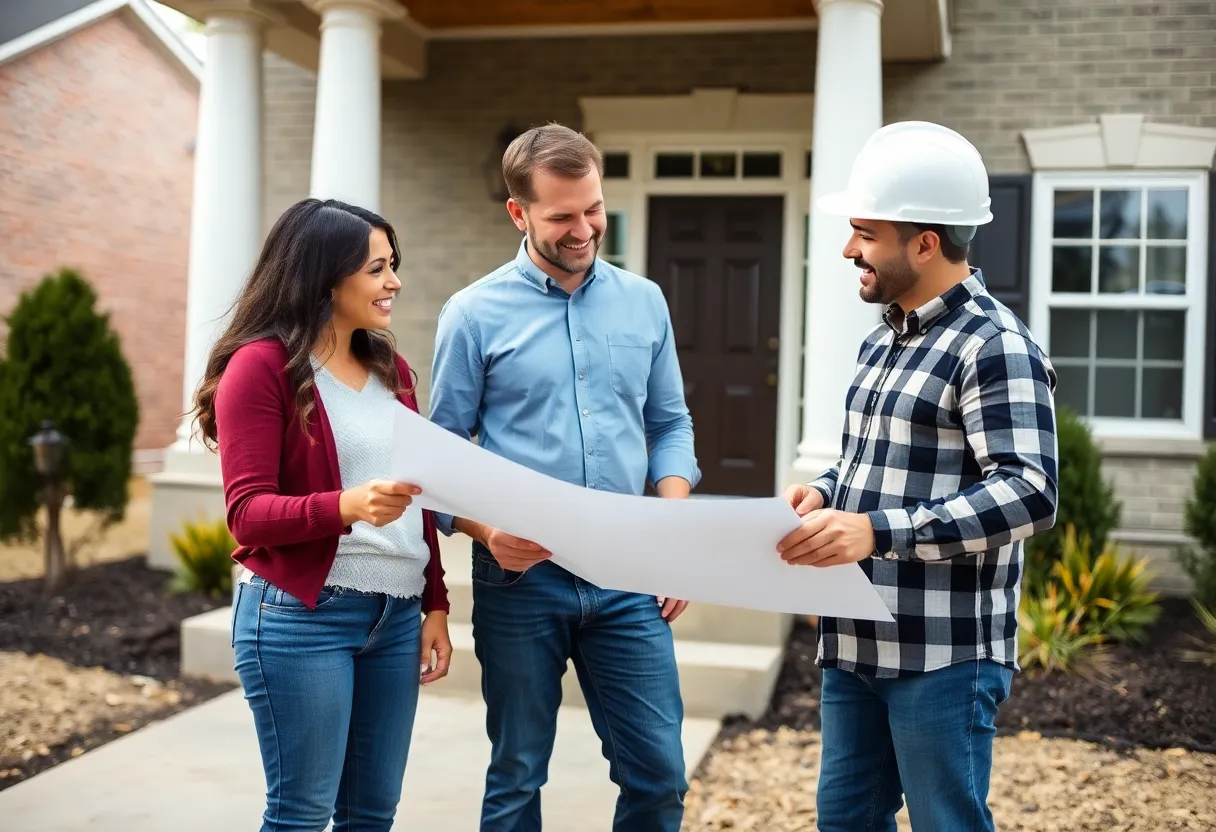
What Are the Essential Questions to Ask Your Philadelphia Home Builder Before Commencing Your Project?
Building a new home in Philadelphia is an ambitious and rewarding pursuit. The success of such a significant investment hinges on selecting the right builder and ensuring clear communication from the start. Asking the right questions allows homeowners to evaluate a builder’s expertise, reliability, and compatibility. This guide synthesizes the most critical inquiries to facilitate an informed decision-making process.
1. What Is Your Experience and Track Record?
Begin by assessing the builder’s background. A well-established builder with a consistent record increases the likelihood of a smooth project.
– Years in Business: How long has the builder been operating within Philadelphia?
– Completed Projects: Can they provide references or showcase examples of homes similar to yours?
– Specialization: Do they focus on particular styles or types of homes, such as modern, traditional, or custom designs?
A builder with a proven history in constructing similar homes offers peace of mind regarding craftsmanship and adherence to local standards. Experience also correlates with the ability to manage complex projects efficiently.
2. Are You Licensed and Insured?
Legal requirements must be met. Confirm that the builder holds valid licensing through Philadelphia’s regulatory bodies.
– Licensing: Ensures compliance with city codes and state regulations.
– Insurance: Protects against liabilities from accidents or damages during construction.
Unlicensed or uninsured builders pose risks, including legal complications and financial liabilities, which can derail your project and cause costly delays.
3. What Is Included in the Contract and Pricing?
Transparency in pricing prevents hidden costs and surprises. Clarify details early:
– Scope of Work: What specific services and materials are included at the quoted price?
– Upgrades and Changes: How are modifications during construction handled? Are costs for upgrades included or additional?
– Payment Schedule: What are the milestones for payments? Is a deposit required upfront?
Request a detailed estimate to compare contractors effectively and safeguard your budget. Clear contract terms also set expectations for both parties.
4. What Is the Estimated Timeline for Completion?
A realistic timeline maintains project momentum and helps you plan your move.
– Start Date: When can construction commence?
– Projected Finish Date: When is completion expected?
– Potential Delays: What common issues could extend the schedule?
Discussing possible delays—such as weather, supply chain issues, or permitting delays—ensures you’re prepared and aligned with your builder’s project management approach.
5. How Do You Handle Changes or Upgrades During Construction?
Change management affects cost and schedule. A professional builder will have a clear process.
– Change Orders: How are modifications documented and approved?
– Cost & Timeline Impact: Do changes influence the overall budget or completion date?
– Communication: How will you be informed of proposed changes?
Establishing a transparent change-order process minimizes misunderstandings and ensures your home reflects your evolving preferences without excessive surprises.
6. What Warranties Do You Offer?
A robust warranty demonstrates confidence in quality.
– Coverage: What defects or issues are covered?
– Duration: How long does the warranty last after project completion?
– Post-Build Support: How are warranty claims handled?
A comprehensive warranty provides security, ensuring that repairs or defects are addressed without additional expenses after you move in.
7. Who Will Be My Main Point of Contact?
Clear communication streamlines project oversight.
– Primary Contact: Who will oversee daily operations?
– Methods of Communication: Will updates come via email, phone, or in-person meetings?
– Frequency of Updates: How often should I expect progress reports?
A dedicated contact facilitates prompt resolution of issues and keeps the project transparent at each stage.
8. Can I Tour a Completed or Ongoing Project?
Seeing actual work helps evaluate craftsmanship and attention to detail.
– Site Visits: Are there opportunities to walk through current or finished homes?
– Assessing Features: What standard features are included, and which ones are upgrades?
This firsthand inspection aids in understanding the quality standards the builder maintains.
9. How Do You Ensure Quality Control?
Quality assurance processes are vital.
– Inspection Protocols: Are there multiple inspections during construction?
– Standards & Certifications: Does the builder adhere to recognized standards?
– Subcontractor Management: How are subcontractors vetted and monitored?
A builder with rigorous quality controls reduces the risk of defects and rework, ensuring your home meets safety and durability standards.
10. Are There Any Additional Costs or Fees?
Discuss all potential expenses upfront:
– Hidden Fees: Are there costs beyond the scope and initial estimate?
– Permits & Approvals: Will the builder handle permits, or are these your responsibility?
– Site Costs: Is there a premium for the lot or HOA fees?
Understanding all financial obligations helps avoid budget overruns and surprises during the building process.
11. How Do You Handle Post-Construction Support?
Customer care extends beyond project completion.
– Warranty Service: How are post-build issues addressed under warranty?
– Maintenance Assistance: Do you offer ongoing support or inspections?
– Customer Service: How quickly do you respond to issues after move-in?
This ongoing support indicates a builder’s dedication to long-term satisfaction.
12. What Is Your Approach to Sustainability and Energy Efficiency?
Eco-conscious building practices benefit both the environment and the homeowner’s wallet.
– Energy-Efficient Options: Do you incorporate features like solar, high-efficiency HVAC, or insulation?
– Materials: Are sustainable or recycled materials used?
– Certifications: Do your homes meet standards such as ENERGY STAR or LEED?
A focus on sustainability can significantly reduce energy bills and enhance home value.
13. How Do You Manage Project Delays?
Delays can impact your planning. Inquire about:
– Common Causes: Weather, material shortages, inspections?
– Communication: How will you be informed about potential delays?
– Mitigation Strategies: What steps are taken to minimize delays?
Transparency about potential setbacks builds trust and helps in contingency planning.
14. What Is Your Policy on Subcontractors?
Reputable builders work with trusted subcontractors.
– Selection Process: How are subcontractors chosen?
– Consistency: Do you use the same subcontractors for ongoing projects?
– Quality Monitoring: How do you ensure standards are met?
Strong relationships with skilled subcontractors tend to translate into higher quality construction.
15. How Do You Handle Permits and Approvals?
Compliance streamlines the building process.
– Permit Acquisition: Will the builder secure all necessary permits?
– Code Compliance: How do you ensure adherence to local building codes?
– Inspection Process: Are inspections integrated into the schedule?
A knowledgeable approach reduces the risk of delays and legal issues.
16. What Sets You Apart From Other Builders in Philadelphia?
Identifying what differentiates a builder helps solidify your choice.
– Unique Processes: Do they use innovative building methods?
– Customer Satisfaction: What’s their reputation among clients?
– Customization Capabilities: How flexible are they in incorporating your design preferences?
A builder’s distinctive strengths can help craft the home that’s perfect for your lifestyle.
Frequently Asked Questions
Why is asking about a builder’s experience important?
Experience indicates a builder’s familiarity with local regulations, quality standards, and efficient project management, which increases the likelihood of a successful build that meets your expectations.
What should I verify regarding licensing and insurance?
Ensure the builder holds valid local licenses and comprehensive insurance to cover liabilities. This protects you from potential legal or financial issues resulting from accidents or non-compliance.
How can I ensure transparency in pricing?
Request detailed contracts that specify scope of work, materials, costs, and payment schedules. Clarify any potential extra charges for upgrades or changes to avoid surprises later on.
What are key signs of quality control in home building?
Multiple project inspections, adherence to building standards, thorough subcontractor vetting, and adherence to safety protocols are indicators of strong quality control measures.
Key Features of Asking the Right Questions
| Feature | Purpose | Benefit |
|---|---|---|
| Experience & Track Record | Assess builder’s history and specialization | Predicts quality and reliability |
| Licensing & Insurance | Verify legal and financial protection | Reduces liability and risk |
| Contract Transparency | Clarify scope, costs, and timelines | Prevents misunderstandings and cost overruns |
| Quality Assurance | Ensure building standards are met | Higher quality, fewer defects |
| Post-Construction Support | Guarantee ongoing customer service | Long-term satisfaction and peace of mind |