
What Are the Top 5 Eco-Friendly Home Renovation Tips for Philadelphia Homeowners?
Philadelphia homeowners focused on sustainability can significantly reduce their environmental impact through targeted renovation strategies. These approaches not only promote a healthier planet but often result in long-term financial savings. Below are the five most effective eco-friendly renovation tips tailored specifically for Philadelphia residences.
1. Upgrade to Energy-Efficient Appliances and Systems
Replacing aging appliances with energy-efficient models is one of the most impactful steps. Look for products bearing the Energy Star label; these appliances meet strict efficiency criteria, ensuring lower energy consumption. Modern systems such as heat pumps are highly recommended. Heat pumps utilize the Earth’s constant temperature, offering efficient heating and cooling solutions that drastically cut fossil fuel use—up to 65% savings in some cases.
In Philadelphia’s climate, cold-climate heat pumps are especially advantageous, providing efficient warmth during harsh winter months. Installing such systems can dramatically decrease utility bills and greenhouse gas emissions. Integrating enhanced HVAC systems aligns with the city’s eco-conscious initiatives and helps homeowners meet sustainability goals.
2. Enhance Insulation and Air Sealing
Optimal insulation and tight air sealing are fundamental in eliminating energy waste. Eco-friendly insulation materials like cellulose made from recycled paper can reduce energy bills by 20% to 30%. Proper insulation keeps warm air indoors during winter and cool air in during summer.
Ensuring air tightness involves sealing gaps around windows, doors, and ductwork with high-quality caulking or weatherstripping. This prevents drafts, maintains indoor temperature, and reduces HVAC strain. Such measures increase comfort and cut down on energy waste, directly benefiting both environment and wallet.
3. Install Solar Panels
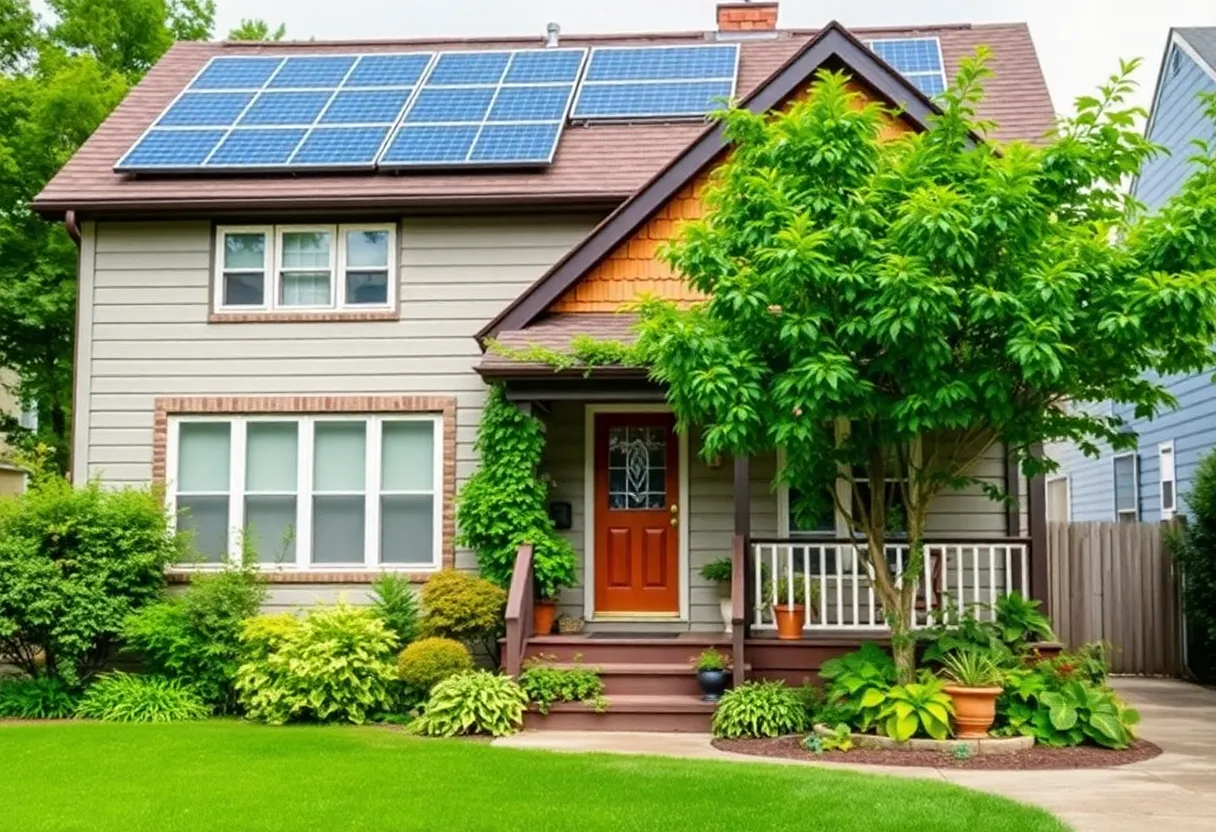
Photovoltaic systems offer one of the most sustainable energy options available. Philadelphia’s Solarize Philly program facilitates access to solar by providing free assessments and discounted equipment. Leveraging these programs makes solar energy more attainable for homeowners.
Federal incentives, such as a 30% tax credit on solar installations, substantially offset upfront costs. Solar panels generate clean, renewable energy, decreasing reliance on grid electricity and reducing greenhouse gas emissions. Solar installations can also enhance property value and qualify homeowners for various incentives, aligning with city initiatives to promote local renewable energy adoption.
4. Choose Sustainable Materials
Selection of eco-friendly building materials significantly lessens environmental impact. Materials like bamboo flooring, reclaimed wood, and recycled glass reduce resource extraction and waste. For countertops and surfaces, quartz serves as an excellent sustainable choice, being abundant and requiring less quarrying compared to granite or marble.
Indoor air quality can be further improved by opting for low-VOC or no-VOC paints. These products emit fewer volatile organic compounds, minimizing harmful chemical exposure, essential in urban environments like Philadelphia where air quality is a priority. Choosing sustainable materials supports a healthier living environment and aligns with green building standards.
5. Implement Water Conservation Measures
Water conservation not only reduces environmental pressure but also saves money on utility bills. Installing low-flow fixtures—such as faucets and showerheads—significantly decreases water usage without sacrificing performance.
Upgrading to EPA WaterSense-certified toilets can save approximately 13,000 gallons of water annually per unit. These toilets use about 1.28 gallons per flush, which is considerably less than conventional models. Water-efficient fixtures are especially relevant in Philadelphia, which faces water management challenges and encourages resource conservation through local regulations and programs.
Additional Strategies for Green Renovations in Philadelphia
Beyond the five main tips, consider integrating rainwater harvesting systems, green roofs, and sustainable landscaping. Urban homeowners can also prioritize eco-friendly paint, recycled drywall, and LED lighting options. Each small action contributes to a comprehensive sustainability approach.
Benefits of eco-friendly renovations include:
- Reduced greenhouse gas emissions
- Lower utility bills
- Improved indoor air quality
- Enhanced property value
- Alignment with local and federal sustainability initiatives
Frequently Asked Questions (FAQ)
What are Energy Star appliances?
Energy Star appliances are certified products that meet strict energy efficiency guidelines set by the U.S. Environmental Protection Agency. They consume less energy and help reduce utility bills.
How can I participate in Solarize Philly?
Homeowners can contact the program through its official portal to arrange a free solar assessment. The program offers discounted prices on solar panel installations and professional advice specific to Philadelphia homes.
What are the advantages of low-VOC paints?
Low-VOC paints emit fewer volatile organic compounds, which improves indoor air quality and lowers exposure to harmful chemicals. They are a healthier choice, especially in urban environments.
How do heat pumps improve energy efficiency?
Heat pumps utilize the Earth’s stable temperature to heat and cool homes, significantly reducing reliance on fossil fuels—up to 65% energy savings—making them a smart choice for eco-conscious renovations.
What are WaterSense toilets?
WaterSense toilets are EPA-certified fixtures that use 1.28 gallons per flush, offering water conservation benefits while maintaining performance, resulting in savings on water bills.
Key Features of Eco-Friendly Home Renovations
| Feature | Description |
|---|---|
| Energy Efficiency | Implementing upgrades like Energy Star appliances and heat pumps to reduce energy consumption and lower utility bills. |
| Insulation and Air Sealing | Enhancing insulation and sealing air leaks to maintain indoor comfort and improve energy efficiency. |
| Renewable Energy Integration | Installing solar panels to harness renewable energy, reducing reliance on fossil fuels and decreasing electricity costs. |
| Sustainable Materials | Choosing eco-friendly building materials like bamboo and low-VOC paints to minimize environmental impact and improve indoor air quality. |
| Water Conservation | Installing low-flow fixtures and WaterSense toilets to conserve water and reduce utility expenses. |