
Philadelphia, February 6, 2026
In Philadelphia, local Black girls are making significant strides in increasing representation within the sport of hockey, inspired by Laila Edwards’ historic achievement as the first Black woman on the U.S. Olympic hockey team. Despite facing financial barriers and accessibility issues in an expensive sport, their participation is part of a broader movement to push for greater diversity and inclusion in hockey, supported by ongoing efforts from current and former players to empower young athletes.
Philadelphia
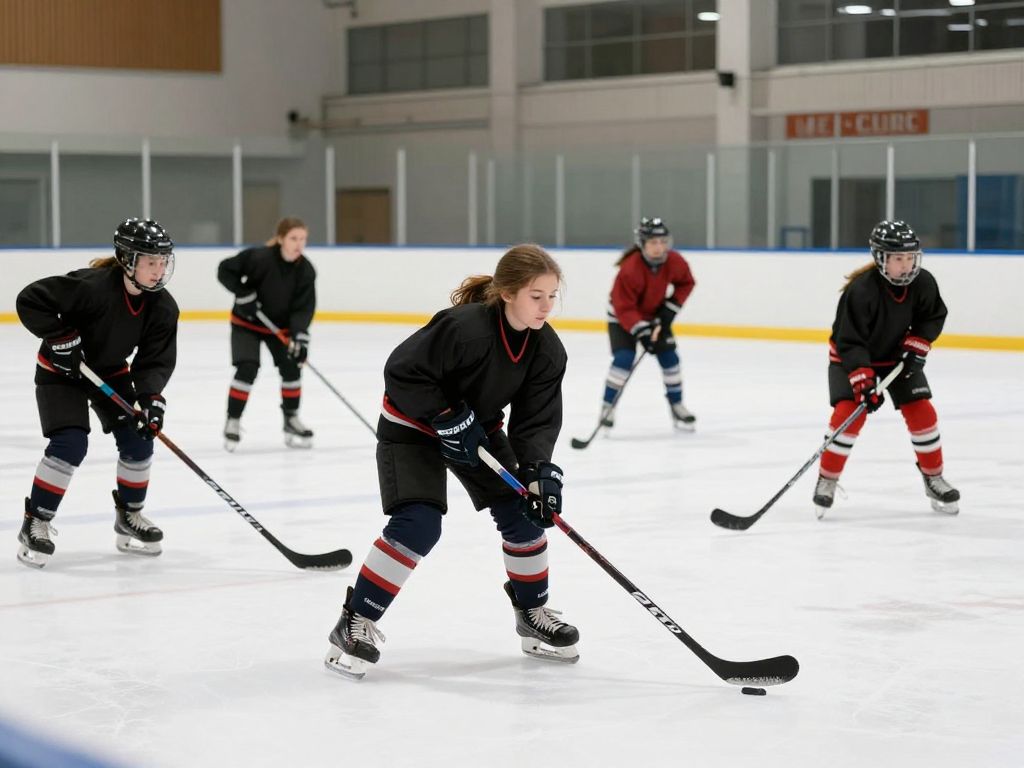
In a significant development for diversity in sports, local Black girls in Philadelphia are actively increasing representation and breaking barriers on the ice. This surge in participation follows closely on the heels of Laila Edwards making history by becoming the first Black woman to play for the U.S. Olympic hockey team in early February 2026.
Increasing Diversity on the Ice
The efforts of these young athletes in Philadelphia are part of a broader movement to make hockey more inclusive. Their increased visibility is crucial, inspiring the next generation of players.
Laila Edwards, a 22-year-old University of Wisconsin defenseman, is set to represent the U.S. at the Olympic Winter Games Milano Cortina 2026. Her achievement as the first Black woman to play for the U.S. Olympic hockey team is seen as a pivotal moment that could lead to an increase in Black girls and women participating in and following the sport.
Despite these advancements, hockey continues to face challenges regarding accessibility. It is known as one of the most expensive sports, with equipment costs ranging from $300 to $1,000 for new players, and annual team dues for some programs reaching $10,000 to $20,000 per year. These high expenses for equipment, ice time, coaching, and travel pose a significant barrier to participation for many families.
Historical Context and Ongoing Efforts
The push for greater diversity in hockey has deep historical roots. Willie O’Ree broke the sport’s color barrier on January 18, 1958, when he debuted with the Boston Bruins, becoming the first Black player in the NHL. His pioneering effort is widely recognized as a “Jackie Robinson moment” for hockey.
More recently, Blake Bolden has also been a trailblazer, becoming the first Black woman to play professional ice hockey and the first woman of color to scout in the NHL. Bolden is actively involved in advocating for diversity, addressing institutional racism, financial barriers, and program access to empower Black girls in hockey.
The National Hockey League (NHL) is committed to accelerating diversity and inclusion across the sport. The league aims for record diversity in its draft and strives to attract more women fans and executives. The NHL has introduced initiatives like “Hockey is for Everyone” to promote diversity and acceptance. The Capitals, for instance, are supporting local non-profit organizations dedicated to advancing diversity, equity, and inclusion in hockey. The Hockey Diversity Alliance (HDA), formed by current and former NHL players, also works to eradicate racism and intolerance, inspiring a new generation of diverse players and fans through grassroots programs and education.
Frequently Asked Questions
- What is the latest news regarding diversity in hockey in Philadelphia?
- Local Black girls in Philadelphia are actively increasing representation and breaking barriers on the ice.
- Who is Laila Edwards and what is her recent achievement?
- Laila Edwards is a 22-year-old University of Wisconsin defenseman who made history by becoming the first Black woman to play for the U.S. Olympic hockey team in early February 2026, set to compete at the Olympic Winter Games Milano Cortina 2026.
- What are the main financial challenges to participating in hockey?
- Hockey is considered one of the most expensive sports, with equipment costs ranging from $300 to $1,000 for new players, and annual team dues for some programs reaching $10,000 to $20,000 per year. High costs for equipment, ice time, coaching, and travel act as significant barriers to participation.
- Who broke the color barrier in the NHL?
- Willie O’Ree broke the color barrier in the NHL on January 18, 1958, when he debuted with the Boston Bruins, becoming the first Black player in the league.
- What efforts is Blake Bolden making for diversity in hockey?
- Blake Bolden, the first Black woman to play professional ice hockey and scout in the NHL, is actively involved in advocating for diversity. She addresses institutional racism, financial barriers, and program access to empower Black girls in hockey.
- What are some of the NHL’s initiatives to promote diversity?
- The NHL is committed to accelerating diversity and inclusion, aiming for record diversity in its draft and striving to attract more women fans and executives. Initiatives include “Hockey is for Everyone” and support for non-profit organizations dedicated to advancing diversity, equity, and inclusion in hockey.
Key Features of Diversity in Hockey
| Feature | Description | Scope |
|---|---|---|
| Local Initiatives | Black girls in Philadelphia are increasing diversity in ice hockey. | State-level |
| Historic Representation | Laila Edwards is the first Black woman to play for the U.S. Olympic hockey team. | Nationwide |
| Cost Barrier | Hockey is an expensive sport, with significant costs for equipment, ice time, coaching, and travel. | Nationwide |
| Pioneers | Willie O’Ree broke the color barrier in the NHL in 1958. | Nationwide |
| Modern Trailblazers | Blake Bolden is the first Black woman to play professional ice hockey and scout in the NHL. | Nationwide |
| NHL Initiatives | The NHL aims for record diversity and works to attract more women fans and executives, promoting inclusion through various programs. | Nationwide |
Deeper Dive: News & Info About This Topic
HERE Resources