

How to Decode Philadelphia’s Real Estate Listings: Essential Tips for First-Time Buyers
Introduction
Buying your first home in Philadelphia marks an important milestone. It represents security, investment, and the beginning of a new chapter. However, the process of navigating real estate listings in a complex, vibrant market can seem overwhelming. Many first-time buyers encounter difficulties understanding property descriptions, market trends, and financial terms that are vital for making informed decisions. Without clarity, you risk misinterpreting listings or overlooking key details.
This comprehensive guide aims to empower first-time buyers with knowledge to decode Philadelphia’s real estate listings effectively. By mastering market insights, terminology, and financial considerations, you’ll be better equipped to identify opportunities, avoid pitfalls, and negotiate confidently.
Understanding Philadelphia’s Real Estate Market
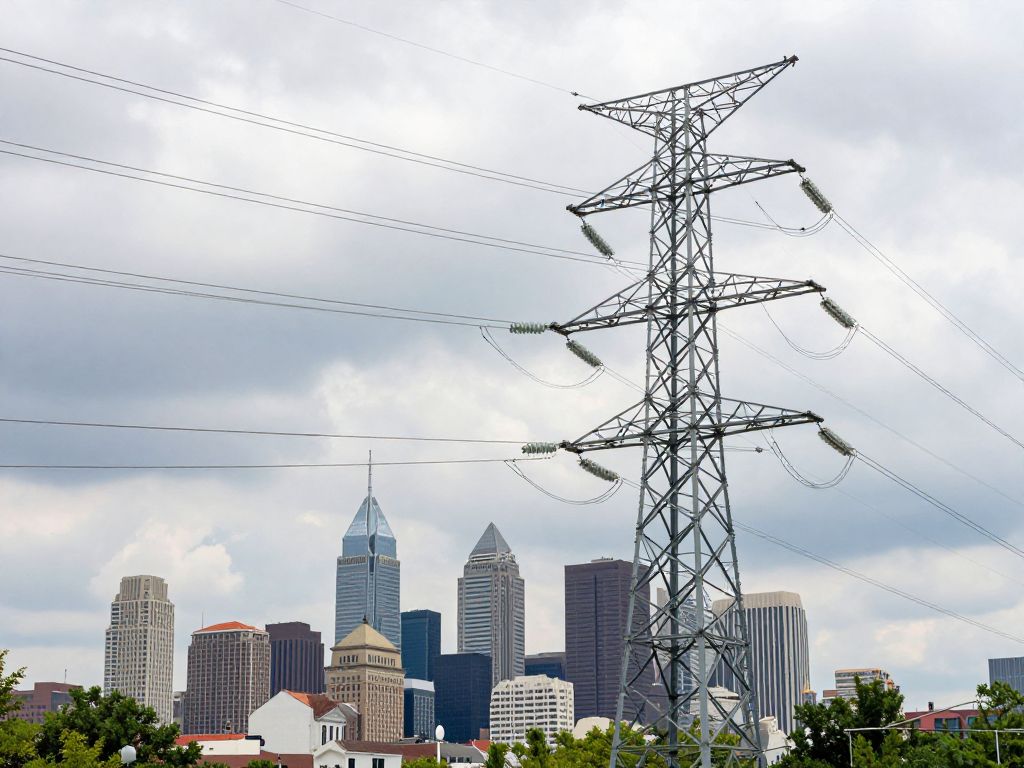
Philadelphia’s real estate landscape is notably diverse, reflecting its rich history and dynamic growth. From historic rowhomes in Center City to contemporary condos in Fishtown and suburban-style homes in Roxborough, the city offers a broad spectrum of options.
As of March 2026, the median sale price is approximately $275,000. This represents a 7.8% increase from the previous year, indicating a rising, competitive market. Such growth underscores the importance of acting swiftly and being well-prepared. High demand areas tend to see quicker sales and potentially higher prices, making it crucial for first-time buyers to understand current market conditions.
Decoding Common Real Estate Terminology
To interpret listings accurately, familiarize yourself with essential terms:
Listing Price
This is the seller’s asking price for the property. Listings may also display a range or suggest potential negotiations.
Days on Market (DOM)
Refers to the number of days the property has been actively listed. Longer DOM can indicate a less competitive market or overpricing.
Price Per Square Foot
A vital metric that allows comparison across properties. Calculated by dividing the listing price by the property’s square footage. Higher values usually reflect higher desirability or premium locations.
Contingencies
Conditions that must be satisfied before the sale proceeds. Common contingencies include financing approval and home inspections. Listings with multiple contingencies may be less attractive to sellers.
Seller Assist
This refers to the seller contributing part of their proceeds to help cover the buyer’s closing costs, which can be negotiated as part of the deal.
Evaluating Property Listings
Effective evaluation hinges on multiple factors:
Property Features
Assess bedroom and bathroom counts, overall square footage, and special features like a backyard, garage, or renovated interiors. Detailed descriptions help you understand the property’s appeal.
Neighborhood Analysis
Research surrounding amenities, safety, school quality, and potential for future growth. Trendy neighborhoods might command higher prices but offer lifestyle advantages.
Comparative Market Analysis (CMA)
Compare similar properties recently sold nearby to gauge if the listing price is justified. This data helps determine market value and negotiate effectively.
Financial Considerations for First-Time Buyers
Understanding the financial landscape is critical:
Down Payment
Different loan programs require varying down payments. FHA loans typically demand at least 3.5%, while conventional loans may require 5-10%. VA and USDA loans often boast 0% down, providing significant advantages for eligible buyers.
Closing Costs
In Philadelphia, closing costs usually range from 2% to 5% of the purchase price and include lender fees, title insurance, and transfer taxes. These costs can amount to several thousand dollars and should be factored into your budget.
Transfer Taxes
Philadelphia imposes a transfer tax of 4.578% of the sale price, one of the highest in the region. This tax significantly impacts closing costs and negotiations.
Mortgage Insurance
If your down payment is less than 20%, you might need to pay private mortgage insurance (PMI). This adds to your monthly payments until sufficient equity is built.
Utilizing Financial Assistance Programs
Numerous programs support first-time buyers:
FHA Loans
Require minimal down payment (3.5%) and are flexible with credit requirements. They are popular among first-time buyers.
Conventional Loans
Offer as low as 3% down for qualified buyers, with flexible terms.
VA Loans
Provide zero down payment options for eligible veterans and active-duty personnel, alongside favorable interest rates.
USDA Loans
Designed for rural and suburban areas, these often require no down payment.
State and Local Programs
Philadelphia and Pennsylvania offer grants, down payment assistance, and favorable loan terms to reduce upfront costs and facilitate homeownership.
Understanding Seller Assist
Seller assist can be a strategic tool:
- FHA Loans allow up to 6% of the purchase price.
- VA Loans permit around 4%, with some costs covered beyond that.
- USDA Loans often enable up to 6% assistance.
- Conventional Loans typically permit 3%, increasing to 9% with larger down payments.
Using seller assist can offset closing costs, but in highly competitive neighborhoods, requesting high assistance may weaken your offer. Balance is key—consider local market conditions and your financial needs.
Conducting Property Inspections
Inspections safeguard your investment:
Home inspections cost between $400 and $700 and evaluate overall condition, wiring, plumbing, foundation, and more. Consider specialized inspections for radon, termites, or sewer lines if indicated.
Thorough inspections identify potential issues that could lead to costly repairs or safety hazards, providing leverage for negotiations or disqualification if problems are severe.
Understanding Closing Costs
Beyond your down payment, closing costs encompass various fees:
- Lender fees
- Title insurance
- Appraisal and inspection fees
- Transfer taxes (4.578%)
- Prepaid property taxes and homeowners insurance
It’s advisable to budget an additional 2% to 5% of the purchase price specifically for closing costs to avoid surprises.
Choosing the Right Neighborhood
Neighborhood choice impacts lifestyle and finances:
Fishtown
Known for arts, dining, and nightlife, prices range from $375,000 to $525,000.
Northern Liberties
Features modern condos and vibrant culture; prices between $550,000 to $750,000.
Roxborough
Offers suburban feel, good schools, and parks; homes priced from $350,000 to $450,000.
Evaluate proximity to workplaces, public transportation, schools, amenities, and planned developments to find options that match your long-term goals.
Working with a Real Estate Agent
A seasoned agent adds value:
– Market insights on local trends and property values.
– Negotiation skills to secure favorable terms.
– Guidance through legal documents, inspection processes, and closing.
Choose an agent with strong local experience and good reputation to streamline your home-buying journey.
Conclusion
Decoding Philadelphia’s real estate listings demands understanding the market, financial landscape, and technical terms. By mastering these basics, leveraging assistance programs, and working with professionals, first-time buyers gain confidence to navigate the market effectively. Informed decisions lead to better investments, smoother transactions, and ultimately, a home that aligns with your aspirations.
Frequently Asked Questions (FAQ)
What is the average down payment required for first-time buyers in Philadelphia?
Down payments in Philadelphia depend on the loan type. FHA loans generally require a minimum of 3.5% for credit scores of 580 or higher. Conventional loans can demand between 5-10%. VA and USDA loans often offer 0% down options for eligible buyers. Your financial situation and eligibility determine the best approach.
How much are closing costs in Philadelphia?
Closing costs typically range from 2% to 5% of the purchase price. They include lender fees, title insurance, appraisal costs, and the city’s transfer tax of 4.578%. Budgetting accurately is essential to prevent financial strain during closing.
What is seller assist, and how does it work?
Seller assist involves the seller contributing part of their proceeds toward the buyer’s closing costs. The allowable amount varies by loan type—up to 6% for FHA, roughly 4% for VA, and around 6% for USDA. Conventional loans permit between 3% and 9%. Proper use can help you cover upfront expenses without impacting your purchase price negatively.