

Philadelphia, December 16, 2025
Philadelphia’s restaurant industry is adapting to challenges by utilizing data-driven strategies to enhance operations and customer experiences. Local establishments are employing analytics to forecast demand, optimize staffing, and refine menus, leading to improved service and profitability. By embracing technology, restaurants are better engaging with diners and developing tailored offerings, positioning themselves for success in a competitive market. This transformation highlights the pivotal role of data in reshaping the dining landscape in Philadelphia.
Philadelphia, Pennsylvania
Revolutionizing Restaurant Business Plans with Data Insights
Local establishments are leveraging analytics for better service and profitability.
The restaurant industry in Philadelphia is undergoing a significant transformation as local businesses embrace data-driven strategies to enhance their operations, improve customer experiences, and ultimately drive profitability. Amid the challenges posed by the pandemic, many entrepreneurs have demonstrated resilience and ingenuity, seeking ways to leverage technology to meet the diverse and evolving demands of diners. As the city’s vibrant food scene adapts, the advantages of low regulatory barriers allow for more room to innovate, encouraging a thriving environment for small businesses.
Using advanced analytics and tailored strategies, local restaurants are redefining traditional business models. From optimizing menus to enhancing customer engagement, data is at the heart of every decision, allowing establishments not only to survive but thrive in an increasingly competitive market.
Optimizing Operations with Predictive Analytics
Many Philadelphia restaurants are now using predictive analytics to enhance efficiency and reduce costs. By examining historical data, restaurants can accurately forecast demand, enabling them to optimize staffing and minimize food waste. This data-focused approach helps ensure that restaurants are better prepared for peak business hours, while also refining inventory management processes. The result is improved service quality and significant cost savings, helping local establishments remain competitive.
Enhancing Customer Engagement through Technology
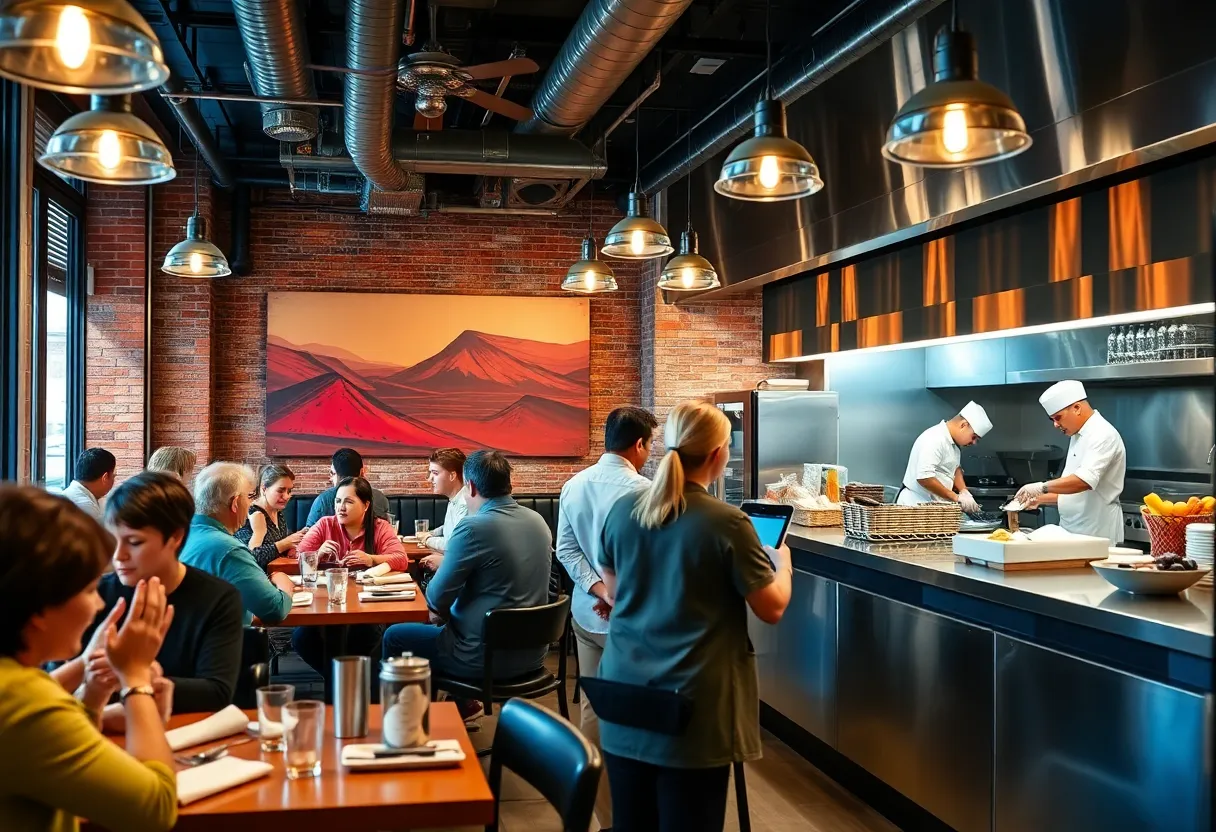
The integration of technology has become crucial in improving customer interactions. Various platforms, such as tabletop tablets, allow patrons to place orders and make payments directly from their seats. This not only streamlines the dining experience but also provides valuable insights into customer preferences. Armed with this data, restaurants can tailor marketing efforts and refine their service offerings, ensuring they meet the expectations of today’s diners.
Leveraging Data for Menu and Pricing Strategies
Data analytics is playing an increasingly vital role in developing menu offerings and pricing strategies. By analyzing sales data, restaurants can identify which dishes resonate most with customers and which are less popular. This information is essential in making informed decisions regarding menu changes and pricing adjustments, allowing restaurants to maximize profitability while keeping menus aligned with consumer tastes and market trends.
Implementing Comprehensive Management Platforms
As operations become more complex, comprehensive management platforms like Restaurant365 are becoming indispensable tools for restaurant owners. These platforms integrate various aspects of restaurant management, including accounting, inventory oversight, and labor scheduling. By leveraging real-time data and analytics, managers can make informed decisions, streamline operations across multiple locations, and enhance overall efficiency and profitability.
Adapting to the Rise of Virtual Restaurants
The rise of virtual restaurants—those that operate solely through delivery and pick-up services—has prompted many traditional dining establishments to rethink their business strategies. By analyzing consumer demand and delivery trends, restaurants can develop tailored virtual brands that cater to specific market segments, effectively optimizing resources and expanding their reach without the need for physical dining space.
Conclusion
The application of data-driven strategies is reshaping the landscape of the restaurant industry in Philadelphia. Local establishments embracing these innovative practices are not only enhancing operational efficiency but also significantly improving customer experience and driving profitability. As Philadelphia’s economy recovers and evolves, supporting these data-oriented businesses will ensure the city continues to thrive as a culinary hub.
FAQ
What are data-driven strategies in the restaurant industry?
Data-driven strategies involve using analytics and technology to inform decisions in areas such as operations, customer engagement, menu development, and pricing, aiming to enhance efficiency and profitability.
How does predictive analytics benefit restaurant operations?
Predictive analytics helps restaurants forecast demand, optimize staffing, and manage inventory effectively, leading to cost savings and improved service quality.
What role does technology play in enhancing customer engagement?
Technology, such as tabletop tablets, streamlines the dining process and collects valuable data on customer preferences, enabling personalized marketing and service improvements.
How can data analytics inform menu and pricing strategies?
By analyzing sales data, restaurants can identify popular dishes, assess profitability, and make informed decisions about menu offerings and pricing adjustments.
What is the significance of comprehensive management platforms in the restaurant industry?
Comprehensive management platforms integrate various aspects of restaurant operations, providing real-time insights and analytics that enable informed decision-making and enhanced efficiency.
How are virtual restaurants impacting traditional business models?
The rise of virtual restaurants has prompted traditional establishments to adapt by analyzing delivery data and customer preferences to develop virtual brands that cater to specific market segments.
Key Features of Data-Driven Restaurant Business Plans
| Feature | Description |
|---|---|
| Predictive Analytics | Utilizing data to forecast demand, optimize staffing, and manage inventory effectively. |
| Customer Engagement Technology | Implementing platforms like tabletop tablets to streamline dining experiences and gather customer data. |
| Menu and Pricing Optimization | Analyzing sales data to inform menu offerings and pricing strategies. |
| Comprehensive Management Platforms | Integrating various operational aspects for real-time insights and efficient decision-making. |
| Virtual Restaurant Models | Adapting to delivery-only services by analyzing data to develop virtual brands targeting specific market segments. |
Deeper Dive: News & Info About This Topic
HERE Resources
Texas Roadhouse Expands to Marlton with New Restaurant
Philadelphia Small Businesses Struggle with Rising Costs
Philadelphia Expands Business Curfew to Curb Crime
How to Use Philadelphia’s Neighborhood Charm to Find Your Perfect First Home
Concerns Emerge Over Funding Cuts to ‘Eat Right Philly’ Program
Burlington’s Main Street Businesses Face Challenges due to Construction
Fresno: Rising Investor Ownership in Real Estate Amid Market Challenges
Trump Administration Halts Immigration Raids at Farms
Fishtown Seafood Faces Uncertainty Over Canadian Oyster Tariffs
Philadelphia Business Owners Invited to Coffee and Commerce Event