

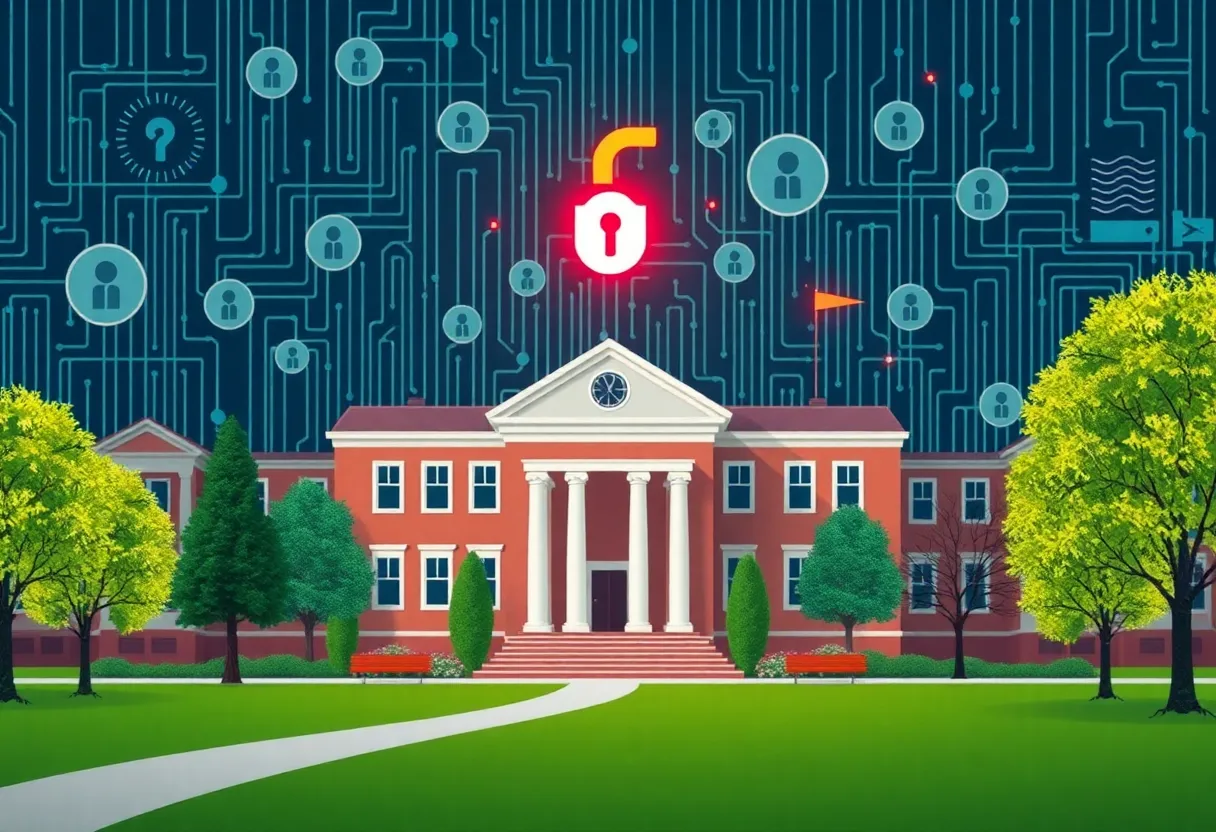
News Summary
A series of cyberattacks have recently compromised security at prestigious Ivy League universities including Harvard, Princeton, UPenn, and Columbia. These breaches, affecting personal and financial data, highlight the urgent need for universities to enhance their cybersecurity measures. The University of Pennsylvania reported a significant breach impacting its operations, while other institutions are grappling with trust and reputation challenges following these incidents. These attacks underscore the vulnerabilities within higher education amidst ongoing political and funding pressures.
Philadelphia, PA – In recent weeks, a series of significant cyberattacks have targeted some of the most prestigious Ivy League universities, including Harvard, Princeton, the University of Pennsylvania (UPenn), and Columbia. These breaches raise concerns about the security of sensitive personal and financial data, further underscoring the critical need for robust cybersecurity measures across higher education institutions.
The University of Pennsylvania, situated in Philadelphia and known for its rigorous academic programs and commitment to research and community engagement, reported a breach on October 31, 2025, impacting its development and alumni operations systems. This incident is part of a larger trend of increased cyber threats facing higher education, with substantial ramifications for both the institutions involved and their stakeholders, including students, alumni, and donors.
As these cybersecurity incidents unfold, it is imperative for educational institutions not only to address the immediate threats but also to reassess their cybersecurity strategies in light of persistent challenges across the digital landscape. This situation has highlighted the interplay between cybersecurity vulnerabilities and broader political and funding pressures faced by these elite schools.
Details of the Cyberattacks
The series of attacks began with Harvard University, which discovered a data breach on November 18, 2025. This breach involved the unauthorized access of personal information belonging to fundraisers, stemming from a vulnerability in Oracle software exploited by attackers. Harvard has since notified those affected and is providing 24 months of free credit monitoring as part of their response.
On November 10, 2025, Princeton University experienced a breach where hackers accessed a database containing donor and community information. The attackers employed a phone-based phishing scheme to infiltrate the university’s systems. Princeton is currently investigating the incident, though specific details regarding the response have not been disclosed.
At the University of Pennsylvania, internal documents were revealed, and hostile emails were sent to affiliates as part of the cyber breach on October 31, 2025. The specific methods employed by the hackers remain unspecified, but the university is actively investigating the breach and has communicated their commitment to resolving the situation.
Columbia University, another institution affected earlier in June 2025, suffered a significant breach that exposed the personal information of approximately 870,000 individuals, including Social Security numbers and health data. This attack was attributed to politically motivated hackers, further complicating the current landscape of cybersecurity for universities.
Context and Implications
These incidents have taken place against the backdrop of ongoing political tensions, notably from the White House, which has imposed freezes on billions in research funding. Concerns regarding issues such as antisemitism, admissions practices, and support for diversity programs have added pressure on these universities, making them more vulnerable to attacks. As a result, the need for enhanced cybersecurity measures and effective institutional responses has never been more pressing.
Impacts on Higher Education and Security Measures
The collective impact of these cyberattacks on the affected universities extends beyond the immediate fallout of data breaches. The compromised trust can lead to long-term ramifications for alumni relations, donor contributions, and overall university reputation. Institutions are urged to implement comprehensive cybersecurity protocols, including staff training and awareness programs, investment in advanced security measures, and collaboration with federal and state governments to bolster defenses.
In addition, the response strategies initiated by these institutions serve as case studies for others. Proactive engagement with affected individuals, including offering credit monitoring, is an essential step toward rebuilding trust and safeguarding against future incidents. This approach also reinforces the importance of transparency and accountability in higher education.
Key Features of the Cyberattacks on Ivy League Universities
| University | Date of Breach | Data Compromised | Method of Attack | Response Actions |
|---|---|---|---|---|
| Harvard University | November 18, 2025 | Personal data from fundraisers | Exploited Oracle software vulnerability | Notified affected individuals; offering 24 months of free credit monitoring |
| Princeton University | November 10, 2025 | Donor and community information | Phone-based phishing scheme | Investigating the incident; no further details provided |
| University of Pennsylvania | October 31, 2025 | Internal documents; hostile emails sent to affiliates | Details not specified | Investigating the incident; no further details provided |
| Columbia University | June 2025 | Personal information of approximately 870,000 individuals, including Social Security numbers and health data | Politically motivated hacking | Investigating the incident; no further details provided |
Conclusion
The recent cyberattacks on Ivy League universities such as the University of Pennsylvania demonstrate the vulnerabilities present in our higher education system, especially in an era marked by rising political and funding pressures. The institutions’ responses, including notifying affected individuals and implementing new security measures, are critical steps towards enhancing their defenses and restoring trust within the academic community. As students, faculty, and stakeholders look ahead, there is an opportunity to reinforce the commitment to cybersecurity, ensuring that the academic environment remains a safe and secure place for learning and growth.
We encourage readers to stay informed about university programs and initiatives focused on cybersecurity and to actively support institutional efforts aimed at fostering safe educational spaces.
FAQ
What universities have been affected by recent cyberattacks?
Harvard, Princeton, the University of Pennsylvania (UPenn), and Columbia have all experienced significant cyberattacks in the past month.
What types of data were compromised in these breaches?
The breaches led to the unauthorized access and potential theft of sensitive personal and financial data, including personal information, donor and community information, internal documents, and health data.
How did the attackers gain access to these universities’ systems?
The attackers employed various methods, including exploiting software vulnerabilities, phone-based phishing schemes, and politically motivated hacking.
What actions are the affected universities taking in response to the breaches?
The universities are investigating the incidents, notifying affected individuals, and offering support such as credit monitoring services.
How do these cyberattacks relate to political pressures from the White House?
The attacks have occurred amid political pressures from the White House, which has frozen billions in research funds and threatened accreditation over issues such as charges of antisemitism, admissions, and support for diversity programs.
Deeper Dive: News & Info About This Topic
HERE Resources
Harvard University Reports Data Breach from Phishing Attack