
10 Must-Know Tips for Designing a Beautiful Rain Garden in Philadelphia
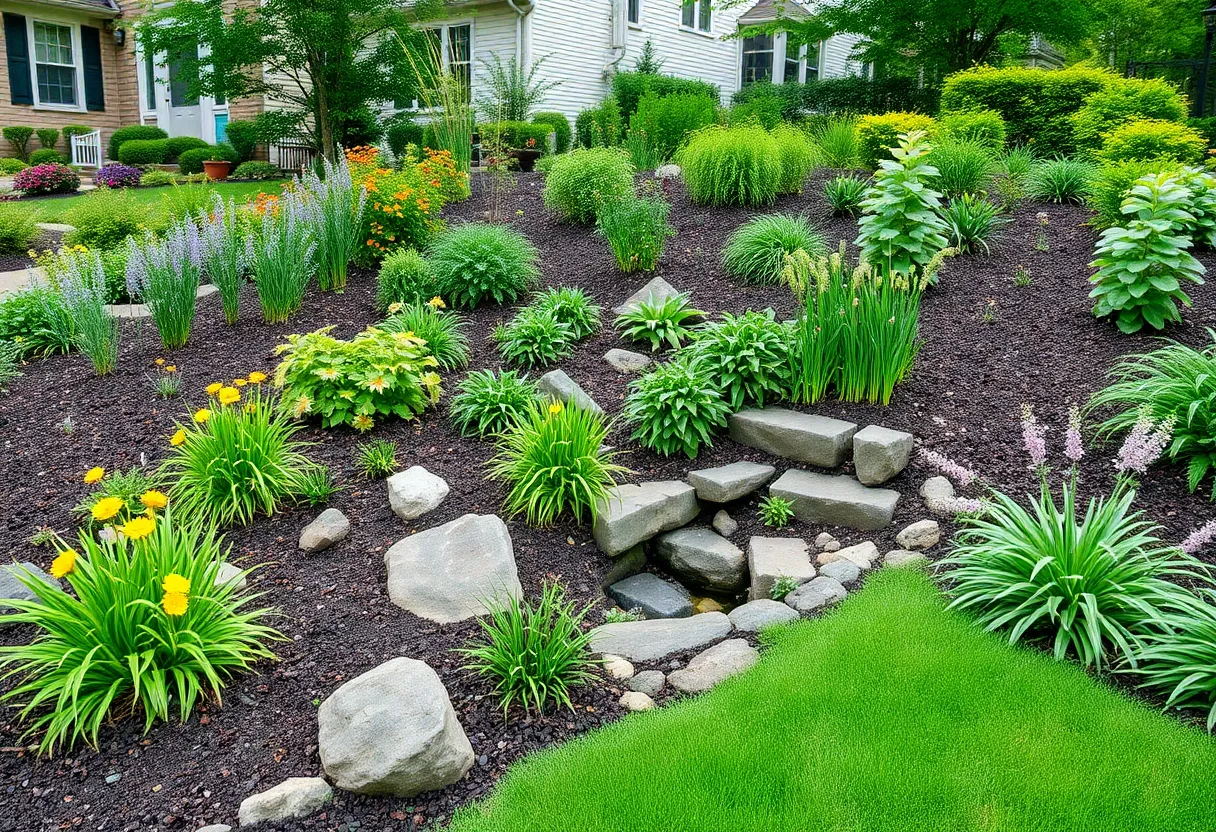
Implementing a rain garden in Philadelphia blends environmental stewardship with aesthetic enhancement. Proper design ensures effective stormwater management while creating an inviting landscape feature. Prioritizing key factors like location, soil, plants, and maintenance forms the foundation of a successful rain garden.
1. Choose an Appropriate Location
Select a site that consistently receives runoff from impervious surfaces such as roofs, driveways, or walkways. Maintaining a minimum distance of _10 feet from building foundations_ is essential to prevent water infiltration into basements or crawl spaces. Verify that the chosen site is free from underground utilities by consulting local utility maps before excavation. Proper site selection maximizes water absorption, reduces runoff, and minimizes potential damage to structures.
2. Assess Soil Drainage
Understanding your soil’s capacity to absorb water is critical. Conduct a _percolation test_ by digging a 12-inch deep hole, filling it with water, and observing the drainage rate. Ideal drainage occurs when water seeps within _24 to 48 hours_. If water remains standing longer, amend the soil with organic matter such as compost or native soil amendments to enhance infiltration. Healthy drainage prevents water pooling and promotes healthy plant growth.
3. Determine the Optimal Size
The size of your rain garden should correspond proportionally to the impervious surface it serves. A common rule is to make the garden _20-30% of the contributing surface area_. For example, a roof covering 1,000 square feet would warrant a garden between 200 and 300 square feet. Proper sizing ensures sufficient capacity to manage and filter stormwater effectively, reducing runoff volume and peak flow.
4. Design for Proper Water Flow
Incorporate a _gentle slope of 1-2%_ from the downspout outlet toward the rain garden. This gradient directs water efficiently and prevents pooling or erosion outside the designated area. An _overflow outlet_ must be integrated into the design to handle excess water during heavy storms, directing overflow safely away from foundations and neighboring properties. This approach maintains garden integrity during extreme weather events.
5. Select Native, Drought-Tolerant Plants
Choose plants adapted to Philadelphia’s climate and soil conditions. Native species require less water, fertilizer, and pest management. Incorporate a mix of _perennials, grasses, and shrubs_ to ensure year-round visual interest and habitat support. These plants help stabilize the soil, provide food and shelter for wildlife, and reduce the need for frequent maintenance.
6. Incorporate a Berm for Erosion Control
Constructing a _berm on the downhill edge_ of the rain garden helps contain water, especially during heavy storms. This raised ridge prevents erosion by slowing runoff velocity and directing water into the garden. Proper berm design stabilizes the soil and supports the longevity of the landscape feature.
7. Use Mulch to Retain Moisture and Suppress Weeds
Applying a _2-3 inch layer of shredded hardwood mulch_ helps in multiple ways. Mulch retains moisture, suppresses weed growth, and buffers soil temperature fluctuations. Shredded mulch interlocks when wet, reducing displacement during storms and protecting plant roots. Consistent mulch application simplifies routine maintenance and promotes healthy plant development.
8. Plan for Seasonal Interest
Design with a _diverse selection of plants_ that offer visual appeal across seasons. Incorporate species with different bloom periods, foliage colors, and textures to maintain an engaging landscape throughout the year. Seasonal interest enhances curb appeal and encourages continuous wildlife interactions.
9. Maintain the Garden Regularly
Initial watering is crucial until plants are established. Post-establishment, _minimal maintenance_ is required. Regularly monitor for weeds, prune dead or damaged growth, and check for signs of erosion or stagnant water. Proper upkeep prolongs the lifespan of the rain garden and preserves its functionality.
10. Consider Professional Assistance
If designing or installing a rain garden feels daunting, professional landscape architects with rain garden expertise can be invaluable. They bring specialized knowledge in plant selection, soil preparation, and construction, ensuring the garden’s durability and efficiency. Engaging professionals can optimize design outcomes and reduce trial-and-error efforts.
Executing these principles results in a _functional, attractive rain garden_ that improves stormwater management, enhances landscape aesthetics, and supports local ecosystems. Consistent planning, proper materials, and ongoing maintenance are the keys to a successful installation in Philadelphia.
Frequently Asked Questions
What is the ideal size for a rain garden in Philadelphia?
The ideal size is approximately _20-30% of the area of impervious surfaces_ contributing runoff. For example, a 1,000-square-foot roof should be paired with a garden of 200-300 square feet, ensuring sufficient capacity to manage stormwater efficiently.
Which plants are best suited for a rain garden in Philadelphia?
Native plants adapted to Philadelphia’s climate are most suitable. These include perennials like *Joe-Pye weed*, *cone flowers*, and *milkweed*, along with grasses such as *little bluestem* and *fountaingrass*, as well as shrubs like *Elderberry* and *Winterberry*. They provide resilience and year-round interest.
How often should a rain garden be maintained?
Maintenance involves regular watering during initial establishment and minimal upkeep afterward. Key tasks include removing weeds, pruning, mulching annually, and inspecting for erosion or standing water after storms. Routine checks ensure continued functionality and aesthetics.
Is professional help necessary for designing a rain garden?
While DIY projects are possible, consulting with a landscape professional experienced in rain gardens can optimize success. Professionals assist with site assessment, plant selection, soil amendments, and installation techniques, minimizing errors and maximizing benefits.
Key Features of a Well-Designed Rain Garden in Philadelphia
| Feature | Description | Importance |
|---|---|---|
| Optimal Location | Near runoff sources, away from structures, free from utility lines | Ensures effective water capture and prevents damage |
| Soil Drainage | Fast-draining soil with organic amendments if necessary | Prevents pooling and promotes healthy plant roots |
| Correct Sizing | 20-30% of contributing impervious area | Provides sufficient capacity for stormwater absorption |
| Proper Water Flow | Slope of 1-2%, overflow outlet included | Facilitates flow during storms and prevents erosion |
| Native Plant Selection | Local adapted perennials, grasses, shrubs | Supports ecosystem health with minimal maintenance |
| Mulching | 2-3 inch shredded hardwood mulch layer | Retains moisture, suppresses weeds, protects roots |
| Maintenance Plan | Regular inspection, weeding, pruning, and mulching | Ensures longevity and performance |

Author: STAFF HERE PHILADELPHIA WRITER
The PHILADELPHIA STAFF WRITER represents the experienced team at HEREPhiladelphia.com, your go-to source for actionable local news and information in Philadelphia, Philadelphia County, and beyond. Specializing in "news you can use," we cover essential topics like product reviews for personal and business needs, local business directories, politics, real estate trends, neighborhood insights, and state news affecting the area—with deep expertise drawn from years of dedicated reporting and strong community input, including local press releases and business updates. We deliver top reporting on high-value events such as Mummers Parade, Philadelphia Flower Show, and Thanksgiving Day Parade. Our coverage extends to key organizations like the Greater Philadelphia Chamber of Commerce and United Way of Greater Philadelphia, plus leading businesses in telecommunications, food services, and healthcare that power the local economy such as Comcast, Aramark, and Children's Hospital of Philadelphia. As part of the broader HERE network, we provide comprehensive, credible insights into Pennsylvania's dynamic landscape.