
Philadelphia’s Community Gardens: A Springtime Celebration of Nature, Cultivation, and Community Engagement
As the city awakens from winter, Philadelphia transforms into a lush tapestry of green, lively blooms, and vibrant activity. Central to this renewal are its community gardens—dynamic spaces that serve as urban oases, meeting grounds, and educational hubs. These gardens offer residents and visitors a unique opportunity to engage directly with nature, cultivate fresh produce, and strengthen communal bonds. This article explores ten of Philadelphia’s most inspiring community gardens, highlighting their significance, unique features, and the vital role they play in fostering a resilient, connected city.
The Role and Impact of Community Gardens in Philadelphia
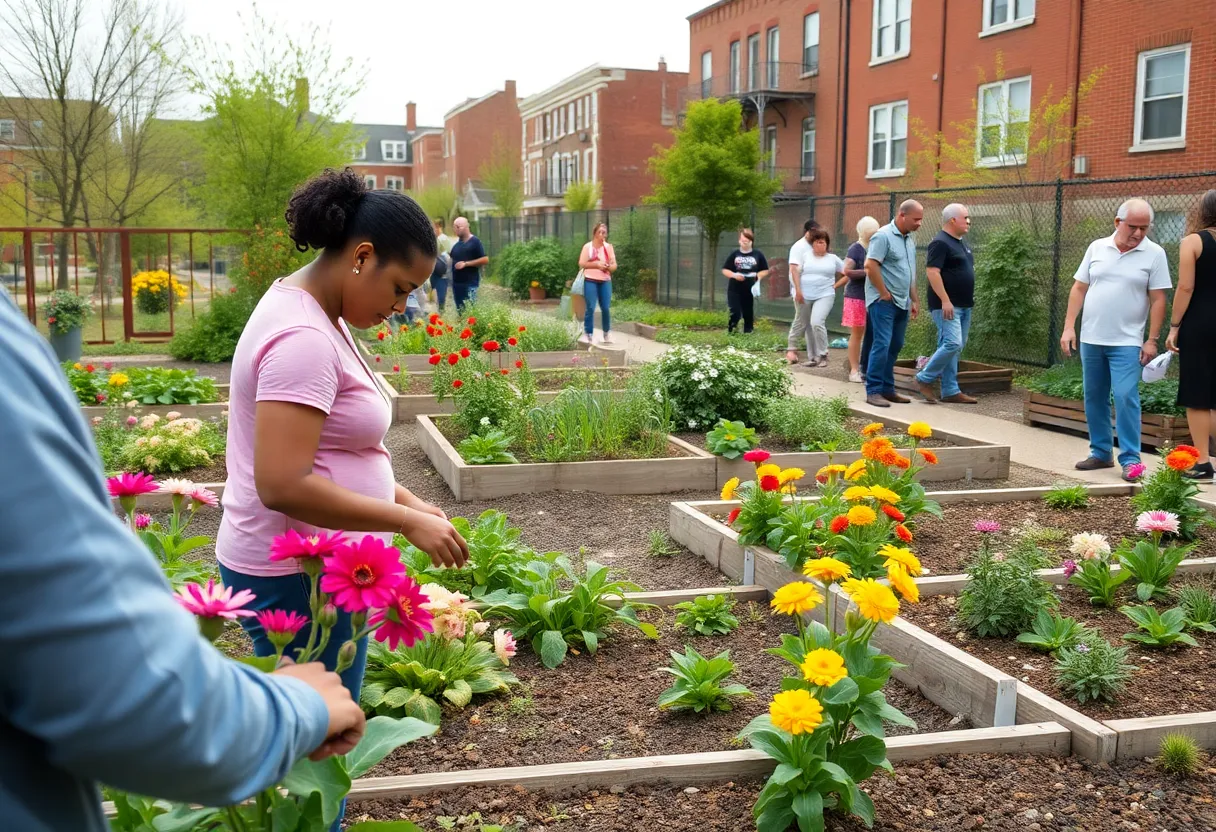
Community gardens are far more than patches of cultivated land—these are crucial urban infrastructures that promote physical and mental well-being, environmental sustainability, and social cohesion. Philadelphia’s diverse neighborhoods benefit substantially from these green spaces, which often reflect the cultural fabric of their local communities.
Key functions include:
- Providing access to fresh, local produce
- Promoting environmental stewardship and sustainability practices
- Offering educational opportunities about gardening, nutrition, and ecology
- Creating communal spaces that foster social interactions
Highlights of Philadelphia’s Notable Community Gardens
1. Schuylkill River Park Community Garden
Located at the intersection of 25th and Manning Streets, the Schuylkill River Park Community Garden covers approximately 22,000 square feet. With around 70 plots, it stands as one of the city’s longstanding green initiatives, established in 1982. This garden repurposed a former B&O Railroad station and brick yard into a thriving urban horticultural space.
Managed by the Center City Residents’ Association, it offers a tranquil setting for city dwellers seeking to grow their own fruits, vegetables, and flowers. The garden represents a successful example of converting industrial remnants into productive communal land, emphasizing restoration and green infrastructure.
2. Benjamin Rush State Park Community Gardens
Situated within Northeast Philadelphia, Benjamin Rush State Park is notable for housing one of the largest community garden complexes globally. These gardens expand the park’s natural landscape, fostering biodiversity and providing ample space for cultivation.
Gardeners here contribute significantly to enhancing the ecological diversity of the region. The space not only supports food production but also serves as an educational hub, illustrating sustainable practices in urban settings.
3. Bartram’s Garden Community Garden
Located at the historic Bartram’s Garden in Southwest Philadelphia, the Sankofa Community Farm brings together local residents to sustain a vibrant community garden. Emphasizing community engagement and sustainable agricultural practices, it offers a space where neighbors can grow food, share knowledge, and connect with nature.
As a living testament to Philadelphia’s botanical history, Bartram’s Garden combines conservation with active cultivation, promoting environmental consciousness among diverse community members.
4. People’s Kitchen Garden
The People’s Kitchen Garden is a prominent example of a community garden integrated with social services. Located in Southwest Philadelphia, it primarily focuses on growing produce to support those experiencing food insecurity.
Crops cultivated include heirloom watermelons, beans, okra, greens, herbs, tomatoes, goji berries, rice, and edible plants like purslane and dandelion. The garden not only provides fresh produce but also educates participants on sustainable farming and nutrition.
Core Features of Philadelphia’s Community Gardens
| Feature | Description |
|---|---|
| Size & Capacity | Varies from small 10’x10’ plots to expansive gardens over 22,000 sq ft, accommodating both novice gardeners and experienced growers. |
| Ownership & Management | Most gardens are managed by local organizations or resident associations, often operating through leases with city agencies or private landowners. |
| Focus & Purpose | Some gardens emphasize food production, others prioritize community engagement, environmental sustainability, or educational programs. |
| Cultivated Plants | Includes vegetables, herbs, flowers, native plants, and specialty crops like rice or heirloom varieties, reflecting cultural diversity. |
| Community Involvement | Participation ranges from individual plots to neighborhood-wide initiatives; many gardens host workshops, events, and volunteer days. |
Benefits and Challenges of Community Gardening in Philadelphia
Engagement in community gardening yields multiple benefits:
- Improves access to nutritious, locally grown food
- Enhances urban biodiversity and environmental health
- Fosters social interaction and cultural exchange
- Supports mental health by providing connection with nature
However, challenges also persist:
- Securing ongoing land access can be difficult in dense urban areas
- Funding and resources for maintenance and programs often depend on community efforts
- Vandalism or neglect can threaten the sustainability of these spaces
- Providing equitable access across diverse neighborhoods remains an ongoing concern
Looking Ahead: The Future of Community Gardens in Philadelphia
Philadelphia continues to expand its network of community gardens, highlighting the city’s commitment to sustainability and community development. Initiatives focus on increasing accessibility, cultural inclusivity, and education to ensure gardens serve a broad demographic spectrum.
The integration of green infrastructure in urban planning underscores the vital role gardens will play in addressing environmental and social challenges ahead. Technological innovations like rainwater harvesting, composting, and urban farming techniques are increasingly incorporated to maximize ecological benefits.
Conclusion
Philadelphia’s community gardens stand as vital urban assets in the spring awakening. They embody a diverse range of functions—recreation, nourishment, education, and cultural identity—and foster an enduring sense of community. As neighborhoods continue to embrace these green spaces, they contribute to a more sustainable, equitable, and vibrant city for all residents and visitors to enjoy.
Frequently Asked Questions
What are community gardens in Philadelphia?
Community gardens in Philadelphia are shared green spaces where residents can grow plants, vegetables, flowers, and herbs. These spaces promote sustainability, social interaction, and access to fresh produce.
Who manages Philadelphia’s community gardens?
Most gardens are managed by neighborhood associations, community groups, or resident committees, often in coordination with city agencies or private landholders.
What types of plants are typically grown in these gardens?
Common plants include vegetables, herbs, native flowers, and culturally significant crops like rice, watermelons, and heirloom varieties.
How do community gardens benefit Philadelphia residents?
They provide access to fresh food, promote environmental awareness, foster social bonds, reduce urban heat, and serve as educational platforms for sustainable practices.
Key Features Comparison of Philadelphia’s Community Gardens
| Feature | Description |
|---|---|
| Size & Capacity | Ranges from small 10’x10’ plots to large gardens over 22,000 sq ft, accommodating diverse community needs. |
| Management | Typically managed by neighborhood organizations, with some leased directly from city entities or private owners. |
| Focus & Purpose | Varies; some emphasize food cultivation, others prioritize community gathering, education, or ecological restoration. |
| Cultivated Plants | Includes vegetables, herbs, native plants, ornamental flowers, and culturally significant crops. |
| Community Engagement | Participates in workshops, volunteer activities, neighborhood events, and collaborative planting projects. |