

News Summary
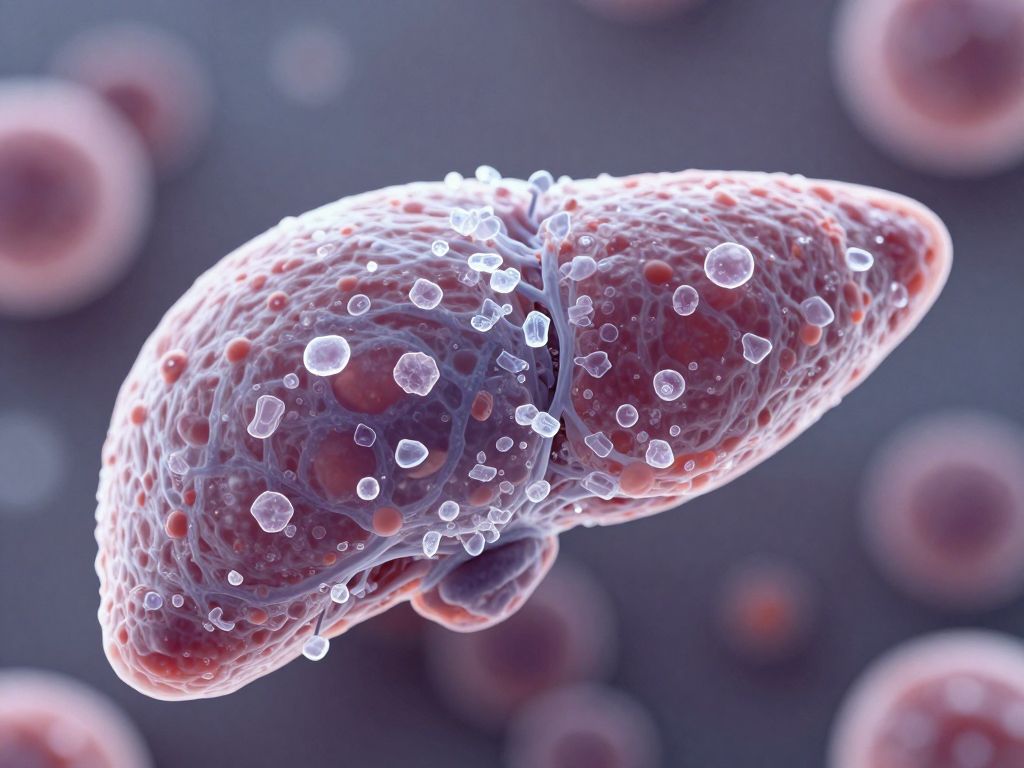
Researchers at the Perelman School of Medicine have discovered that cholesterol crystals in the liver may act as a key trigger for certain liver diseases. This significant finding reveals that these crystals could contribute to liver stiffness, which is pivotal in the progression of liver health conditions. The research opens new avenues for diagnosis and potential treatments, highlighting the complex role of cholesterol metabolism in liver diseases and providing insights into the relationship between cholesterol-related health issues.
Philadelphia, Pennsylvania
Researchers at the Perelman School of Medicine at the University of Pennsylvania have identified that cholesterol crystals in the liver may serve as a previously unrecognized trigger for certain types of liver disease. This discovery, announced on February 10, 2026, suggests that these crystals could contribute to the stiffening of livers in affected individuals, opening new avenues for understanding and potentially treating these conditions.
The presence of these crystalline structures within the liver tissue appears to play a crucial role in the progression of liver stiffening, a hallmark of various liver diseases. This insight could profoundly impact how these conditions are diagnosed and managed in the future.
Understanding the Mechanism of Liver Stiffening
The research from Penn Medicine focuses on how these cholesterol crystals physically alter the liver’s integrity, leading to its stiffening. This process is a significant indicator of disease severity and progression in many liver ailments. The new findings propose that the microscopic sharp edges of these crystals could directly contribute to cellular damage and inflammation, triggering the fibrotic response that results in a stiffer liver. This mechanical irritation and subsequent biological reaction could explain why some individuals develop more severe forms of liver disease, even with similar risk factors.
While the exact pathways are still being elucidated, the implication is that reducing or preventing the formation of these cholesterol crystals could be a therapeutic target. This research adds a new dimension to the understanding of liver pathology, moving beyond the traditional focus on lipid accumulation and inflammation to consider the physical state of cholesterol within the liver cells. The stiffening of the liver can impair its vital functions, leading to complications that range from impaired detoxification to severe liver failure, underscoring the importance of this new understanding.
Broader Implications for Liver Health and Related Conditions
This discovery from the Perelman School of Medicine sheds light on a potential common underlying mechanism for liver disease progression. The role of cholesterol in various bodily processes, and especially in disease, is well-documented. For instance, the formation of gallstones, which are hardened elements primarily composed of cholesterol and bilirubin, is another example of cholesterol crystallization leading to health issues. Understanding how cholesterol crystals contribute to liver stiffening could provide critical links between seemingly disparate conditions involving cholesterol metabolism.
Furthermore, this research complements existing knowledge about the broader impact of cholesterol on vascular health. The process of atherosclerosis, for example, involves several stages, including low-density lipoprotein-cholesterol trapping, activation of endothelial cells, leukocyte activation, foam cell formation, and atheroma formation. These processes highlight the systemic nature of cholesterol-related pathologies and suggest that similar molecular events might be at play in different organs, including the liver.
The findings could lead to the development of new diagnostic tools capable of detecting these cholesterol crystals early, allowing for timely intervention. It may also pave the way for novel treatments aimed at dissolving these crystals or preventing their formation, thereby mitigating liver stiffening and disease progression. Current research continues to explore various factors influencing liver health, with some studies suggesting that certain interventions, such as the regular intake of caffeine, may delay the progression of liver disease by influencing liver enzymes and potentially delaying the development of cirrhosis. While separate from the new cholesterol crystal findings, such observations underscore the complex interplay of diet, lifestyle, and molecular mechanisms in maintaining liver health.
The identification of cholesterol crystals as a potential hidden trigger for liver disease represents a significant step forward in understanding the complex etiologies of liver ailments. Researchers at Penn Medicine anticipate that this work will stimulate further investigations into the precise mechanisms by which these crystals induce liver damage and will ultimately lead to improved patient outcomes.
Frequently Asked Questions
What did Penn Medicine researchers discover about cholesterol crystals?
Researchers at the Perelman School of Medicine at the University of Pennsylvania discovered that cholesterol crystals in the liver may serve as a previously unrecognized trigger for certain types of liver disease.
When was this discovery announced?
This discovery was announced on February 10, 2026.
How do cholesterol crystals affect the liver?
The discovery suggests that cholesterol crystals could contribute to the stiffening of livers in affected individuals.
Are there other health issues related to cholesterol crystals?
Yes, gallstones are hardened elements primarily composed of cholesterol and bilirubin, which is another example of cholesterol crystallization leading to health issues.
What is atherosclerosis?
Atherosclerosis is a process involving low-density lipoprotein-cholesterol trapping, activation of endothelial cells, leukocyte activation, foam cell formation, and atheroma formation.
Can caffeine influence liver disease?
Some studies suggest that caffeine may delay the progression of liver disease by influencing liver enzymes and potentially delaying the development of cirrhosis.
Key Features of the Discovery
| Discovery Focus | Cholesterol crystals as a hidden trigger for some liver diseases. |
| Research Institution | Perelman School of Medicine at the University of Pennsylvania. |
| Impact on Liver | May cause the stiffening of livers in affected individuals. |
| Related Conditions | Gallstones (hardened elements of cholesterol), Atherosclerosis (involving LDL-cholesterol trapping, foam cell formation). |
| Potential Benefits | Improved understanding, new diagnostic tools, and novel treatments for liver disease. |
Deeper Dive: News & Info About This Topic
HERE Resources
Aqua Pennsylvania Secures $17.35 Million for Water Quality Improvements
Ecolab Opens New Bioprocessing Applications Lab in King of Prussia

Author: STAFF HERE PHILADELPHIA WRITER
The PHILADELPHIA STAFF WRITER represents the experienced team at HEREPhiladelphia.com, your go-to source for actionable local news and information in Philadelphia, Philadelphia County, and beyond. Specializing in "news you can use," we cover essential topics like product reviews for personal and business needs, local business directories, politics, real estate trends, neighborhood insights, and state news affecting the area—with deep expertise drawn from years of dedicated reporting and strong community input, including local press releases and business updates. We deliver top reporting on high-value events such as Mummers Parade, Philadelphia Flower Show, and Thanksgiving Day Parade. Our coverage extends to key organizations like the Greater Philadelphia Chamber of Commerce and United Way of Greater Philadelphia, plus leading businesses in telecommunications, food services, and healthcare that power the local economy such as Comcast, Aramark, and Children's Hospital of Philadelphia. As part of the broader HERE network, we provide comprehensive, credible insights into Pennsylvania's dynamic landscape.