

How to Create a Stunning Butterfly Garden in Philadelphia’s Urban Landscape
Introduction
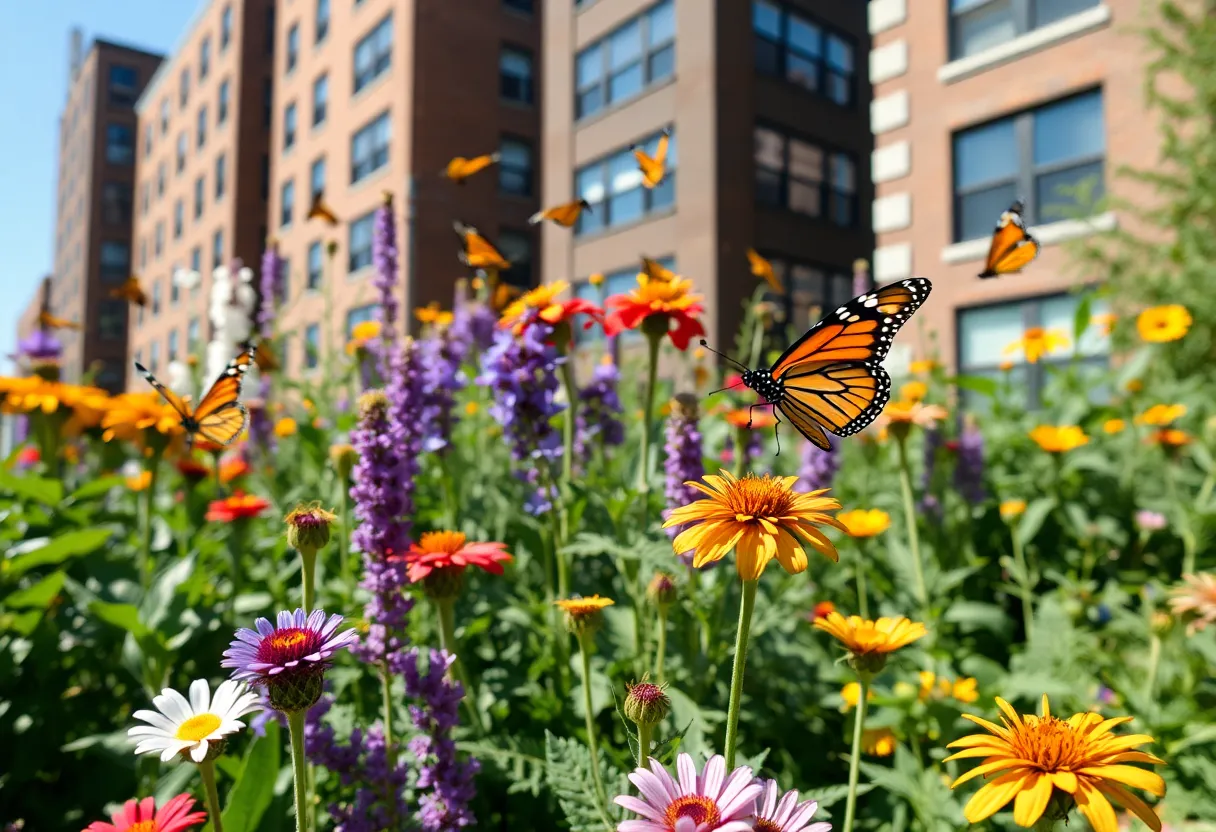
Designing a butterfly garden amidst Philadelphia’s urban environment combines ecological responsibility with aesthetic enhancement. By thoughtfully selecting native plants and creating habitats aligned with local butterfly behaviors, you foster biodiversity right in your backyard or community space. This process not only beautifies spaces but also supports declining pollinator populations essential for ecosystem health.
Understanding Philadelphia’s Butterfly Species
Philadelphia provides a habitat for a diverse array of butterfly species, each with distinct needs and behaviors:
Monarch Butterfly (Danaus plexippus)
The Monarch, recognized for its vivid orange, black, and white patterning, is a migratory species. It arrives in Philadelphia from late spring through fall, often feeding on nectar-rich native plants. Its caterpillars exclusively feed on milkweed, making this plant indispensable for supporting Monarch populations.
Eastern Tiger Swallowtail (Papilio glaucus)
This large butterfly displays striking yellow wings with black bands. It favors open fields, meadows, and woodland edges during spring and summer, seeking nectar from a variety of native flowering plants.
Black Swallowtail (Papilio polyxenes)
Known for its black wings with yellow spots, the Black Swallowtail uses plants like Queen Anne’s lace and dill as host plants. It is common throughout the warmer months in gardens and open habitats.
Red Admiral (Vanessa atalanta)
With black wings accented by white spots and orange bars, the Red Admiral is often seen fluttering in sunny gardens during spring and summer. It favors nectar sources such as asters and perennials.
Cabbage White (Pieris rapae)
This small white butterfly with black tips emerges early in spring and remains active through fall. Its larvae primarily feed on cabbage and cruciferous plants, making it a familiar sight in vegetable gardens.
Essential Native Plants for Your Butterfly Garden
Native plants are fundamental for creating effective and sustainable habitats. They provide vital nectar and serve as host plants for caterpillars. Here are some of the top choices tailored for Philadelphia’s climate:
Milkweed (Asclepias spp.)
Critical for Monarchs, milkweed offers both nectar and larval host support. Native species like Common milkweed are highly recommended for their adaptability and support for Monarch breeding.
Purple Coneflower (Echinacea purpurea)
This perennial’s daisy-like form produces abundant nectar from mid-summer to fall. It attracts various butterflies and visual interest to the garden.
Bee Balm (Monarda didyma)
Favored for its tubular, colorful flowers, bee balm supports many nectar-feeding insects, including butterflies and hummingbirds. It blooms in mid to late summer.
Joe-Pye Weed (Eutrochium purpureum)
This tall perennial provides large clusters of pink-purple flowers. It blooms from late summer through early fall, making it a key nectar source during the late season.
Blazing Star (Liatris spicata)
The vertical spikes of purple flowers attract butterflies seeking nectar, particularly in late summer. Its architectural form enhances landscape diversity.
Golden Alexander (Zizia aurea)
Blooming early in the spring, this bright yellow-flowered perennial supplies nectar early in the season, supporting emerging pollinators.
Philadelphia Fleabane (Erigeron philadelphicus)
Commonly found along roadsides, this wildflower benefits butterflies by providing early nectar, thriving in full sun and well-drained soil.
Phlox (Phlox spp.)
With many species available, phlox offers fragrant, nectar-rich flowers throughout summer, supporting adult butterflies and larvae alike.
Swamp Milkweed (Asclepias incarnata)
Preferring moist to wet soils, this species is a major Monarch host plant and nectar source, thriving in diverse conditions.
Butterfly Weed (Asclepias tuberosa)
Resilient and drought-tolerant, Butterfly Weed blooms from June through August, ideal for poor, dry soils, and attracts butterflies consistently.
Dwarf Blazing Star (Liatris microcephala)
Blooming later in the season, this diminutive species provides magenta-purple spike flowers in late summer to early fall, extending nectar availability.
Appalachian Mountain Mint (Pycnanthemum flexuosum)
Blooms from July to September, offering plentiful nectar and serving as a pollinator magnet in native landscapes.
False Goat’s Beard (Astilbe arendsii)
Ideal for shaded areas, this plant adds color with fluffy flower plumes, attracting specific pollinators and supporting habitat diversity.
Designing Your Butterfly Garden
Strategic planning maximizes butterfly visitation and habitat sustainability. Focus on the following principles:
Sunlight
Position your garden in a location that receives a minimum of six hours of direct sunlight daily. Sunlight fuels nectar production and butterfly activity.
Shelter
Incorporate native shrubs and small trees. These structures shield butterflies from wind, predators, and extreme weather conditions.
Water Source
Create shallow water features, such as birdbaths with stones or pebbles. Providing hydration is often overlooked but essential for butterfly survival.
Diverse Planting
Combine nectar plants with larval host plants to support all life stages. Diversity ensures continuous food availability across seasons.
Continuous Bloom
Select plants with staggered bloom periods—early spring through late fall—to sustain nectar sources year-round.
Minimal Pesticide Use
Avoid chemical pesticides. They are harmful to butterflies and beneficial insects, undermining your garden’s ecological integrity.
Maintaining Your Butterfly Garden
Active management ensures longevity and health:
Pruning
Remove dead or diseased plant matter promptly. Proper pruning promotes healthy growth and rejuvenates floral display.
Watering
Maintain soil moisture, especially during droughts. Consistent watering supports plant vigor and nectar production.
Monitoring
Regularly inspect for pests or diseases. Early intervention prevents major damage that could jeopardize butterfly stages.
Seasonal Care
In autumn, cut back perennials and apply mulch. These practices protect roots during cold months and prepare the garden for spring growth.
Conclusion
Establishing a butterfly garden in Philadelphia’s urban setting offers ecological benefits and visual rewards. Prioritize native plants and thoughtful design. Your efforts support local butterfly populations and contribute to urban biodiversity. With regular maintenance, your garden becomes a vibrant sanctuary that welcomes the fluttering diversity of nature.
FAQ
What are the best native plants for attracting butterflies in Philadelphia?
Key native plants include milkweed, purple coneflower, bee balm, Joe-Pye weed, blazing star, golden Alexander, and swamp milkweed. These provide nectar and larval host plants essential to local butterfly species.
How much sunlight is ideal for a butterfly garden?
A minimum of six hours of direct sunlight daily optimizes nectar production and butterfly activity.
Can I create a butterfly garden in small urban spaces?
Yes. Even small pockets of native plantings, containers, or balcony gardens can attract butterflies if they include sufficient nectar and host plants, and are positioned in sunny, protected locations.
What common mistakes should I avoid when designing a butterfly garden?
Avoid using pesticides, selecting non-native plants, and neglecting continuous bloom timing. Also, ensure water sources are shallow and accessible.
How can I support butterfly populations during winter in Philadelphia?
Leave seed heads and plant debris for overwintering caterpillars and chrysalises. Mulch perennials to protect roots, and avoid disturbing hibernation sites.
Key Features of a Successful Butterfly Garden in Philadelphia
| Feature | Details |
|---|---|
| Native Plant Selection | Prioritize native species that provide nectar and larval hosts well-suited to Philadelphia’s climate. |
| Sunlight Exposure | Minimum of six hours of direct sunlight daily ensures optimal nectar production and butterfly activity. |
| Habitat Diversity | Combine taller plants for nectar with low-growing host plants to support various butterfly stages. |
| Water Sources | Shallow dishes or birdbaths with stones provide essential hydration for butterflies. |
| Minimal Pesticide Use | Avoid chemicals that can harm pollinators and disrupt ecological balance. |
| Continuous Bloom | Plant varieties with staggered blooming times to maintain nectar supplies throughout the season. |

Author: STAFF HERE PHILADELPHIA WRITER
The PHILADELPHIA STAFF WRITER represents the experienced team at HEREPhiladelphia.com, your go-to source for actionable local news and information in Philadelphia, Philadelphia County, and beyond. Specializing in "news you can use," we cover essential topics like product reviews for personal and business needs, local business directories, politics, real estate trends, neighborhood insights, and state news affecting the area—with deep expertise drawn from years of dedicated reporting and strong community input, including local press releases and business updates. We deliver top reporting on high-value events such as Mummers Parade, Philadelphia Flower Show, and Thanksgiving Day Parade. Our coverage extends to key organizations like the Greater Philadelphia Chamber of Commerce and United Way of Greater Philadelphia, plus leading businesses in telecommunications, food services, and healthcare that power the local economy such as Comcast, Aramark, and Children's Hospital of Philadelphia. As part of the broader HERE network, we provide comprehensive, credible insights into Pennsylvania's dynamic landscape.