
How to Choose the Best Philly Neighborhood for Your Custom Home Build: Essential Tips for Homebuyers
Selecting the right neighborhood in Philadelphia for your custom home requires careful, strategic decision-making. The city’s rich diversity offers a broad spectrum of communities, each with unique characteristics, amenities, and lifestyles. Making an informed choice involves evaluating multiple factors that align with your personal preferences, financial considerations, and long-term goals. This comprehensive guide walks you through essential tips to identify the Philadelphia neighborhood that best fits your vision for a custom-built home.
1. Assess Your Lifestyle and Preferences
The foundation of choosing the ideal neighborhood begins with a clear understanding of your lifestyle needs and preferences.
- Commute and Accessibility: Consider proximity to your workplace, schools for your children, and public transportation options. A short, manageable commute enhances daily convenience, reduces stress, and saves commuting costs.
- Community Vibe: Determine whether you gravitate towards the energy of a lively urban environment, the tranquility of suburban neighborhoods, or areas known for cultural vibrancy such as arts districts or music scenes. Your daily living experience hinges on this choice.
- Amenities: Identify essential services like grocery stores, healthcare facilities, recreational parks, gyms, and entertainment venues. Proximity to these amenities affects convenience and quality of life.
Understanding how each neighborhood aligns with your individual or family needs ensures you focus on areas where you will thrive long-term.
2. Explore Philadelphia’s Notable Neighborhoods
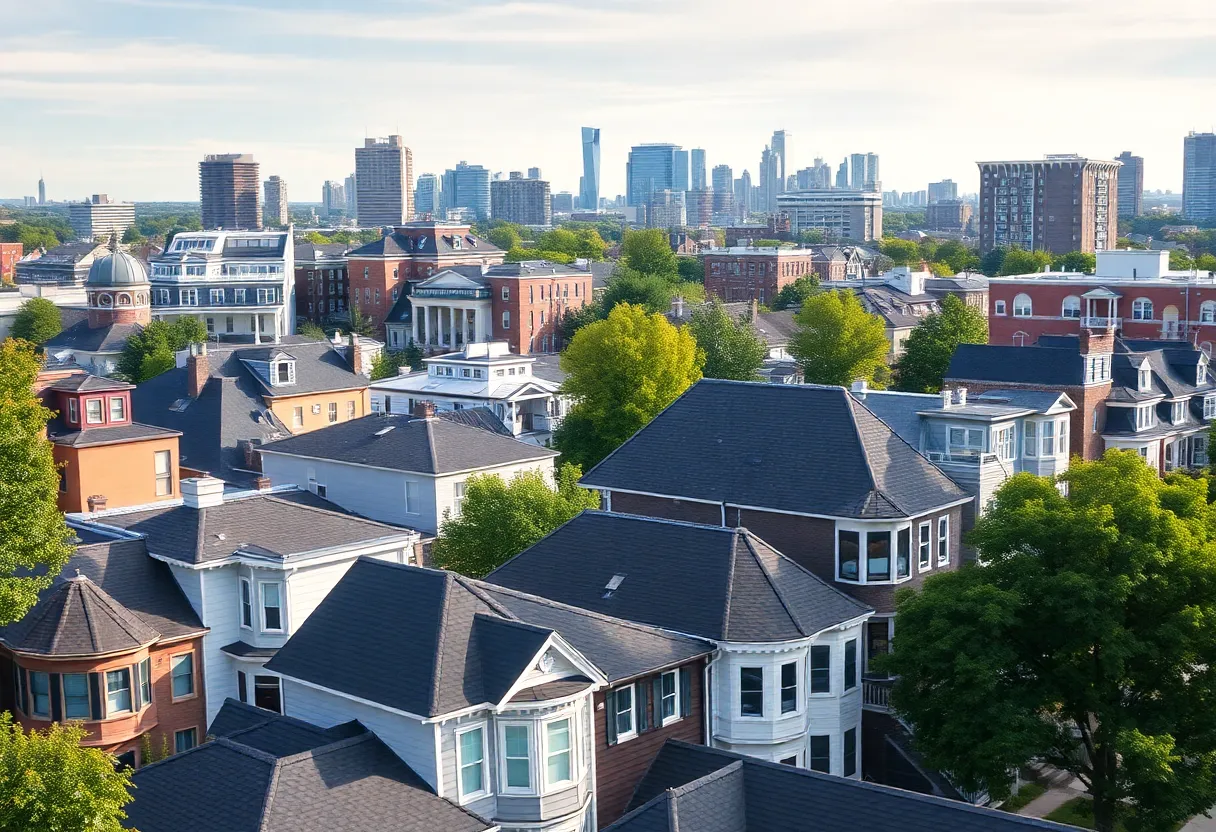
Philadelphia’s diverse neighborhoods illustrate a wide array of lifestyles, architecture, and community atmospheres. Familiarity with these areas helps narrow down options.
Fishtown
Originally an industrial hub, Fishtown has evolved into a trendy hotspot renowned for its vibrant arts scene, eclectic eateries, and walkable streets. Its proximity to downtown makes it ideal for young professionals seeking modern homes, nightlife, and cultural venues. The neighborhood’s innovative spirit attracts those craving an urban, dynamic environment. Learn more about Fishtown.
Chestnut Hill
Often called “Philadelphia’s Garden District,” Chestnut Hill offers scenic, tree-lined streets, historic architecture, and boutique shopping. Its Affluence and tranquility attract families and retirees seeking a peaceful lifestyle with easy access to Center City via regional rail. The area’s historic charm and natural beauty make it a quintessential choice for those valuing architectural preservation and community elegance. Explore Chestnut Hill.
Graduate Hospital
Nestled southwest of Center City, Graduate Hospital (or “Graduate Ave”) blends urban convenience with a lively neighborhood atmosphere. Known for its mix of historic rowhomes, modern townhouses, and new developments, it attracts young professionals and small families. Its walkability, parks, and proximity to nightlife make it a vibrant yet accessible neighborhood. Discover more about Graduate Hospital.
Northern Liberties
This area has shifted from an industrial site to a hub for contemporary urban living. Known for its chic condos, rooftop decks, and green spaces, Northern Liberties appeals to buyers interested in modern amenities paired with a strong neighborhood feel. Its proximity to downtown ensures convenient access to employment hubs, entertainment, and cultural events. Find out more about Northern Liberties.
East Falls
Located along the Schuylkill River, East Falls offers a blend of urban conveniences and outdoor recreation. It features parks, bike paths, and access to river trails, attracting nature enthusiasts. Its residential charm, combined with affordability, makes East Falls suitable for those seeking a more relaxed pace without sacrificing connectivity to the city’s core. Learn more about East Falls.
3. Evaluate Real Estate Market Trends
A thorough understanding of current and projected real estate trends in your chosen neighborhood ensures your investment’s security.
- Property Values: Investigate current listing prices and historical appreciation rates. Rising property values suggest a thriving market with potential for equity growth.
- Market Demand: High demand often signals limited inventory, which can result in competitive bidding. Understanding demand helps set realistic expectations.
- Future Developments: Local planning initiatives, new infrastructure projects, or commercial developments can significantly influence property values over time. Keep informed about city plans affecting your area of interest.
Insights into market trends support a strategic decision aligned with your financial goals.
4. Consider Architectural Styles and Building Regulations
Philadelphia’s architectural landscape ranges from historic colonial structures to modern contemporary designs.
- Historic Preservation Zones: Neighborhoods like Society Hill enforce strict building codes to preserve architectural integrity. Constructing or modifying homes here demands adherence to design standards.
- Modern and Custom Designs: Areas such as Northern Liberties provide more flexibility for innovative architectures and custom home features.
- Zoning Laws: Ensure your building plans conform to local zoning regulations, which address lot size, height restrictions, setbacks, and permissible use. Consultation with local authorities and professionals mitigates compliance issues.
Matching your architectural vision with neighborhood regulations ensures a seamless build process.
5. Assess Community and Lifestyle
Community character influences everyday living experience profoundly.
- Demographics: Review age ranges, cultural backgrounds, and household types. Some neighborhoods are more family-oriented, while others cater to singles or retirees.
- Community Engagement: Active neighborhood associations, community events, and local initiatives foster connectivity and safety.
- Safety and Security: Research crime statistics, participate in neighborhood visits, and talk with residents. This information guides risk assessment and comfort level.
A vibrant, safe community enhances satisfaction with your investment.
6. Analyze Financial Implications
Understanding the financial scope of building a custom home in Philadelphia guards against unexpected expenses.
- Construction Costs: The average range spans from $145,000 to $435,000 depending on the home’s size, complexity, and finishings. Customization, high-end finishes, or unique features increase costs.
- Property Taxes: Tax rates fluctuate across neighborhoods, influenced by property assessments and local policies. Accurate estimation aids long-term budgeting.
- Financing Options: Explore mortgage programs, construction loans, and potential incentives like tax abatements or grants offered by city programs. Pre-approval and consultation streamline funding.
Careful financial planning ensures your project remains sustainable.
7. Visit and Experience the Neighborhood
Firsthand experience is invaluable before locking in your choice.
- Walkability: Spend time walking through the streets to assess ambiance, convenience, and pedestrian infrastructure.
- Engage with Residents: Conversations reveal valuable insights into community life, safety, and local quirks.
- Participate in Events: Attend local markets, festivals, or neighborhood gatherings to gauge cultural vibrancy and community spirit.
Seeing is believing. Your visit helps clarify if a neighborhood aligns with your expectations.
8. Consult with Local Real Estate Professionals
Experts provide tailored insights, easing the complexities inherent in building new homes.
- Real Estate Agents: They possess detailed market knowledge, helping you identify suitable areas and verify pricing trends.
- Architects and Builders: Local professionals understand neighborhood-specific design challenges, zoning, and building codes. Their expertise optimizes your plans.
- Legal Advisors: Ensuring all permits, contracts, and regulatory compliance are met mitigates legal risks.
Partnering with experienced consultants provides confidence in your project.
9. Plan for Future Growth and Resale Value
Anticipating long-term prospects boosts your investment’s return.
- Neighborhood Development: Areas undergoing revitalization or infrastructure improvements usually appreciate faster, increasing your property’s value.
- Resale Potential: Choose locations with broad appeal, good schools, and desirable amenities to attract future buyers.
- Economic Indicators: Monitor employment rates, new business openings, and city planning initiatives that influence neighborhood growth.
Long-term strategic planning secures your investment and peace of mind.
10. Prioritize Personal Satisfaction
While data and trends inform your decision, personal preference ultimately shapes satisfaction.
- Emotional Connection: Select a neighborhood where you feel comfortable and at home.
- Lifestyle Compatibility: Ensure that the neighborhood’s pace, culture, and environment align with your family’s values and goals.
- Longevity: Consider whether the community will serve your evolving needs over decades.
Your happiness-inhabiting your new home ultimately depends on your personal comfort and fulfillment.
Frequently Asked Questions (FAQ)
What are the most affordable neighborhoods in Philadelphia for building a custom home?
Neighborhoods like Roxborough and East Falls typically offer more affordable options, with average home prices around $350,000 to $450,000. These areas provide good value for those looking to customize without overspending.
Which Philadelphia neighborhoods are known for their historic charm?
Neighborhoods like Society Hill and Chestnut Hill are renowned for their historic architecture, featuring colonial and Victorian-era buildings, with charming streets perfect for traditional or preservation-focused construction.
How do property taxes vary across Philadelphia neighborhoods?
Property tax rates differ depending on assessed values and local policies in each neighborhood. Consult with local real estate experts or the city’s tax office for specific, current rates tailored to your target area.
Are there any incentives for building a custom home in Philadelphia?
Philadelphia offers incentives such as tax abatements, grants, and development rebates, especially in designated revitalization zones. Check with city agencies for current programs and eligibility requirements.
How can I assess the safety of a Philadelphia neighborhood?
Research local crime statistics, visit the neighborhood at different times, and engage with residents to obtain a realistic assessment of safety and community health.
Key Features of Philadelphia Neighborhoods for Custom Home Builds
| Neighborhood | Average Home Price | Architectural Style | Community Type | Access to amenities |
|---|---|---|---|---|
| Fishtown | $500,000–$900,000 | Modern, Industrial Revival | Arts & Nightlife | High |
| Chestnut Hill | $750,000–$1,500,000 | Historic, Colonial Revival | Suburban, Upscale | Moderate |
| Graduate Hospital | $400,000–$700,000 | Mixed: Vintage & Contemporary | Urban, Family-Friendly | High |
| Northern Liberties | $600,000–$1,000,000 | Modern & Eclectic | Trendy Urban | High |
| East Falls | $350,000–$550,000 | Traditional, Columned | Residential, Nature-Accessible | Moderate |