

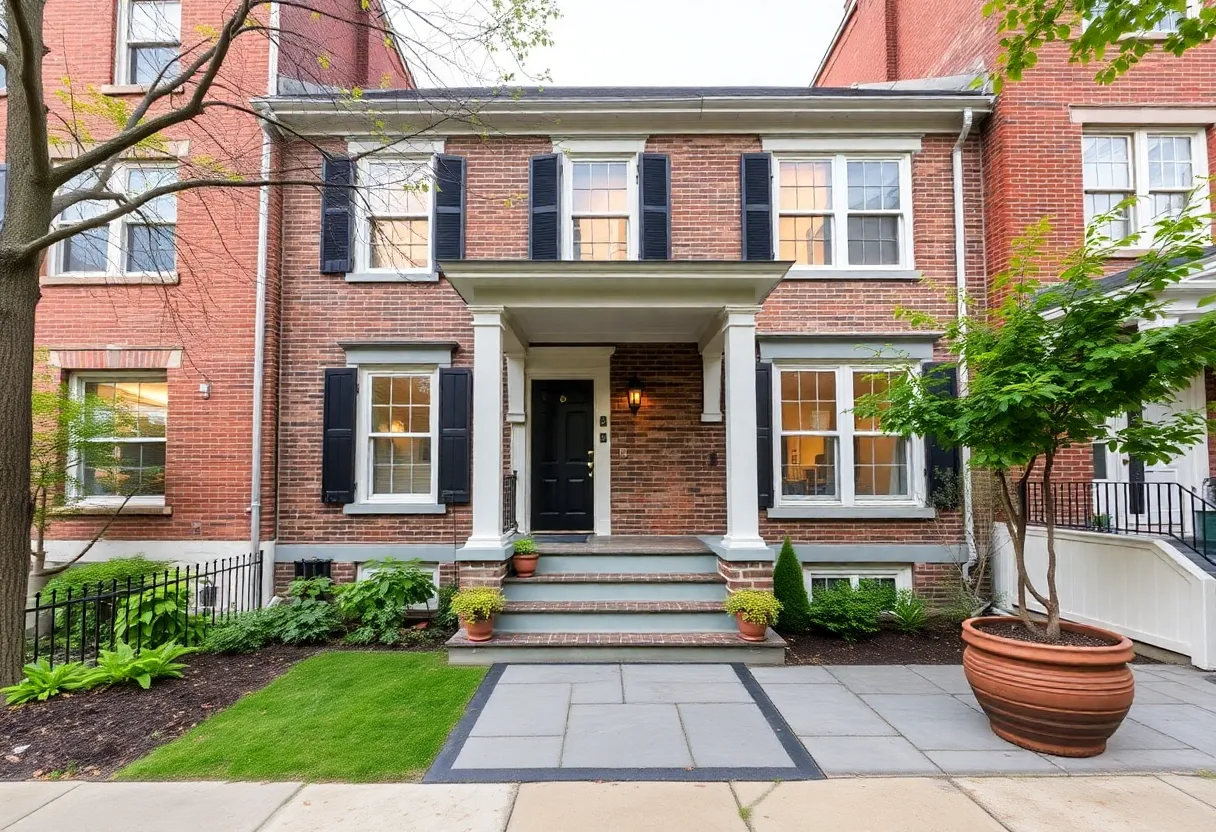
How to Successfully Navigate the Philadelphia Home Renovation Process: Essential Tips for Homeowners
1. Assess Your Renovation Goals and Budget
Prior to launching any home renovation, *precise planning is essential*. Clarify what improvements you seek, whether it’s updating a kitchen, expanding living space, or restoring a historic façade. Establish realistic and flexible budgets, considering typical costs in Philadelphia. The average full-house renovation costs range from $140 to $300 per square foot, influenced by project scope, materials, and craftsmanship quality. Recognizing this spectrum helps prevent overextension and guides prioritization. Accurate goal setting ensures you align renovation efforts with your financial capacity, enabling sustainable project management.
2. Understand Philadelphia’s Permit Requirements
Permitting is a critical component in ensuring a legal and compliant renovation. Philadelphia’s Department of Licenses and Inspections (L&I) mandates permits for *structural modifications, electrical upgrades, plumbing, and exterior alterations*. Some minor projects qualify for the *EZ Permits* system, which expedites approval processes through simplified application procedures and less documentation. Properties listed on the Philadelphia Register of Historic Places face additional restrictions; exterior renovations—from brickwork to window replacement—must secure approval from the Philadelphia Historical Commission. Familiarity with these requirements ensures timely approvals, avoiding fines or project delays.
3. Hire a Licensed General Contractor
Selecting a *licensed, experienced contractor* is paramount. Your contractor should be well-versed in Philadelphia’s building codes and permit procedures. Verification involves checking credentials, insurance coverage, and tax compliance. A reputable contractor will handle permit applications, schedule inspections, and ensure adherence to legal standards. Engaging professionals reduces the risk of non-compliance, safety hazards, and costly rework, making your project smoother and more predictable.
4. Plan for Temporary Living Arrangements
Significant renovations often disrupt daily routines. Planning ahead for temporary accommodations minimizes inconvenience. Consider halting major work during peak living hours or securing alternative spaces such as short-term rentals, especially if water, electricity, or essential services will be affected. Preparing a temporary kitchen or bathroom ensures your household continues functioning without undue hardship. Proactive planning mitigates stress, especially during extensive or multi-phase projects.
5. Communicate with Neighbors
Open dialogue with neighbors fosters good community relations. Inform them about your renovation schedule, expected noise levels, and delivery times to prevent conflicts. A simple notice or face-to-face discussion can alleviate frustrations. Philadelphia communities often value neighborly collaboration, which can facilitate smooth inspections and less interference during the project.
6. Prepare for Hidden Issues in Older Homes
Philadelphia’s historic and older homes may conceal *hidden structural or system issues*. Outdated wiring, leaky plumbing, or compromised foundations may surface unexpectedly. Allocate a contingency fund—typically 10-20% of your project budget—to cover unforeseen repairs. Prioritize inspections by qualified professionals early in the process. Detecting problems promptly prevents escalation, protects your investment, and maintains safety standards.
7. Select Quality Materials
Durability and aesthetic appeal hinge on your material choices. Opt for materials suitable for Philadelphia’s climate—humid summers, cold winters, and seasonal fluctuations. High-quality, energy-efficient windows, resilient siding, and robust roofing can reduce future maintenance costs and enhance the home’s value. A well-chosen material palette also ensures your renovations stand the test of time, aligning style with practicality.
8. Monitor the Renovation Progress
Active oversight is vital. Regular on-site inspections allow you to verify that work proceeds as planned. Clarify quality standards and compliance from the outset. Utilizing project management tools or apps streamlines communication, keeps schedules transparent, and documents progress. Promptly address any discrepancies or concerns, minimizing delays and budget overruns.
9. Plan for Post-Renovation Cleanup
Once construction concludes, comprehensive cleaning is necessary. Construction dust, debris, and residue can impact indoor air quality. Hiring professional cleaners can ensure the home is move-in ready, safe for occupants, and free from allergens. Proper cleanup preserves your investment and health, making the home welcoming after driveway or interior work.
10. Understand the Resale Implications
Renovations should enhance your property’s market appeal. Consider neighborhood standards; over-improving for your surroundings may not yield recouped investment. Focus on upgrades that offer long-term value and align with market trends. Well-executed renovations can boost resale value, attract buyers, and justify your investment.
11. Be Aware of Historic Preservation Guidelines
Philadelphia’s historic districts impose strict regulations. Exterior changes—such as brick repointing, window replacement, or roof work—must adhere to preservation guidelines. Submit plans for approval before initiating work. Routine maintenance like painting or cleaning typically doesn’t require approval. Consulting with preservation authorities safeguards your project and maintains historic integrity.
12. Secure Necessary Financing
Funding options vary based on your project scope. Home equity loans and lines of credit offer flexible financing, while renovation-specific loans might feature favorable terms. Carefully evaluate interest rates, repayment periods, and eligibility. Early financial planning ensures sufficient funds, avoiding interruptions or compromises in quality.
13. Obtain Multiple Bids
Always solicit competitive bids from several contractors. Request detailed, written estimates specifying scope, materials, and timeline. Comparing bids highlights fair pricing and transparency. Choosing based solely on lowest bid can risk quality; prioritize professionalism, experience, and guarantees to secure reliable services.
14. Establish Clear Communication Channels
Define how and when you’ll receive updates. Decide if communication will be via email, phone, or site visits. Regular updates enable quick decision-making and adjustments. Clear protocols reduce misunderstandings, keep the project aligned with your expectations, and foster a collaborative relationship with your contractor.
15. Prepare for Potential Delays
Renovation projects often encounter unforeseen obstacles: supply shortages, weather issues, or discovery of hidden problems. Incorporate a contingency budget of 10-15% and flexible timelines to absorb delays. Maintaining this buffer reduces stress and ensures project continuity without sacrificing quality.
16. Ensure Compliance with Local Codes
Stay updated on Philadelphia’s building codes and zoning laws relevant to your project. Non-compliance can lead to fines, rework, or legal issues. Your contractor should coordinate inspections and adhere strictly to standards from design to completion, ensuring a legally sound renovation.
17. Document the Renovation Process
Keep detailed records: contracts, permits, change orders, communication logs, and receipts. Proper documentation facilitates future resale, warranty claims, or dispute resolution. Organized records also help verify compliance during inspections and provide a clear project history.
18. Consider Energy Efficiency Upgrades
Integrate eco-friendly features like improved insulation, energy-efficient windows, or modern HVAC systems. These upgrades reduce long-term utility costs, increase comfort, and align with sustainable trends. Philadelphia homeowners benefit from both environmental and financial gains through energy-conscious renovations.
19. Plan for Landscaping and Exterior Enhancements
Curb appeal impacts property value and personal enjoyment. Plan landscaping, driveway improvements, fencing, or exterior lighting as part of your renovation. Enhancing outdoor spaces creates inviting environments and maximizes your investment’s visual appeal.
20. Stay Flexible and Adaptable
Renovation invariably involves unexpected developments. Flexibility allows you to make informed compromises without jeopardizing your overall vision. Maintaining adaptability promotes problem-solving, keeps projects on schedule, and fosters positive contractor relationships.
21. Celebrate Your Renovation Success
After completion, acknowledge your effort. Host a gathering, share your experience, or document the transformation. Recognizing milestones reinforces pride and can inspire future enhancements.
22. Seek Professional Advice When Needed
Consult experts—architects, structural engineers, legal advisors—when navigating complex decisions. Professional guidance ensures compliance, optimization, and peace of mind throughout your renovation journey.
23. Maintain Regular Maintenance Post-Renovation
Establish routine upkeep—inspection, cleaning, minor repairs—to preserve your improvements. Regular maintenance extends lifespan, sustains property value, and prevents costly future repairs.
24. Stay Informed About Local Market Trends
Monitor Philadelphia’s real estate climate. Understanding market trends helps you assess how your renovations influence property value and guides future investments. Staying informed supports long-term planning and financial decisions.
25. Enjoy the Process
While challenging at times, renovating empowers you to personalize your home. Embrace the journey, learn from hurdles, and anticipate the rewarding outcome—an improved living space tailored to your needs.
Frequently Asked Questions (FAQ)
What permits are required for home renovations in Philadelphia?
Philadelphia requires permits for various renovation projects, including structural changes, electrical work, and plumbing. The Department of Licenses and Inspections (L&I) oversees this process. Some minor projects may qualify for the EZ Permits system, which streamlines approval procedures without detailed plans. Properties on the Philadelphia Register of Historic Places need extra approvals for exterior modifications. Ensuring proper permits prevents delays, fines, and builds code compliance.
How do I find a qualified contractor in Philadelphia?
Engage a licensed, experienced contractor familiar with Philadelphia’s building codes and permit process. Verify credentials, insurance, and past work. Seek references and reviews. An appropriate contractor will manage permits, inspections, and ensure quality. Their expertise minimizes legal risks and enhances project efficiency.
What should I budget for a home renovation in Philadelphia?
Budget estimates vary with scope and materials. Full-house renovations typically range from $140 to $300 per square foot. Major structural or historic renovations may exceed the upper limit. Always include a contingency fund of 10-20% for unforeseen issues. Accurate budgeting ensures realistic scope definition and prevents financial strain.
| Aspect | Description | Importance |
|---|---|---|
| Permitting & Regulations | Understanding local permit requirements and historic preservation guidelines. | Ensures legal compliance and avoids penalties. |
| Budget Planning | Setting realistic costs with contingency funds for unforeseen expenses. | Prevents financial setbacks and project stalls. | Contractor Selection | Hiring licensed professionals with local experience. | Assures quality, compliance, and efficiency. |
| Project Oversight | Regular inspections and clear communication. | Maintains schedule, scope, and standards. |
| Post-Renovation Care | Cleaning, maintenance, and energy efficiency upgrades. | Extends project lifespan and enhances value. |
Navigating the Philadelphia home renovation landscape requires strategic planning, compliance knowledge, and professional partnerships. By following these core tips, homeowners can transform their residences efficiently, legally, and profitably. Remember, a well-managed renovation not only elevates your living space but also sustains its value for years to come.