

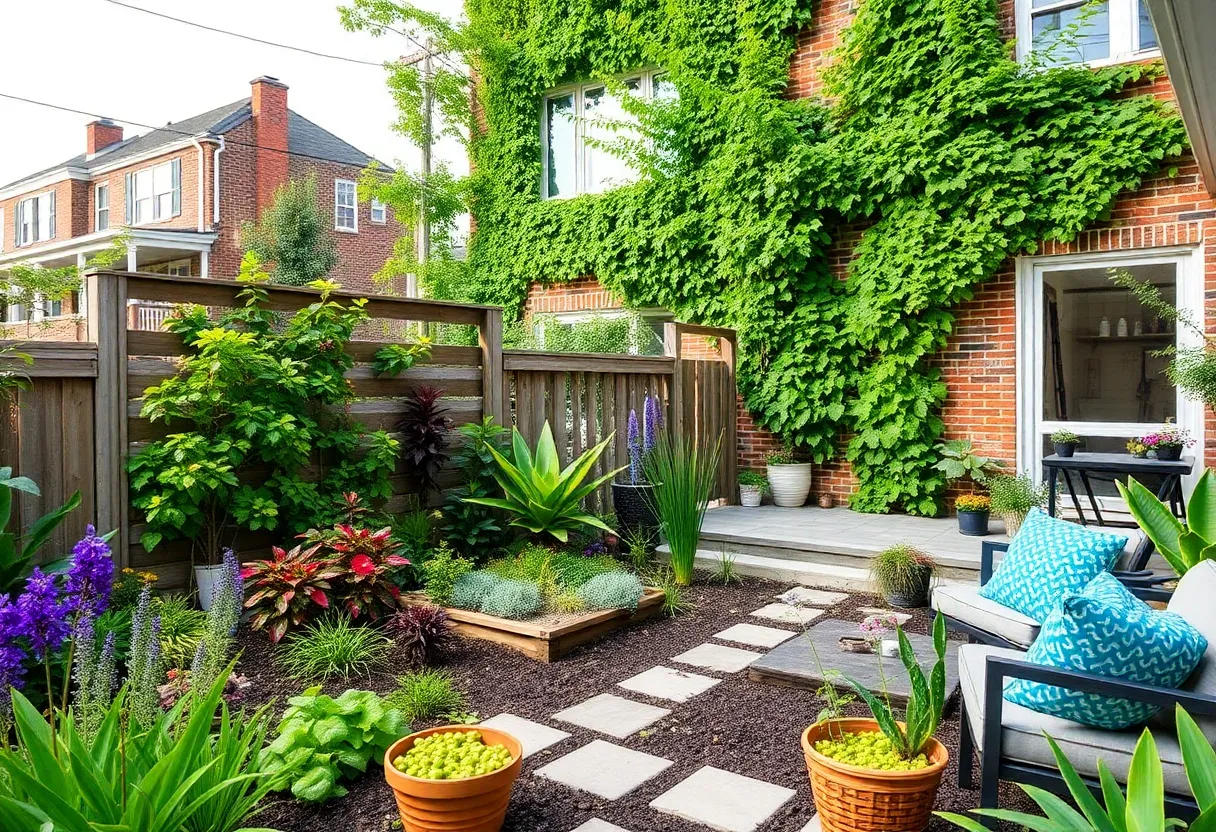
10 Trendy Landscaping Ideas to Transform Your Philadelphia Yard in 2024
Introduction
Transforming your Philadelphia yard in 2024 requires a strategic approach rooted in sustainability, innovation, and aesthetics. These trends reflect a keen understanding of local climate, environmental responsibility, and modern design preferences. By integrating these ideas, homeowners can enhance curb appeal, increase property value, and create inviting outdoor spaces. The following insights focus on practical, innovative, and eco-friendly landscaping solutions that align with current and upcoming trends.
1. Embrace Native Plants for Sustainability
The Core Advantage of Native Plantings
Choosing native plants is at the forefront of sustainable landscaping. These species are *naturally adapted* to the Philadelphia climate, which reduces the need for supplemental watering, fertilizers, and chemical treatments. They thrive with minimal intervention, lowering long-term maintenance costs and environmental impact. Examples like *Purple Coneflower, Eastern Redbud,* and *Common Milkweed* not only flourish naturally but also support local ecosystems by providing food and habitat to native insects, birds, and pollinators.
Ecological Benefits
Utilizing native plants helps promote biodiversity within urban and suburban landscapes. This practice sustains the health of local wildlife populations and fosters resilience against pests and diseases. Additionally, native planting reduces water runoff and soil erosion, contributing to overall landscape stability.
2. Integrate Edible Landscaping (Foodscaping)
Functional Aesthetics
Edible landscaping combines practicality with visual appeal. Growing fruits, herbs, and vegetables alongside ornamental plants creates multifunctional outdoor spaces. Options like apple and pear trees, raspberry bushes, and edible flowers such as nasturtiums or lavender enhance both flavor and beauty.
Environmental and Economic Impact
Foodscaping encourages self-sufficiency and reduces grocery bills. It also promotes environmental benefits by decreasing reliance on store-bought produce transported over long distances, which lowers carbon emissions. Well-designed edible gardens serve as vibrant focal points that celebrate sustainability.
3. Opt for Drought-Tolerant, Low-Maintenance Grasses and Sedges
Choosing Resilient Ground Covers
Drought-tolerant grasses and sedges are essential components of modern low-water landscapes. Native species like *Carex woodii* and *Carex pensylvanica* require minimal watering once established and are resistant to pests and diseases.
Design and Practical Benefits
These plants add textural contrast and visual interest without demanding frequent maintenance. They are highly effective in erosion control, serve as ground covers for shaded or sunny areas, and help reduce irrigation needs.
4. Create Outdoor Living Spaces
From Basic to Luxurious
Transforming yards into outdoor living areas is increasingly popular. Key features include patios, fire pits, and cozy seating arrangements that extend indoor comfort outside.
Design Elements
Utilize hardscaping materials such as composite decking, natural stone, or concrete pavers for durability and aesthetic flexibility. Incorporate shading solutions like pergolas or umbrellas. Thoughtful lighting enhances usability after sunset, creating inviting atmospheres.
5. Incorporate Vertical Gardens
Maximizing Limited Space
Vertical gardens are ideal for small yards or spaces constrained by urban environments. Trellises, wall-mounted planters, or modular planting systems support climbing plants or a variety of vegetables and flowers.
Advantages
Vertical planting optimizes space while adding lush greenery. It enables urban dwellers to grow fresh herbs or ornamental plants without sacrificing ground area, making it a practical, space-efficient solution.
6. Utilize Smart Irrigation Systems
Precision Watering Technology
Smart irrigation systems leverage weather data, soil moisture sensors, and automated timers to optimize water use. These systems adjust watering schedules based on real-time environmental conditions, ensuring plants receive the right amount at the right time.
Water Conservation and Plant Health
Implementing these technologies results in significant water savings, reduces runoff, and prevents overwatering — which can lead to root rot or disease. This approach supports sustainable landscaping and lowers utility costs.
7. Choose Alternative Evergreens to Boxwoods
Addressing Threats to Traditional Boxwoods
The prevalence of boxwood blight has prompted many to consider alternative evergreen options. Inkberry holly (Ilex glabra) and blight-resistant boxwood varieties offer similar foliage density and shape.
Benefits of Alternatives
These options provide year-round structure and privacy without the heightened disease risk associated with conventional boxwoods. They also require less chemical intervention, aligning with eco-friendly practices.
8. Add Sculptural Elements for Visual Interest
Art Meets Landscape Design
Incorporating sculptures, fountains, or artistic features adds individuality and focal points to landscapes. Materials like corten steel, reclaimed wood, or decomposed granite create modern, durable features.
Design Considerations
Select pieces that complement your overall landscape theme. Sculptural accents can highlight specific garden areas or serve as conversation starters, elevating the aesthetic without overwhelming the space.
9. Implement Xeriscaping Principles
Water-Conserving Landscaping
Xeriscaping involves designing landscapes that *minimize water needs* through strategic plant selection and efficient irrigation. Focus on drought-tolerant native plants, mulching, and soil improvement to reduce dependency on supplemental watering.
Benefits
This approach results in low-maintenance gardens that withstand drought conditions. It is particularly fitting for climate variations and helps conserve water resources, aligning with eco-conscious development.
10. Incorporate Bold Color Palettes
Creating Vibrant Outdoor Spaces
Using vivid hues in plant selections adds energy and modern appeal. Combining contrasting colors such as magenta pinks, bright oranges, and deep purples creates dynamic visual effects.
Design Tips
Aim for color harmony by positioning bold plants strategically to attract attention. Effective color use transforms your yard into an engaging, lively environment suitable for gatherings and visual enjoyment.
Conclusion
Adopting these trendy landscaping ideas will elevate your Philadelphia yard in 2024. Emphasizing sustainability, innovation, and aesthetic appeal ensures your outdoor space becomes both functional and beautiful. Careful planning and execution will result in a landscape that enhances your property’s value and ecological footprint, reflecting modern design principles rooted in environmental consciousness and artistic expression.
Frequently Asked Questions
What are the most sustainable landscaping options for Philadelphia yards?
Prioritize native plants, xeriscaping principles, and smart irrigation systems. These choices reduce water usage and maintenance while supporting local ecosystems.
How can I incorporate food into my landscape without sacrificing beauty?
Integrate edible plants such as fruit trees, berry bushes, and herbs within ornamental beds or as focal points. Use decorative containers or vertical gardens for added visual interest.
What low-maintenance plants are recommended for Philadelphia gardens?
Consider drought-tolerant grasses and sedges like Carex species, native perennials, and blight-resistant evergreen shrubs. These require minimal watering and pruning.
Is smart irrigation worth the investment?
Yes. Smart irrigation systems optimize water efficiency, reduce utility costs, and improve plant health, making them a cost-effective upgrade over time.
What are effective ways to add color to my landscape?
Use bold-colored flowers, foliage, and decorative features strategically placed for maximum visual impact. Combining contrasting hues adds vibrancy and energy.
JSON-LD FAQ Schema
Key Features Chart of Trendy Philadelphia Landscaping Ideas for 2024
| Landscape Idea | Core Benefit | Typical Plants/Features | Implementation Tips |
|---|---|---|---|
| Native Plants | Enhanced sustainability, low maintenance | Purple Coneflower, Redbud, Milkweed | Select region-specific species; promote wildlife habitats |
| Foodscaping | Functional, eco-friendly, aesthetic | Fruit trees, berry bushes, edible flowers | Blend edible plants with ornamental landscaping; use vertical systems |
| Drought-Tolerant Grasses & Sedges | Low water need, texture addition | Carex species, Pennsylvania Sedge | Ideal for shaded/sunny areas; minimal care |
| Outdoor Living Spaces | Extended usable outdoor area | Patios, fire pits, seating | Durable hardscaping materials; ambient lighting |
| Vertical Gardens | Space maximization | Wall planters, trellises, modular systems | Grow climbing plants, herbs, ornamentals vertically |
| Smart Irrigation | Water efficiency, plant health | Automated sprinklers with weather sensors | Weather-based adjustments; soil moisture integration |
| Alternative Evergreen Shrubs | Resilience against disease, year-round privacy | Inkberry holly, resistant boxwoods | Choose blight-resistant varieties; maintain healthy soil |
| Sculptural Elements | Visual interest, focal points | Steel sculptures, reclaimed wood art | Placement that complements landscape flow |
| Xeriscaping | Water conservation, low upkeep | Drought-tolerant natives, mulch | Layer soil improvements, strategic plant placement |
| Bold Color Palettes | Dynamic, energetic aesthetic | Bright flowers, foliage contrasts | Use contrasting hues for visual interest |