

10 Essential Tips for Navigating Philadelphia’s Historic Real Estate Market as a First-Time Buyer
Introduction
Purchasing a historic home in Philadelphia presents a compelling opportunity to own a piece of the city’s rich heritage. These properties are distinguished by their distinctive architecture, craftsmanship, and storied backgrounds. However, the unique nature of historic homes also introduces specific challenges for first-time buyers. Understanding these complexities is essential for making informed decisions and ensuring a successful purchase. This comprehensive guide offers 10 critical tips designed to help prospective buyers navigate Philadelphia’s historic real estate market with confidence and clarity.
1. Understand the Appeal of Historic Homes
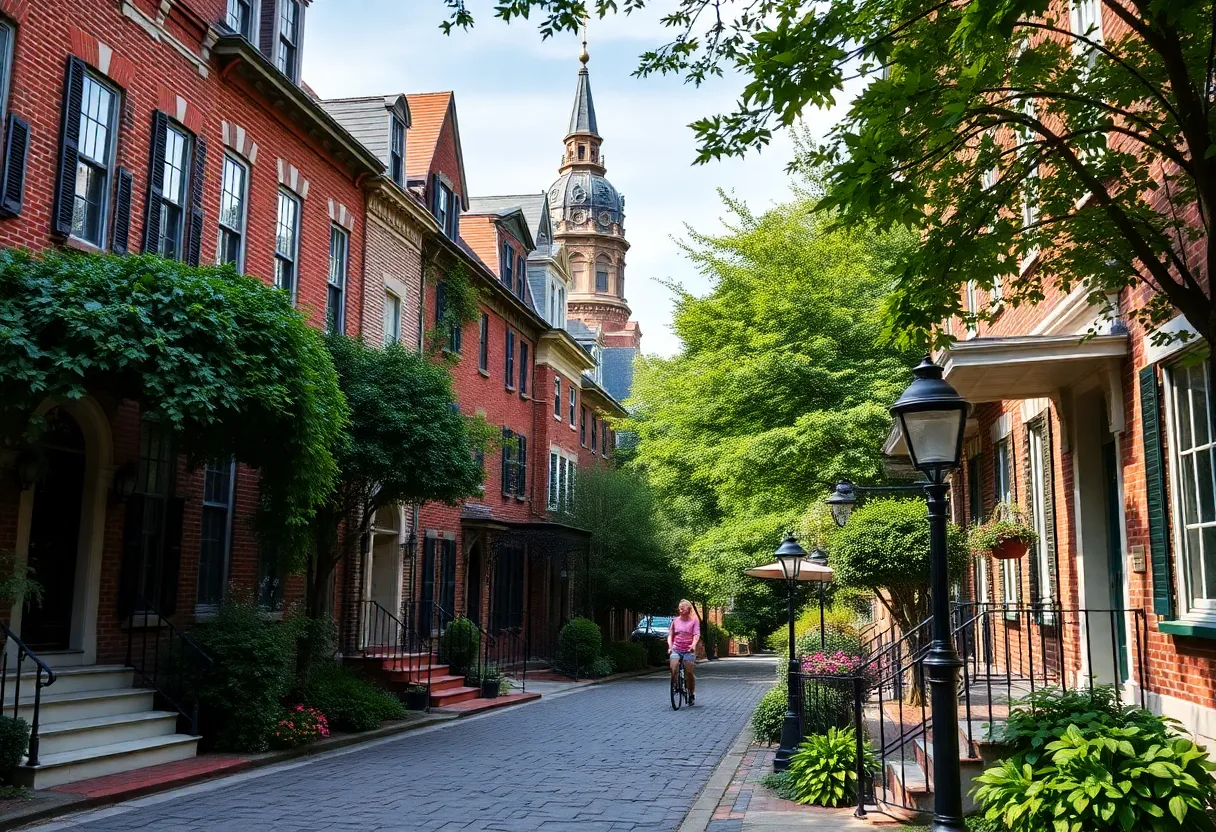
Historic homes in Philadelphia are celebrated for their architectural diversity, including styles like colonial, Georgian, Federal, and Victorian. They often feature original hardwood floors, ornate woodwork, exposed brick walls, and period-specific fixtures. These elements embody a sense of timeless craftsmanship that modern homes rarely replicate. Such properties often reside in districts that reflect the city’s colonial roots and distinct neighborhood identities. Recognizing the cultural and aesthetic value of these homes helps justify their often-premium market prices and underscores their long-term investment potential.
2. Assess the Financial Implications
Historic homes tend to involve higher maintenance and repair costs. Due to their age, they may require updates to electrical systems, plumbing, roof repair, or structural reinforcement. These costs can surpass those associated with contemporary properties. Before proceeding, buyers must conduct a detailed budget assessment. This includes factoring in potential restoration expenses, ongoing maintenance costs, and possible special assessments imposed by preservation districts. Failing to account for these can lead to financial strain or compromised property conditions.
3. Secure Financing and Explore Assistance Programs
Understanding Funding Options
Financing for historic homes may involve specialized loans or grants. Philadelphia offers several assistance programs for qualified first-time buyers, including grants specifically aimed at historic preservation. These can include down payment assistance, low-interest loans, or rehabilitation grants. Engaging with lenders experienced in historic properties ensures access to appropriate financial solutions. Additionally, exploring local, state, and federal tax incentives can substantially offset restoration costs, making investment more feasible.
Important Considerations
It’s crucial to verify any program eligibility criteria and understand application processes early in your home search. Properly leveraging available assistance can reduce upfront costs and improve your overall financial position.
4. Research Neighborhoods with Historic Significance
Philadelphia’s neighborhoods such as Society Hill, Old City, and Fairmount are known for their historic density. Each offers a distinct ambiance, amenities, and preservation guidelines. Delineating your priorities—whether proximity to city centers, schools, parks, or cultural attractions—helps narrow options. Analyzing property values, development trends, and neighborhood safety further refines your search. Carefully selecting neighborhoods ensures your property appreciates over time while aligning with your lifestyle.
5. Hire a Real Estate Agent Specializing in Historic Properties
An agent with experience in historic homes provides invaluable insights. They understand preservation restrictions, zoning laws, and improvement restrictions specific to districts. Their expertise can clarify questions around allowable renovations and identify potential issues before purchase. An informed agent also helps evaluate market value, negotiate effectively, and assist with navigating complex legal and administrative procedures involved in historic property transactions.
6. Conduct Thorough Inspections
Older homes may conceal latent issues such as outdated wiring, asbestos or lead-based paint, foundation concerns, or deteriorating roofing. It’s essential to hire inspectors experienced with historic structures. They can assess the integrity of key elements, estimate repair costs, and identify non-compliance with preservation standards. This due diligence minimizes surprises post-purchase, enabling informed budgeting and renovation planning.
7. Understand Preservation Restrictions and Tax Incentives
Preservation Restrictions
Many historic homes are subject to preservation ordinances that limit modifications such as exterior changes or significant interior alterations. These restrictions aim to maintain your property’s historical authenticity. It is essential to review local regulations and obtain necessary approvals before undertaking renovations.
Tax Incentives
Philadelphia provides various tax credits and incentive programs for restoring historic properties, including federal and state programs. These can include rehabilitation tax credits that cover a significant portion of approved renovations. Understanding eligibility and application procedures can greatly reduce overall costs and enhance the property’s value.
8. Plan for Renovations and Maintenance
Historic properties require careful planning to preserve their character and function. Start by prioritizing necessary repairs, such as fixing a leaky roof or restoring original woodwork. Ensure that contractors are experienced with historic materials and techniques. Long-term maintenance should incorporate periodic inspections and preservation best practices to retain the home’s historic integrity and avoid costly future repairs.
9. Evaluate Resale Potential
While owning a historic home offers unique satisfaction, consider its marketability for future sales. Properties in well-maintained, desirable historic districts tend to appreciate steadily. However, stringent restrictions and renovation requirements may limit appeal to some buyers. Therefore, aligning your home’s condition with neighborhood standards increases resale value and liquidity.
10. Stay Informed About Market Trends
The Philadelphia historic real estate market is dynamic, with evolving neighborhood developments and preservation policies. Regularly researching market conditions, appreciating neighborhood valuations, and legislative changes enables you to make strategic decisions. Staying updated also improves your capacity to negotiate effectively and identify emerging opportunities in the historic property sector.
Conclusion
Purchasing a historic home in Philadelphia can be a fulfilling and financially sound decision when approached with informed strategies. Recognizing the unique features and challenges of these properties ensures your investment is sustainable and aligned with your long-term goals. Prioritize thorough research, expert guidance, and proactive planning to navigate the market successfully. With diligent effort, owning a piece of Philadelphia’s history becomes a rewarding reality.
FAQs
What are the main benefits of buying a historic home in Philadelphia?
Historic homes provide distinctive architectural features, a strong sense of history, and often reside in neighborhoods with rich cultural value. They may also qualify for tax incentives and grants aimed at preservation, enhancing their long-term attractiveness as investments.
Are there specific financial assistance programs for first-time buyers of historic properties in Philadelphia?
Yes, programs like rehabilitation grants and down payment assistance are available for qualified buyers. These programs aim to reduce initial costs and promote historic preservation efforts, making homeownership more accessible.
What should I look for during an inspection of a historic home?
Inspectors should evaluate structural integrity, electrical wiring, plumbing, roofing, and basement conditions. It’s important to hire professionals familiar with older structures to accurately identify issues and estimate required repairs.
How can I identify neighborhoods with historic significance in Philadelphia?
Focus on areas such as Society Hill, Old City, and Fairmount, which are renowned for their preserved historic architecture. Research neighborhood histories, property styles, and preservation regulations to find a location that meets your preferences.
What challenges are associated with owning a historic home?
Challenges include higher maintenance costs, restrictions on renovations, and the need for specialized contractors. However, with proper planning and expert guidance, these issues can be effectively managed.
Key Features of Buying a Historic Home in Philadelphia
| Feature | Details |
|---|---|
| Architectural Styles | Colonial, Georgian, Victorian, Federal, and More |
| Unique Features | Hardwood Floors, Exposed Brick, Ornate Trim |
| Neighborhoods | Society Hill, Old City, Fairmount |
| Financial Costs | Higher Maintenance, Restoration Expenses |
| Incentives | Tax Credits, Grants for Preservation |
| Regulations | Preservation Restrictions & Approvals |