

Harrisburg, PA, December 29, 2025
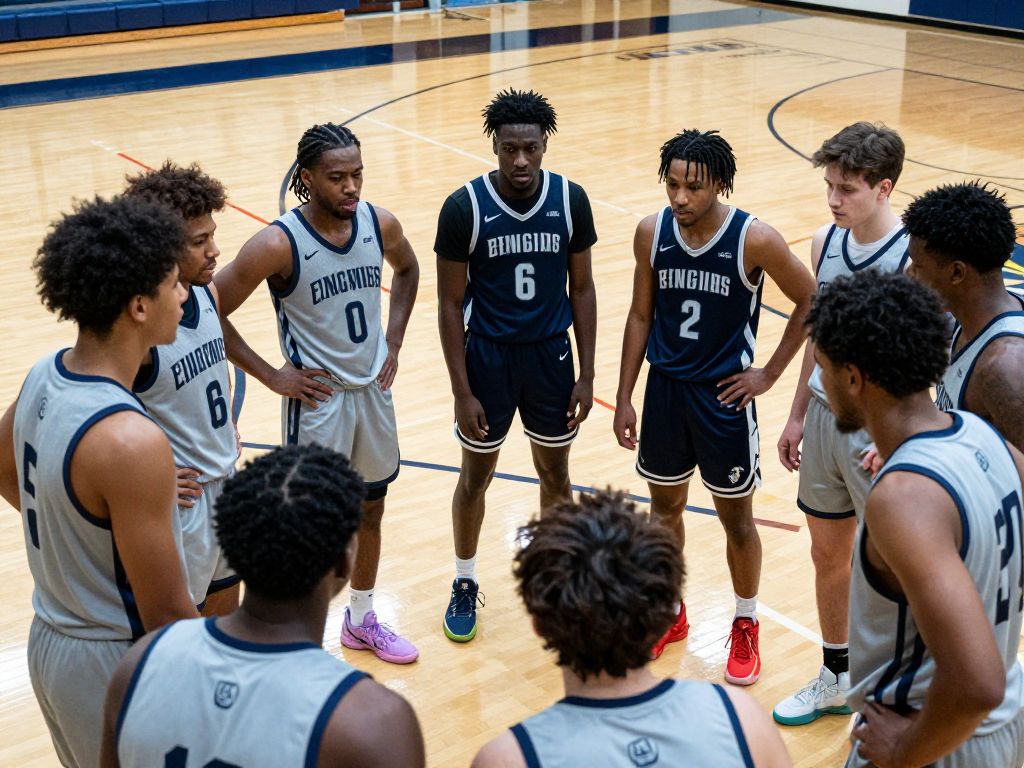
The Erskine College men’s basketball team, with a roster of 54 players, brings attention to roster management in collegiate athletics. This trend prompts discussions on how Pennsylvania colleges are adapting their strategies for athlete development and team dynamics. Increased roster sizes reflect changes by the NCAA that allow for more flexibility in scholarship distribution, emphasizing the balance of competition and personal growth for student-athletes in the state. The economic impact of these programs also highlights their significance in local communities.
Harrisburg, PA —
College Basketball Roster Size Sparks Dialogue in Pennsylvania Athletics
A recent national collegiate basketball development has drawn attention to the evolving landscape of team management and player opportunities, prompting a closer look at similar dynamics within Pennsylvania’s vibrant athletic scene. The Erskine College men’s basketball team, a program based in South Carolina, has garnered notice for fielding a roster of 54 players, an exceptionally large number for the sport. This unusual approach to team composition highlights broader conversations about maximizing athlete development and fostering competitive environments, discussions that resonate deeply across Pennsylvania’s diverse college sports programs.
This situation underscores the entrepreneurial spirit and strategic thinking required in modern collegiate athletics. While the Erskine case is a national example, it serves as a valuable lens through which to examine how Pennsylvania universities and colleges are adapting to new realities in roster construction, driven by a commitment to student-athlete success and responsible program growth. The commitment to providing opportunities, whether through traditional scholarship models or expanded walk-on roles, reflects a dedication to personal perseverance and community strength within collegiate sports.
The Roster Phenomenon: A National Look
Erskine’s Extensive Squad
The Erskine College men’s basketball team has made headlines with its remarkably expansive roster, listing 54 players as members of the Flying Fleet. This figure is particularly striking for a sport where only five players compete on the court at any given time, equating to nearly eleven full lineups. The small college, located in South Carolina, presents a compelling case study in contemporary roster management at lower NCAA levels, though the sheer volume of athletes is still considered next-level in terms of logistics, practice repetitions, and playing time.
Evolving Roster Strategies
The trend of larger college basketball rosters is not isolated, but rather a reflection of broader changes within the National Collegiate Athletic Association. Recent adjustments by the NCAA have removed traditional team-based scholarship limits, offering institutions greater flexibility in how they allocate athletic aid. This allows programs to build rosters using a combination of athletic, academic, and need-based aid, alongside non-aid athletes, without necessarily increasing overall budgets. This flexibility has broadened the scope of recruiting, leading coaches to prioritize “coverage.” This means having enough players to mitigate the impact of injuries, transfers, academic issues, and other unforeseen departures, ensuring season stability and competitive depth.
The expansion of rosters also increases the importance of walk-on players. These athletes are often willing to develop their skills without immediate playing time or financial pressure, providing essential depth and practice support. For some, a walk-on role serves as a strategic entry point into collegiate athletics, while for others, it can mean less playing time and more competition. This evolving dynamic emphasizes the initiative and self-reliance required from student-athletes aiming to compete at the collegiate level.
Collegiate Athletics: Fueling Pennsylvania’s Economy
Economic Impact Across the Commonwealth
The discussions surrounding roster management, player development, and competition in collegiate basketball are particularly relevant to Pennsylvania, where college sports programs are significant economic drivers and community anchors. Institutions across the state, from large universities to smaller colleges, demonstrate how private initiative and robust athletic programs contribute substantially to local and statewide prosperity. Penn State Intercollegiate Athletics, for instance, generates a considerable economic impact, supporting numerous jobs and contributing millions in state and local taxes annually. This highlights the vital role that competitive sports programs play in generating revenue that circulates throughout Pennsylvania’s economy, impacting jobs, income, and local business revenues.
Beyond individual university programs, major sporting events hosted in Pennsylvania further amplify this economic benefit. Philadelphia, PA, for example, is a significant hub for NCAA championship events, which are projected to attract tens of thousands of fans and generate millions in economic impact for the region. Similarly, sports events in Centre County, home to Penn State University, contribute hundreds of millions annually to the county’s economy, supporting thousands of jobs and substantial employee compensation. This extends beyond football to other sports such as basketball, wrestling, and hockey, demonstrating the broad appeal and economic power of diverse athletic offerings.
Balancing Competition and Development in PA Programs
Roster Building in a Dynamic Era
Pennsylvania’s college basketball programs navigate a complex landscape of roster building, influenced by factors such as scholarship limits, the transfer portal, and the Name, Image, and Likeness (NIL) era. While national trends show an increase in roster sizes for various reasons, programs in Pennsylvania must strategically manage their talent pools to foster both individual player growth and team success. Coaches frequently emphasize building a strong program foundation and developing players over time, even amidst the challenges presented by player movement.
The value of competition is paramount in developing well-rounded student-athletes. With more players vying for limited minutes, athletes are compelled to demonstrate greater initiative and perseverance to earn playing time. This rigorous environment, shaped by the value of competition, prepares student-athletes for challenges beyond the court. Programs like the Penn Quakers men’s basketball team, with a rich history in NCAA Division I, exemplify the tradition of competitive excellence and player development within the state. Penn State men’s basketball also emphasizes building identity, leadership, and a love for the game in a competitive landscape, showcasing the commitment to developing athletes within the commonwealth.
Community Self-Reliance and Athletic Success
Local Support and Program Growth
The success of collegiate athletic programs in Pennsylvania is significantly bolstered by community self-reliance and local engagement. Enthusiastic fan bases, volunteer efforts, and private donations contribute to creating environments where student-athletes can thrive. This community support, coupled with university investment, fosters a strong sense of pride and collective achievement. The economic benefits, from visitor spending at games to local businesses benefiting from athletic events, underscore a symbiotic relationship between successful programs and thriving communities. This cycle of investment, initiative, and return highlights the benefits of a free-market approach to sports development, where robust competition and community involvement drive growth and opportunity for student-athletes.
Conclusion
The national discussion surrounding the substantial roster of the Erskine College men’s basketball team provides a timely reminder of the diverse and evolving strategies within collegiate athletics. For Pennsylvania, this conversation highlights the enduring commitment of its universities and colleges to foster competitive excellence and provide valuable opportunities for student-athletes. The economic contributions of college sports, driven by private initiative and community support, are undeniable, reinforcing the vital role these programs play in the Commonwealth’s vitality.
As collegiate athletics continue to adapt, Pennsylvania remains a beacon for responsible growth and competitive spirit. We encourage all residents to celebrate and support the student-athletes and programs that contribute so much to our local communities and statewide pride. Engage with your local college teams, attend games, and champion the spirit of perseverance that defines Pennsylvania college sports.
Frequently Asked Questions
- How many players are on the Erskine College men’s basketball roster?
The Erskine College men’s basketball team has 54 players listed on its roster. - Why are some college basketball rosters growing larger?
College basketball rosters are growing larger due to NCAA changes offering more flexibility in distributing athletic, academic, and need-based aid, allowing coaches to carry more athletes for “coverage” against injuries and transfers, and increasing the role of walk-on players. - What is the economic impact of college sports in Pennsylvania?
Penn State Intercollegiate Athletics contributes $754.6 million in economic impact to Pennsylvania, supporting 5,856 jobs, and generating $52.4 million in local and state taxes in FY 2023. Sports events in Centre County generate nearly $417 million in annual economic impact, supporting 4,315 jobs. NCAA events in Philadelphia are anticipated to generate a $24 million economic impact. - What is the Penn Quakers men’s basketball team known for?
The Penn Quakers men’s basketball team is the twentieth-winningest men’s basketball program of all-time and plays in the Ivy League in NCAA Division I. They appeared in one Final Four in 1979 and have won 26 Ivy League regular season championships.
Key Collegiate Athletics Statistics (Pennsylvania & National)
| Category | Statistic | Scope |
|---|---|---|
| Erskine College Men’s Basketball Roster Size | 54 players | Nationwide |
| Penn State Athletics Annual Economic Impact (FY 2023) | $754.6 million | State-level (Pennsylvania) |
| Jobs Supported by Penn State Athletics (FY 2023) | 5,856 jobs | State-level (Pennsylvania) |
| Annual Economic Impact of Sports Events in Centre County (2022) | Nearly $417 million | State-level (Pennsylvania) |
| NCAA Events Economic Impact for Philadelphia | $24 million (anticipated) | State-level (Philadelphia, PA) |
| Penn Quakers Men’s Basketball Ivy League Championships | 26 championships | State-level (Pennsylvania) |
Deeper Dive: News & Info About This Topic
HERE Resources
AI Adoption in Philadelphia’s HR Sector: Overcoming Challenges
Penn Women’s Hoops Competes at FDU Classic
Quakers Prepare for Non-Conference Showdown with Patriots
Paul VI School Tops MaxPreps Basketball Rankings
Princeton Tigers Fall to Temple Owls in Road Contest
Villanova University Expands Scholarships through Santander Partnership
Philadelphia’s Gen Z Graduates Face Tough Job Market
Hawks Host Coastal Carolina to Conclude Season
Drexel University Men’s Basketball Defeats University of Maine
Penn Women’s Lacrosse Announces Future Competition Schedule