

New York City, NY, December 25, 2025
The U.S. Mint’s decision to halt penny production has led to a significant cash coin shortage, prompting businesses to implement innovative solutions to adapt. Retailers like Kwik Trip and McDonald’s are rounding cash transactions to maintain customer satisfaction. The National Restaurant Association has expressed concerns about the impacts on the restaurant industry, as cash transactions make up a considerable portion of sales. As consumers adjust to these changes, businesses demonstrate resilience and commitment to service amidst evolving economic conditions.
The Penny Production Halt: Impacts and Business Adaptations
Retailers and Consumers Adjust to the Cash Coin Shortage
New York City, NY – The recent decision by the U.S. Mint to cease penny production has caused ripples throughout various sectors of the economy, creating a notable shortage of the one-cent coin. This development is an extraordinary moment for businesses, prompting inventive adaptations as they navigate new logistical challenges in cash transactions. As the economy seeks to adapt, the entrepreneurial resilience of local businesses shines through, turning potential hurdles into opportunities for innovation.
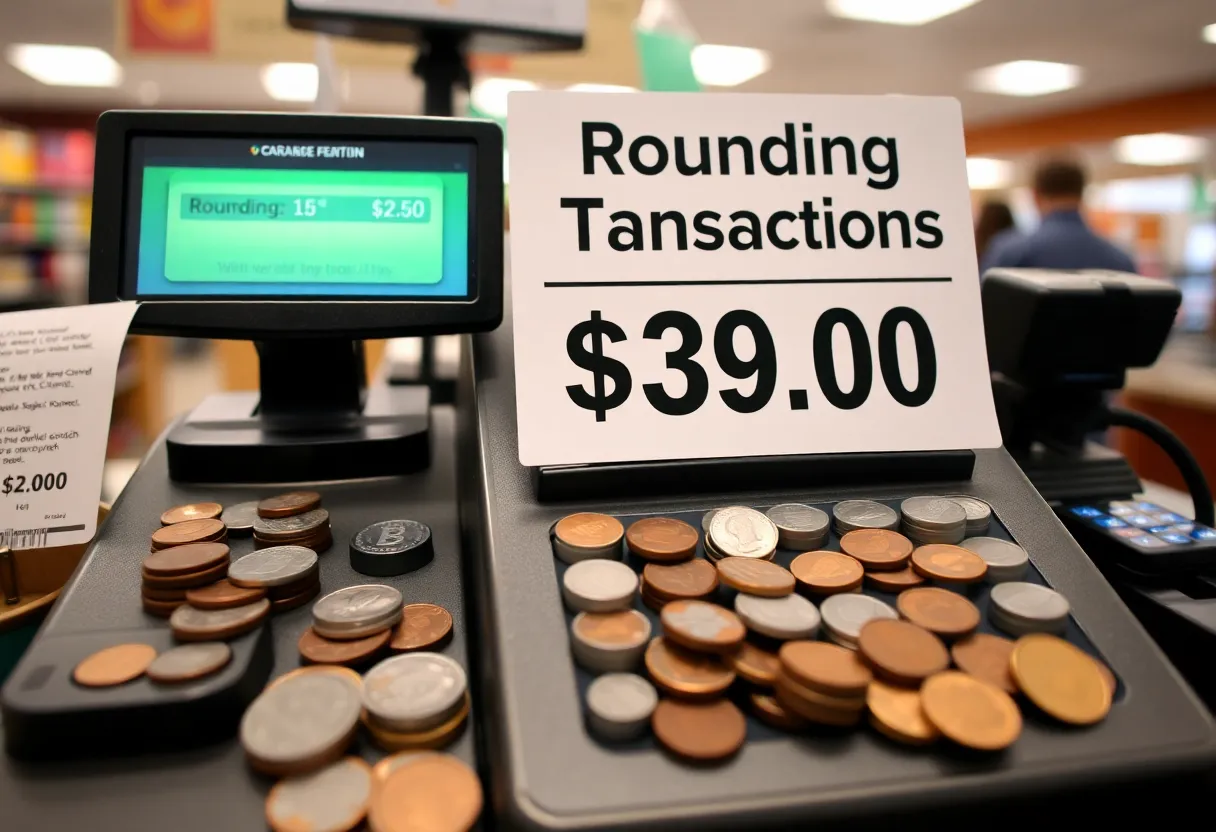
The U.S. Treasury Department’s guidance encourages rounding cash transactions to the nearest five-cent increment when exact change is unavailable. That is crucial in maintaining smooth customer experiences amidst the scarcity of pennies. Among the businesses making this transition are chains like Kwik Trip and McDonald’s, setting practical and consumer-friendly policies to address the shortage. Their proactive strategies illustrate the potential for businesses to adapt under changing economic conditions.
Understanding the Reason Behind the Cessation of Penny Production
The cessation of penny production stems from rising manufacturing costs that have surged over the past decade, resulting in the expenses associated with producing a penny exceeding the coin’s face value. This decision aims to save around $56 million annually, reflecting a broader trend towards efficiency in government operations. While the penny remains legal tender, the lack of new supply has led to widespread adjustments and practices aimed at continuing seamless cash transactions.
Business Rounding Practices: Retailers Lead the Way
In response to the penny shortage, businesses are adopting various rounding practices that cater to customers while ensuring their financial operations remain efficient. For instance, Kwik Trip has chosen to round down cash purchases to the nearest five cents, making it easier for customers who may not have exact change. Similarly, fast-food giant McDonald’s has adopted a similar strategy, rounding cash transactions when customers are short on coins. This flexibility is critical for maintaining customer satisfaction and preserving sales during a time of uncertainty.
Industry Concerns: The Restaurant Sector Speaks Out
The National Restaurant Association has raised alarms about the implications of the penny shortage specifically for the restaurant industry, where cash transactions constitute over 25% of daily exchanges. The inability to provide precise change could lead to customer dissatisfaction and lost revenue opportunities. The Association suggests the U.S. Treasury and Federal Reserve take measures to restart the penny order and deposit system, highlighting that further engagement is necessary to support cash-dependent businesses effectively.
Consumer Impact: What to Expect
Consumers may experience minor rounding adjustments during cash transactions due to the penny shortage. While these adjustments are generally minimal, they are designed to facilitate a smoother checkout process. Understanding that businesses are actively responding to this challenge can promote trust and patience among customers as they adapt to these new practices.
Key Features of the Penny Shortage and Business Responses
| Feature | Details |
|---|---|
| Penny Production Halted | The U.S. Mint has ceased producing new pennies, leading to a nationwide shortage. |
| Business Rounding Practices | Retailers like Kwik Trip and McDonald’s are implementing rounding practices for cash transactions to manage the shortage. |
| Industry Concerns | The National Restaurant Association is urging the U.S. Treasury and the Federal Reserve to reopen the penny order and deposit system to alleviate the shortage’s impact on the restaurant industry. |
| Consumer Impact | Consumers may notice slight rounding adjustments in cash transactions, but these are typically minimal and aim to ensure smooth transactions. |
Conclusion
The cessation of penny production presents a unique challenge and opportunity for retailers and consumers alike. As businesses across the country implement innovative solutions to manage the cash coin shortage, they demonstrate their resilience and commitment to customer service. Staying engaged with local businesses not only supports their adaptation efforts but also contributes to a stronger economy. By embracing these changes, we can ensure that Philadelphia continues to thrive amidst evolving economic landscapes.
Frequently Asked Questions (FAQ)
Why has the U.S. Mint stopped producing pennies?
The U.S. Mint ceased penny production due to the rising cost of manufacturing the coin, which had increased from 1.3 cents to 3.69 cents per penny over the past decade. This decision aims to save approximately $56 million annually.
How are businesses handling the penny shortage?
Businesses are implementing rounding practices for cash transactions. For example, Kwik Trip rounds down to the nearest five cents, while McDonald’s rounds to the nearest five cents when customers lack exact change.
What is the National Restaurant Association’s stance on the penny shortage?
The National Restaurant Association is concerned about the impact of the penny shortage on the restaurant industry, as over 25% of transactions are paid in cash. They are urging the U.S. Treasury and the Federal Reserve to reopen the penny order and deposit system to alleviate the shortage.
Will the penny remain legal tender?
Yes, the penny remains legal tender and can still be used for cash transactions. However, as new pennies are no longer being produced, businesses are adopting rounding practices for cash transactions.
How does the penny shortage affect consumers?
Consumers may experience slight rounding adjustments in cash transactions due to the penny shortage. These adjustments are typically minimal and aim to ensure smooth transactions without significant impact on the total amount paid.
Deeper Dive: News & Info About This Topic
HERE Resources