
How to Design a Lush Vertical Garden for Your Philadelphia Home
Transforming your Philadelphia residence with a vertical garden offers numerous benefits, from aesthetic enhancement to environmental improvements. Crafting an effective lush wall requires careful planning, understanding local conditions, and selecting appropriate materials and plants. This comprehensive guide outlines each step necessary to develop a thriving vertical garden tailored to the city’s unique urban landscape and temperate climate.
Understanding Vertical Gardens
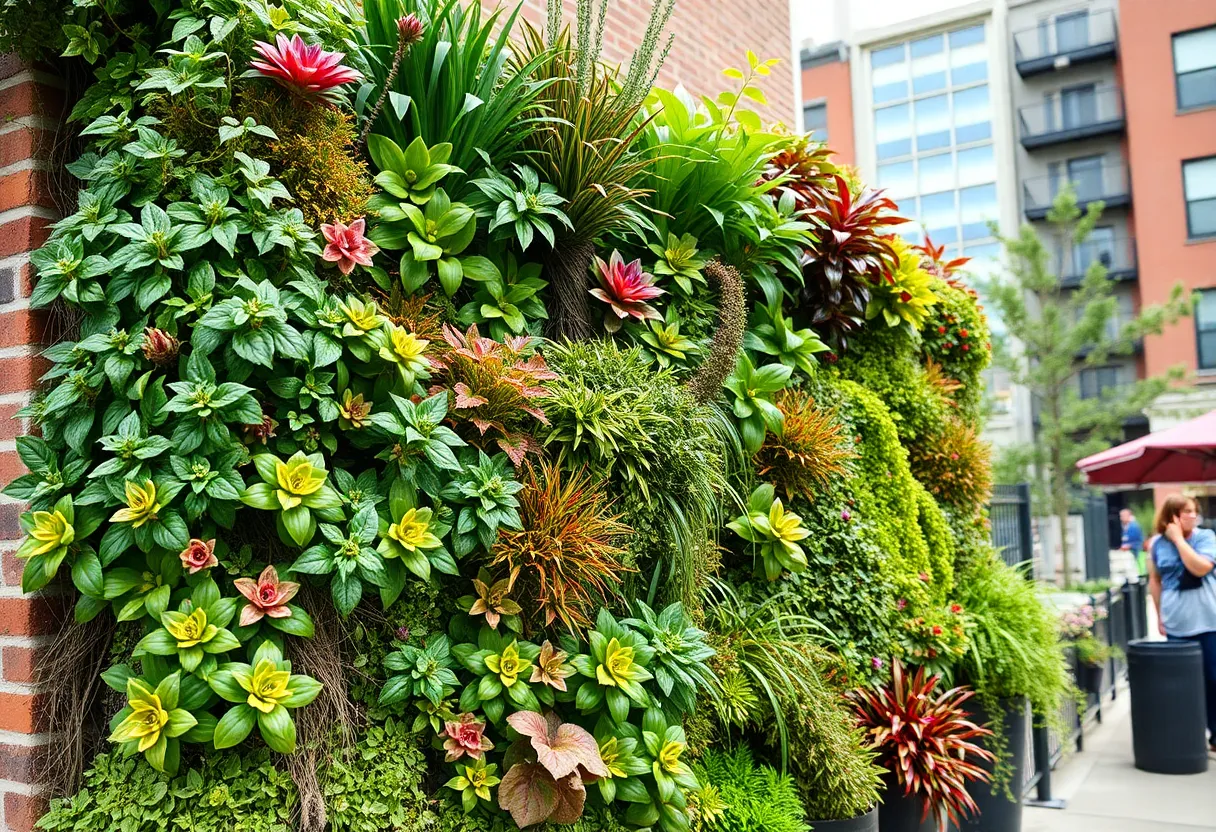
A vertical garden, also known as a living wall, is a structured system that allows plants to grow upwards along a vertical surface. It maximizes space—making it suitable for urban environments with limited ground area— and creates an immediate visual impact. Vertical gardens typically involve a framework for holding plants, combined with irrigation and nutrient delivery systems, ensuring sustainability and minimal maintenance.
Benefits of Vertical Gardens
- Space Efficiency: Vertical gardens optimize vertical space, ideal for Philadelphia’s city apartments, townhomes, and urban settings.
- Enhances Air Quality: Plants absorb carbon dioxide, trap dust, and filter airborne pollutants—improving indoor and outdoor air quality.
- Energy Savings: Living green walls insulate buildings, helping reduce heating and cooling costs, especially during Philadelphia’s variable seasons.
- Visual Appeal: A vibrant, natural centerpiece adds aesthetic value, connecting indoor and outdoor environments creatively.
Designing Your Vertical Garden
1. Assess Your Space
Start with a precise evaluation of the intended installation site. Critical factors include:
- Sunlight Exposure: Determine if the wall faces full sun, partial shade, or shade to select compatible plant species.
- Accessibility: Ensure the location allows easy maintenance, pruning, and watering—important factors for sustainability.
- Structural Support: Confirm the wall can withstand the weight of the system plus mature plants. Consider building reinforcement if necessary.
2. Choose the Right System
Various systems accommodate different aesthetic and functional goals:
- Modular Panels: Pre-planted sections that can be easily mounted or rearranged. Suitable for quick installation and maintenance.
- Freestanding Frames: Portable, adaptable structures independent of wall strength, ideal for flexible arrangements.
- Hydroponic Systems: Soil-free setups that use water-based nutrient delivery—optimal for energy-efficient, low-maintenance designs.
3. Select Suitable Plants
Plant choice depends on Philadelphia’s climate and your space’s conditions. Prioritize:
- Native Species: Adapted to local soil, climate, and pests, requiring less care. Examples include:
- Wild Columbine (*Aquilegia canadensis*)
- Black-Eyed Susan (*Rudbeckia hirta*)
- Eastern Red Columbine (*Aquilegia canadensis*)
- Sunlight Requirements: Match plants to the light conditions—full sun plants for sunnier spots and shade-tolerant varieties for shaded walls.
- Maintenance Needs: For manageable upkeep, select low-maintenance plants that flourish with minimal intervention.
4. Plan the Layout
Design the arrangement to maximize visual impact:
- Color Schemes: Use contrasting or harmonizing colors for captivating aesthetics.
- Texture Contrast: Combine plants with different leaf shapes and sizes to add depth and interest.
- Growth Habits: Consider how plant height, spreading, or drooping behaviors will evolve over time, ensuring enough space and support.
5. Implement a Watering System
A reliable watering system ensures plant health and minimizes manual effort:
- Drip Irrigation: Delivers water directly to roots, reduces waste, and can be automated for consistent moisture levels.
- Self-Watering Reservoirs: Provide steady hydration, reducing watering frequency and risk of overwatering.
- Manual Watering: Suitable for small installations; best for those committed to regular care.
6. Incorporate Maintenance Strategies
To sustain a lush, healthy vertical garden, regular upkeep is essential:
- Pruning: Remove dead or overgrown foliage to promote new growth and maintain aesthetics.
- Fertilization: Use appropriate nutrients, especially in hydroponic systems, to ensure plant vitality.
- Pest Management: Monitor for pests consistently; early intervention prevents major infestations.
Local Resources in Philadelphia
Though many tools are readily accessible, local resources streamline your garden’s success:
- Urban Jungle: Provides a variety of plants and gardening supplies, along with expert guidance on plant selection and care tailored to Philadelphia’s environment.
- Hoffman Design Group: Specializes in professional green wall installations, offering custom design, installation, and maintenance services suited to residential needs.
- Longwood Gardens: Features one of North America’s most extensive indoor green walls can serve as an inspiration, providing insight into successful vertical garden designs.
Conclusion
Successfully designing and implementing a lush vertical garden in Philadelphia hinges on strategic planning, understanding local climate nuances, and selecting suitable systems and plants. By leveraging available local resources and focusing on sustainable, low-maintenance design choices, you can create a vibrant green space that boosts your home’s visual appeal, improves air quality, and promotes well-being. Approaching this project with precision and care results in a thriving, environmentally beneficial vertical garden—adding beauty and ecological value to your property.
FAQs
-
Q: What are the best native plants for Philadelphia’s vertical gardens?
A: Native plants such as Wild Columbine, Black-Eyed Susan, and Eastern Red Columbine are well-suited due to their adaptation to local conditions, low maintenance needs, and resilience. -
Q: How much sunlight is required for a vertical garden?
A: It depends on plant selections. Full-sun plants thrive with 6+ hours of direct sunlight, while shade-tolerant types prefer less intense light or filtered sun. -
Q: What irrigation methods are most effective?
A: Drip irrigation systems and self-watering reservoirs are highly effective for maintaining consistent moisture while reducing waste and manual effort. -
Q: How do I maintain my vertical garden over time?
A: Regular pruning, feeding plants with appropriate nutrients, and monitoring for pests are vital to sustaining a healthy, lush appearance. -
Q: Are there specific structural considerations for installing a vertical garden?
A: The wall or supporting structure must withstand the weight of mature plants and irrigation systems. Reinforcements or supportive frameworks may be necessary.
Key Features of a Vertical Garden Design
| Feature | Description | Importance |
|---|---|---|
| Space Optimization | Utilizes vertical surfaces for planting, saving ground space. | Critical for limited urban areas. |
| Plant Choice | Native, sun/shade appropriate, low-maintenance species. | Ensures plant health and ease of care. |
| Watering System | Drip irrigation, self-watering reservoirs, manual options. | Maintains consistent moisture, reduces labor. |
| Structural Support | Reinforced walls or frameworks capable of bearing weight. | Ensures safety and longevity of installation. |
| Design Aesthetics | Color schemes, textures, layout planning for visual appeal. | Creates an engaging and harmonious visual impact. |
Final Thoughts
Developing a vertical garden in Philadelphia combines ecological benefits with aesthetic enhancement. It requires diligent planning, local plant knowledge, and sustainable systems. With thoughtful execution, your vertical green space will flourish, making your home more inviting, healthier, and better connected to nature in an urban setting.