

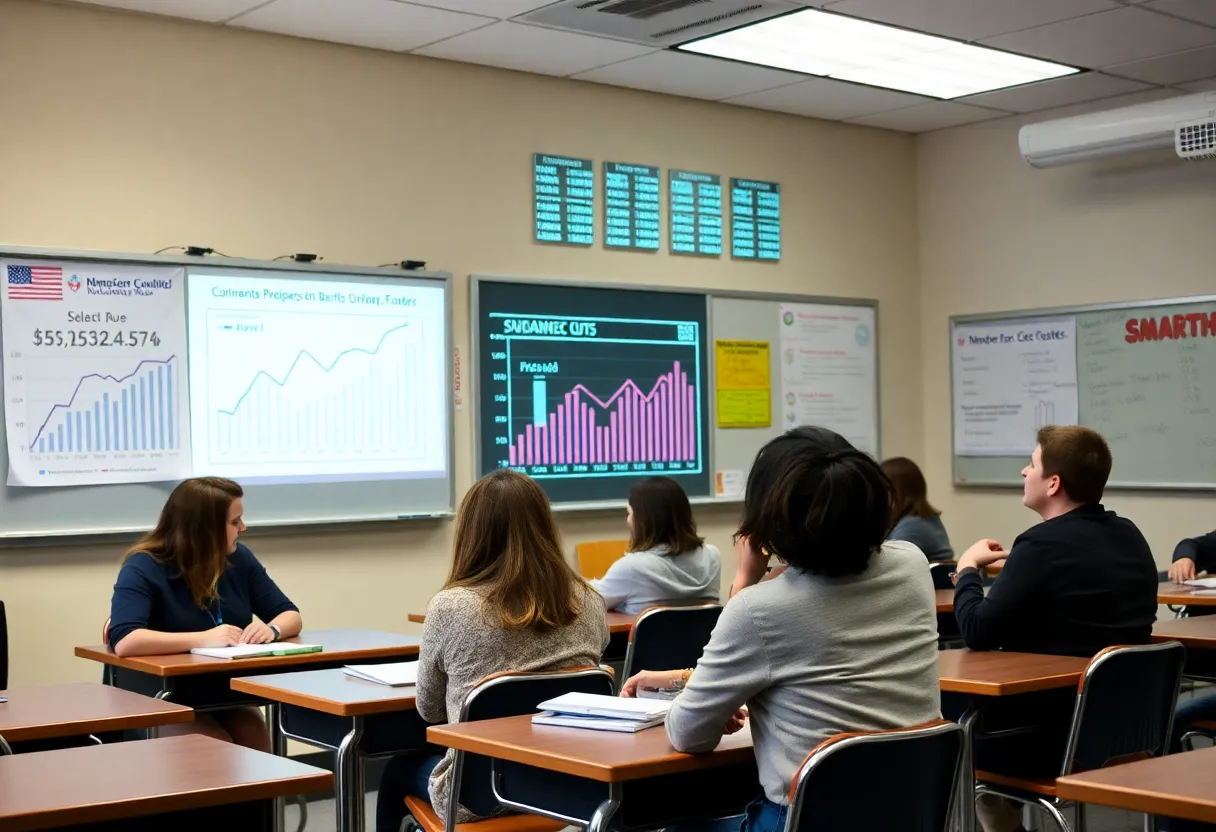
Philadelphia’s School District Faces $442 Million Budget Shortfall
Overview of the Budget Shortfall
The School District of Philadelphia is confronting a significant financial challenge with an estimated shortfall of $442 million for the 2025–26 fiscal year. This gap threatens core educational programs, staffing, and district operations. The district’s leadership emphasizes that without additional funding, critical services may face cuts, impacting thousands of students and staff. Superintendent Tony B. Watlington Sr. has called for urgent support from both city and state governments to prevent further degradation of educational quality.
Historical Context of Funding Challenges
Philadelphia’s public school system has a history marked by recurrent financial uncertainties. Unlike other Pennsylvania districts, Philadelphia lacks taxing authority, making it heavily reliant on external funding sources. Over recent years, this dependency has led to persistent deficits that strain the district’s financial stability. For example, in late 2023, the district projected a deficit of around $407 million for the following year, a figure that was temporarily alleviated by increased funding. Nonetheless, the recurring shortfalls signal ongoing structural fiscal vulnerabilities that hinder long-term planning and sustainability.
Impact on Educational Programs and Services
The projected budget deficit underlines potential threats to educational integrity. Cuts are likely to affect classroom instruction, extracurricular activities, student support services, and school staffing. These reductions could disproportionately affect vulnerable populations, including low-income students and those requiring special education services. Despite Superintendent Watlington’s assurances to prioritize classroom instruction, the magnitude of the shortfall restricts the district’s ability to maintain current levels of service.
Recent Financial Developments
The district has made efforts to secure additional resources in response to the financial crisis. Notably, the 2024 state budget included a $231.9 million increase specifically for the Philadelphia schools. This funding aimed to address adequacy gaps and support ongoing initiatives. However, despite this infusion, the overall financial picture remains precarious. The persistent $442 million shortfall underscores the need for sustainable, long-term investment and more comprehensive funding strategies.
Potential Solutions and Future Outlook
Bridging the gap requires a combination of increased investment, innovative revenue strategies, and cost control measures. Advocacy for increased city and state funding is crucial, along with exploring creative revenue streams such as grants, public-private partnerships, and local economic development initiatives. Cost-saving measures, including efficiency improvements and restructuring, may provide temporary relief but are unlikely to fully resolve the financial deficit. The district’s leadership is committed to advocating for resources that ensure equitable access to quality education for all students.
Key Challenges and Considerations
- Dependence on External Funding: The lack of local taxing authority creates an ongoing vulnerability.
- Structural Deficit: Historical underfunding and rising operational costs contribute to persistent shortfalls.
- Impact on Educational Equity: Budget cuts risk widening disparities among students based on socioeconomic status.
- Sustainable Solutions: Balancing immediate financial needs with long-term strategic investments is essential.
The Role of Stakeholders
Effective resolution depends on coordinated efforts among policymakers, educators, and community stakeholders. City officials must recognize the importance of stable funding to uphold educational quality, while district leaders need to prioritize transparent financial management. Community engagement and advocacy play a vital role in pushing for legislative and budgetary changes that support sustainable funding models.
Strategic Financial Planning
The district has begun to implement multi-year financial plans focusing on reallocating resources and reducing non-essential expenditures. These efforts aim to stabilize the district’s finances while safeguarding core academic offerings. Developing contingency plans and exploring alternative revenue sources are part of the district’s broader strategy to maintain educational excellence amid fiscal constraints.
What Is at Stake?
The depth of the current shortfall signals potential for serious repercussions if not addressed promptly. School closures, layoffs, and program eliminations could emerge as immediate responses to the financial stress. The future of Philadelphia’s students relies heavily on effective policy intervention and investment. Ensuring fiscal prudence while maintaining high standards remains the critical challenge for district administration and city leaders alike.
Community and Policy Recommendations
- Expand funding sources through state and local government investment.
- Implement measures to enhance transparency and accountability in financial management.
- Engage community stakeholders to advocate for equitable funding.
- Build long-term financial strategies that align with district priorities.
- Explore partnerships with private sector and nonprofit organizations for supplemental funding.
Looking Ahead: The Path Forward
Addressing the $442 million shortfall necessitates immediate action and sustained commitment. While additional funding remains the most direct solution, implementing innovative financial strategies can help mitigate future risks. Strategic planning, stakeholder engagement, and policy reforms are vital to ensuring the district’s financial health and educational mission. Without these measures, the district faces ongoing risks to its ability to serve students effectively.
FAQ Section
What is the current budget shortfall faced by the Philadelphia school district?
The district is facing a $442 million deficit for the 2025–26 fiscal year.
Why does Philadelphia struggle with school funding issues?
The district cannot levy local taxes and relies on state and city funding, which has historically been insufficient and variable.
What are potential impacts of the budget shortfall on students?
Possible impacts include reductions in programs, staff layoffs, larger class sizes, and limited extracurricular activities, all affecting student achievement and well-being.
What strategies are being considered to address the deficit?
The district is exploring increased funding, cost-cutting measures, new revenue sources, and long-term financial planning to bridge the funding gap.
How can community members support the district during this crisis?
Community members can advocate for increased funding, participate in public forums, collaborate with local officials, and support initiatives aimed at equitable resource allocation.
Key Features of Philadelphia’s School Funding Crisis
| Feature | Description |
|---|---|
| Budget Shortfall | $442 million projected deficit for 2025–26. |
| Funding Sources | Heavily dependent on city and state funding; lacks taxing authority. |
| Historical Context | Recurring deficits, previous mitigation through increased funding but persistent financial instability. |
| Impacts on Education | Potential cuts to programs, staffing, and services impacting student achievement and equity. |
| Solutions | Seeking increased funding, exploring revenue streams, cost efficiencies, and multi-year financial planning. |