

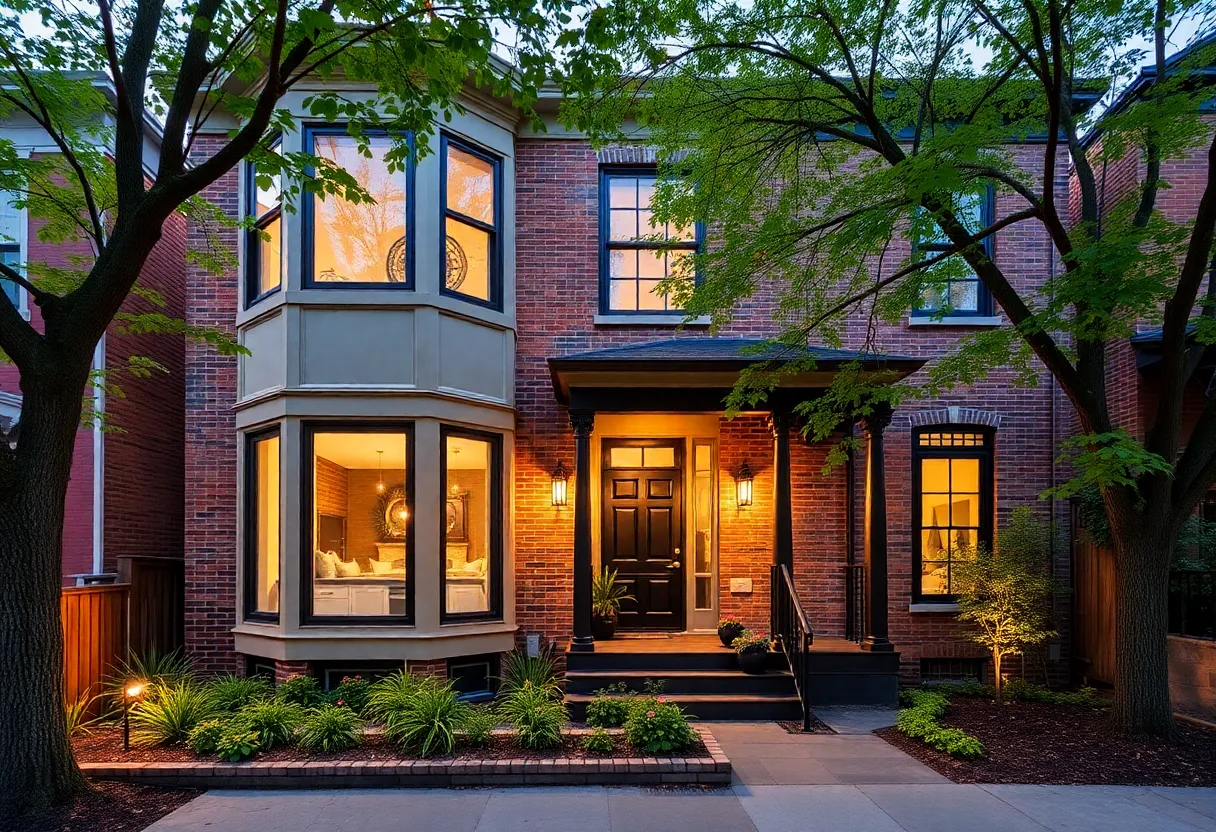
How to Navigate Philadelphia’s Home Renovation Process: Key Tips for Homeowners
1. Assess Your Renovation Goals and Budget
Before initiating any renovation, it is essential to clearly define your objectives. Determine which areas of your home need upgrades—whether it’s a kitchen overhaul, bathroom remodel, or structural repairs. Establishing specific goals guides decision-making and helps prevent scope creep. Concurrently, set a realistic budget. In Philadelphia, average renovation costs vary typically between $140 and $300 per square foot, depending on complexity, material quality, and home age. A thorough budget plan includes contingencies, usually about 10–20%, to accommodate unforeseen expenses that often arise during renovations.
A clear assessment of goals and finances provides a reliable foundation, ensuring the project aligns with your expectations and financial capacity.
2. Understand Philadelphia’s Building Codes and Permitting Requirements
Philadelphia enforces detailed building codes designed to safeguard residents and property structures. Projects involving structural changes, such as removing load-bearing walls, or updates to electrical or plumbing systems will necessitate proper permits. The Department of Licenses and Inspections (L&I) manages these permits.
Navigating permitting properly avoids costly delays and legal issues. Use resources like the “Start Right Guide,” which provides comprehensive guidance on planning, applying for permits, and complying with city standards. It details the process from initial planning to final inspections, maintaining transparency and legal compliance throughout.
3. Hire a Qualified Contractor
Selecting a trustworthy contractor is paramount. This professional will execute your vision, ensuring adherence to both city codes and quality standards. Verify their credentials diligently. A reputable contractor will possess a valid Home Improvement Contractor’s registration, appropriate insurance, and trade licenses. Experience working within Philadelphia’s specific regulations is an asset.
Ask for References and Portfolio. Review past projects to gauge craftsmanship and reliability. Confirm their familiarity with historic homes if applicable. Proper vetting minimizes risks of subpar work, project delays, and budget overruns.
4. Plan for Potential Challenges in Older Homes
Many Philadelphia homes are historic, often dating back over a century. These properties can present unique hurdles such as outdated wiring, antiquated plumbing, or structural deficiencies. Renovating historic homes often costs more, averaging $175 to $350 per square foot depending on scope.
Preparation for these issues involves thorough inspections early in the process. Hiring specialized inspectors or structural engineers can identify hidden problems before construction begins. This foresight prevents unexpected expenses and ensures safety compliance, especially for properties with historic designation.
5. Secure Necessary Permits and Approvals
All renovations requiring structural alterations, electrical updates, or plumbing work must have corresponding permits. Use the L&I’s “Permit Navigator,” a tool that streamlines permit identification based on your specific project scope.
Failing to obtain permits can result in fines, work stoppages, or legal complications, possibly jeopardizing insurance coverage. Always verify permit status before starting work and keep documentation for future reference or resale.
6. Communicate Effectively with Your Contractor
Clear, consistent communication is vital. Establish from the outset how updates and decisions will be handled. Regular meetings and updates ensure that your expectations are met and problems are addressed promptly.
Use written agreements to document scope, timelines, payment schedules, and material selections. This prevents misunderstandings and provides legal protection if discrepancies arise.
7. Prepare for Disruptions During Renovation
Renovations inevitably create noise, dust, and temporary inconveniences. Plan accordingly by arranging alternative accommodations if needed. Secure belongings in protected areas to prevent damage.
Scheduling work in phases or during times when disruption impacts are minimized—such as when residents are away—can ease stress. Understanding that some level of inconvenience is temporary aids in maintaining patience through the process.
8. Consider the Impact on Property Value
Ensure renovation choices suit the neighborhood’s character and market value. Overly expansive or luxe upgrades may not provide a proportional return. For example, modernizing a historic district home should respect architectural integrity.
Aligning improvements with neighborhood standards maintains property value and facilitates resale. Consulting local market trends assists in optimizing upgrades for future investment.
9. Address Lead Paint and Environmental Concerns
Homes built before 1978 likely contain lead-based paint. The federal and city’s policies mandate strict work practices to prevent lead contamination during renovation. Contractors must follow *EPA Lead-Safe Work Practices*, including containment and cleanup procedures.
Failure to comply risks lead poisoning, especially affecting children. Ensure your contractor is certified, and verify adherence to safety protocols before work begins.
10. Stay Informed About Historic Preservation Regulations
If your property is listed on the Philadelphia Register of Historic Places, additional restrictions apply. Renovations must preserve the historic character, requiring approval from the Philadelphia Historical Commission before making modifications.
Consultation with local preservation authorities guarantees compliance and protects your investment. Changes that alter a historic facade or structure might be prohibited or require special permits.
11. Plan for Financing and Contingencies
Establish financing arrangements before starting. Explore options such as personal savings, home equity lines, or renovation loans. Acquire pre-approval to streamline planning.
Always allocate a contingency fund—typically 10–20% of the total budget—to address unforeseen expenses like structural surprises or material price increases. Effective financial planning reduces stress and keeps your project on track.
12. Ensure Compliance with Noise and Work Hour Regulations
Permits for construction work generally allow activity from 7:00 AM to 7:00 PM on weekdays, and from 8:00 AM to 7:00 PM on Saturdays. These hours balance project progression with resident well-being.
Condo or co-op communities may impose stricter rules. Always check with your homeowner association or building management for specific restrictions. Respectful scheduling fosters good neighborhood relations.
13. Verify Contractor’s Compliance with Local Regulations
Verify your contractor’s registration status with the Pennsylvania Attorney General’s Office, ensuring they hold current licenses for specific trades. This verification confirms adherence to legal standards, reducing liability.
Non-compliance can lead to penalties, invalid insurance coverage, or substandard work. Conduct due diligence before engagement.
14. Document All Aspects of the Renovation
Maintain detailed records—contracts, permits, receipt of materials, and correspondence. These documents serve as proof of compliance and can be critical for future resale or warranty issues.
Digital backups and organized files enhance accessibility and protect against loss.
15. Prepare for Final Inspections and Approvals
Post-renovation, schedule inspections with L&I to confirm code compliance. Secure a Certificate of Occupancy if necessary, which certifies the home is safe, legal, and habitable.
Passing inspections prevent resale complications and ensure all permits are closed properly.
16. Consider Environmental and Sustainability Practices
Implementing green building practices can reduce long-term costs and environmental impact. Use sustainable materials such as recycled or locally sourced products.
Philadelphia offers incentives for energy-efficient upgrades like improved insulation, solar panels, or high-efficiency systems. These can offset initial costs and contribute to sustainability.
17. Plan for Post-Renovation Maintenance
Establish a routine maintenance schedule to extend the lifespan of your renovations. Regular inspections, cleaning, and repairs preserve functionality and property value.
A dedicated maintenance plan minimizes costly repairs over time and protects your investment.
18. Stay Updated on Local Building Codes and Regulations
Building standards evolve. Subscribe to updates from city agencies, or periodically review policies to ensure ongoing compliance, especially if planning future modifications.
Staying informed about regulations helps in capitalizing on new incentives and prevents compliance issues.
19. Engage with the Community
Participate in local neighborhood meetings related to development projects. Community input can influence permissible renovations and neighborhood aesthetics.
Building positive relationships supports smoother approval processes and fosters community harmony.
20. Plan for Resale Value
Structural and aesthetic improvements should appeal broadly. Focus on features that enhance functional living space without neglecting style.
Thoughtful upgrades aligned with market expectations ensure your investment remains attractive to future buyers.
21. Address Accessibility Needs
Include accessibility features if required. Ramps, wider doorways, and accessible bathrooms benefit residents with mobility challenges and increase home marketability.
Proactive planning prevents costly retrofits later and broadens your home’s appeal.
22. Ensure Proper Waste Disposal and Recycling
Dispose of construction debris responsibly. Arrange for recycling of materials like metals, wood, and fixtures.
Environmental responsibility helps comply with local ordinances and conserves resources.
23. Review and Understand All Contracts Thoroughly
Read every agreement carefully before signing. Ensure all project aspects—costs, scope, timelines, responsibilities—are explicitly detailed.
Clear contracts prevent disputes and serve as legal safeguards.
24. Prepare for Potential Delays
Unforeseen issues such as weather delays, supply shortages, or structural surprises can extend timelines. Incorporate flexible buffers into your schedule.
Proactive planning minimizes frustration and helps keep the project on track.
25. Celebrate Your Completed Renovation
Once finalized, acknowledge the achievement. Enjoy your upgraded space and consider sharing insights to guide others. Well-executed renovations increase home satisfaction and community reputation.
Frequently Asked Questions (FAQ)
What permits are required for home renovations in Philadelphia?
Permits are required for structural changes, electrical work, or plumbing modifications. The Department of Licenses and Inspections (L&I) issues these permits. Use tools like the “Permit Navigator” to identify necessary approvals.
How can I find a qualified contractor in Philadelphia?
Verify credentials, experience with local codes, and insurance coverage. Ask for references and review portfolios to select a reliable professional familiar with Philadelphia’s regulations.
What are the average costs for home renovations in Philadelphia?
Expect costs ranging from $140 to $300 per square foot for comprehensive renovations, higher for historic properties or complex projects.
Are there specific regulations for renovating historic homes in Philadelphia?
Yes. Properties on the Philadelphia Register of Historic Places must adhere to preservation standards and obtain approval from the Historical Commission before making modifications.
How can I ensure my renovation complies with environmental and sustainability standards?
Incorporate sustainable materials, energy-efficient systems, and pursue local incentives for green building practices to offset costs and promote environmental responsibility.
Key Features of Budgeting and Navigating Philadelphia Home Renovations
| Aspect | Details |
|---|---|
| Average Costs | $140–$300 per sq ft; higher for historic homes |
| Permitting | Necessary for structural, electrical, plumbing; use “Permit Navigator” |
| Contractor Selection | Verify credentials, experience, insurance; review references |
| Historic Considerations | Additional regulations; consult Philadelphia Historical Commission |
| Sustainability | Use green materials; pursue local incentives |
| Timeline Buffer | Build flexibility for delays and unforeseen issues |